Reassessing Military Posture: The Evolving Role of U.S. Forces in the Strait of Hormuz
Discussions surrounding U.S. military involvement in the volatile region near Iran suggest a potential strategic pivot. Rather than focusing solely on ongoing combat operations within Iran itself, recent commentary indicates a distinct refocusing of attention toward maritime security operations. This proposed shift suggests that the primary concern for U.S. forces in the immediate vicinity of the Persian Gulf—specifically the critical Strait of Hormuz—is transitioning into a new, dedicated mission set.
According to recent statements, the nature of the U.S. military presence is undergoing a change in emphasis. While past reporting detailed combat actions, the narrative is evolving to define the current role as one centered squarely on ensuring the safe passage and protection of commercial and naval traffic transiting the vital chokepoint. This differentiation implies that the objective is less about direct ground intervention and more about robust maritime enforcement and deterrence in international waters.
The Strategic Significance of the Strait
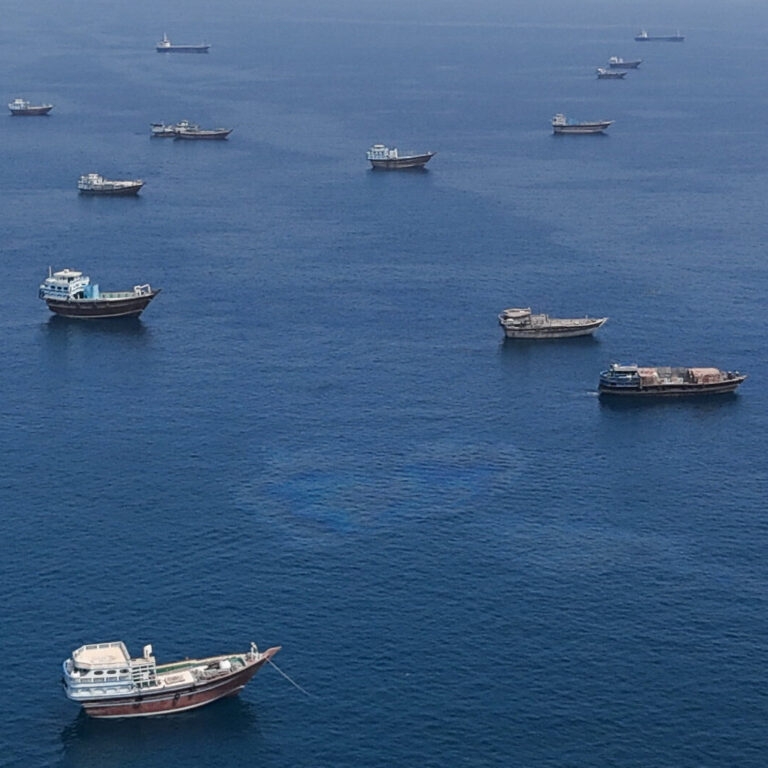
The Strait of Hormuz is recognized globally as one of the world’s most critical maritime passages. Its strategic importance cannot be overstated, as it serves as a primary conduit for a substantial portion of global liquid energy shipments. Any disruption to this narrow waterway sends immediate reverberations through global commodity markets, impacting economies far beyond the region. Therefore, any operational calculus concerning U.S. assets deployed nearby must weigh this global economic criticality at its core.
What This Means for Regional Stability
This conceptual shift in operational focus has significant implications for the geopolitical landscape. By emphasizing the protection of shipping lanes, the stated goal appears to be one of maintaining freedom of navigation rather than conducting sustained conflict ashore. This operational framing suggests a commitment to maintaining maritime stability, acting as a visible deterrent against any attempt to destabilize international commerce through regional conflict. Such a posture requires a different type of military readiness—one geared toward rapid response to maritime threats, such as seizures, diversions, or hostile engagements at sea.
Historical Context and Deterrence
The region’s history is marked by periods of intense international tension and maritime contestation. The need for a constant, visible deterrent remains a defining feature of U.S. policy in the Gulf. By explicitly redefining the mission away from internal combat to maritime escort and protection, the strategic communication aims to narrow the operational boundaries of potential conflict while maintaining a powerful, undeniable projection of military capability. This reframing helps clarify to regional actors that the primary enforcement mechanism is focused on maintaining established international shipping routes, regardless of localized political flare-ups.
Conclusion: A Maritime Security Mandate
Ultimately, the commentary suggests a clear operational pivot: the immediate, visible operational tempo is shifting from theater-level combat operations to specialized maritime security patrols. This reframing underscores the global importance placed on keeping vital global supply chains open, positioning naval readiness and adherence to international maritime law as the paramount mission objective for deployed assets in the area.
About the Author