Evolving US Posture in the Middle East and Global Economic Outlook
Recent developments concerning the Middle East suggest a period of reassessment for United States strategic planning. Reports indicate that high-level discussions around significant military or economic initiatives in the region are undergoing modifications. These shifts in operational strategy suggest that current policy frameworks are being recalibrated in response to evolving geopolitical realities and the complexities of regional diplomacy.
Furthermore, commentary from key political figures suggests a potential drawdown or pause in aggressive engagement in certain theaters. This signals a possible pivot towards de-escalation or a focus on diplomatic resolutions, moving away from previously projected, high-intensity interventions. The underlying message appears to be one of adaptation to changing international dynamics rather than a commitment to sustained, escalating conflict.
What This Means: Analyzing the Strategic Shift
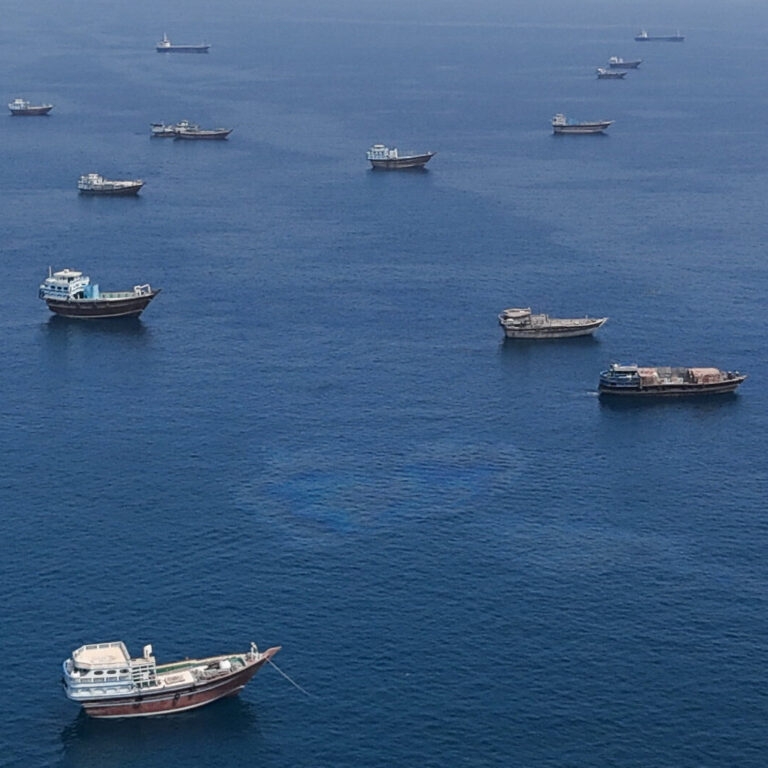
The adjustments in declared US approaches to key maritime chokepoints and regional conflicts carry significant implications for international stability. When major powers adjust their stance in flashpoints like the Strait of Hormuz, it immediately affects global shipping lanes and energy pricing mechanisms. Such adjustments necessitate a rapid recalibration from global markets, impacting everything from insurance rates to commodity futures.
The confluence of these shifting military signals with domestic economic commentary points to a wider theme: a prioritization of stabilization over confrontation. Policymakers appear to be weighing the costs of continued regional involvement against the potential economic benefits of achieving a more predictable, albeit negotiated, status quo.
Domestic and Economic Considerations
Beyond the international hotspot, economic analysis suggests that global labor markets and national economies are feeling the periphery effects of heightened geopolitical tension. Officials have cautioned that regional instability could translate into tangible domestic economic setbacks, particularly impacting employment sectors.
However, even amid international volatility, some domestic indicators suggest resilience. Commentary regarding national economies points toward underlying positive trajectories, citing signs of improvement in labor market figures and expectations of easing financial conditions, such as anticipated reductions in benchmark interest rates later in the fiscal cycle. These factors suggest that while global tensions remain a risk, underlying economic indicators may be showing signs of gradual stabilization.
Context of Global Rebalancing
Historically, periods of intense geopolitical uncertainty often lead to a reassessment of established trade routes and energy dependencies. The constant adjustments in military planning are reflections of this broader global trend: a move toward more localized, manageable, and negotiated solutions rather than sweeping, large-scale interventions. This overall pattern suggests that future policy will be characterized by careful diplomatic maneuvering rather than decisive military action in volatile areas.
About the Author