Legal Battle Erupts as President Challenges Findings Related to Alleged Misconduct
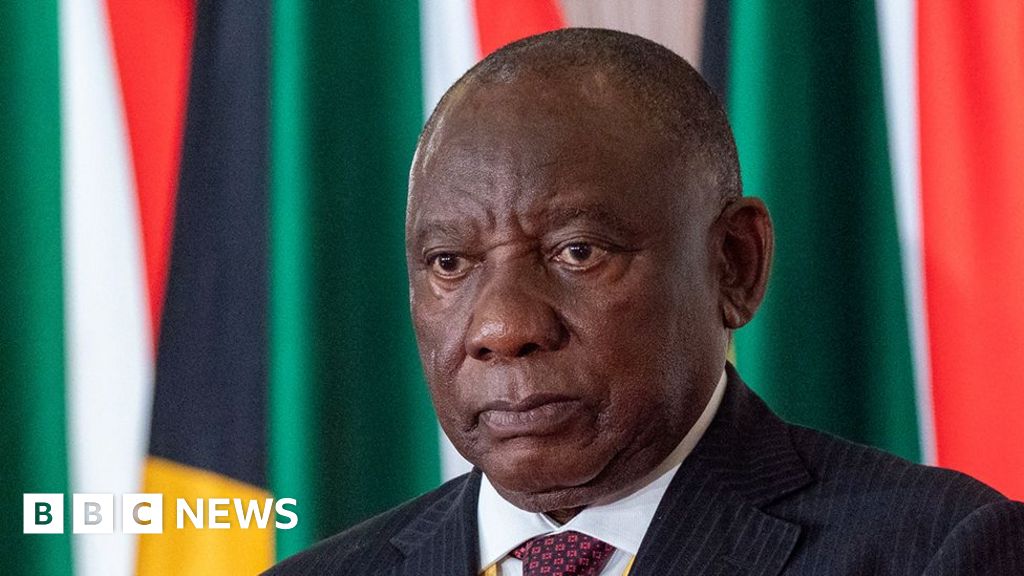
The political turmoil surrounding allegations of misconduct against the South African presidency has escalated into a direct legal confrontation. President Cyril Ramaphosa has initiated a major legal challenge, arguing in the High Court that a parliamentary-commissioned report—which has fueled calls for his removal—is fundamentally flawed in its scope and conclusions. The central dispute revolves around whether the parliamentary inquiry process itself was properly authorized and conducted, effectively aiming to derail any potential impeachment proceedings.
This legal action follows a history of institutional wrangling. Earlier this year, the Constitutional Court had ruled on a separate matter, deeming a previous parliamentary vote concerning an impeachment inquiry unconstitutional. The current legal challenge builds upon this foundation of procedural dispute, allowing the President to argue that the investigative panel has fundamentally misunderstood its mandate and misinterpreted the serious charges brought against him.
The controversy, widely known by the media as the ‘Farmgate’ affair, originated years ago concerning a substantial sum of foreign currency allegedly removed from a private farm owned by the President. While the core issue relates to events uncovered during an independent panel review, the current legal battle focuses heavily on the legality and basis of the subsequent political mechanisms designed to address the findings.
What This Means: Implications for Governance
If the court rules in favor of the President, the immediate effect would be the nullification of the parliamentary committee’s findings and the halting of any impeachment consideration based on this specific report. This outcome would significantly dampen the momentum of the political effort to remove him from office. Conversely, if the court allows the report to stand, it reinforces the parliamentary body’s ability to pursue governance accountability measures through constitutional means, regardless of the political calculus of the time.
The differing political landscapes further deepen the stakes. Previously, the ruling party enjoyed a clear parliamentary majority, lending weight to such inquiries. However, since the most recent general election, the governing structure has shifted to a coalition arrangement, adding a layer of complex political maneuvering to an already high-stakes constitutional dispute.
Context of the Dispute
The matter first came to light after an independent investigation determined that the President may have acted in a manner suggesting a breach of his office commitments. The findings pointed to a case warranting a formal inquiry. The establishment of a specialized committee by the Speaker of Parliament, composed of members from numerous political factions, has moved the process forward to a stage where they must determine if grounds for formal impeachment exist. The entire saga remains a significant test of South Africa’s constitutional checks and balances, playing out against a backdrop of shifting political power.
About the Author