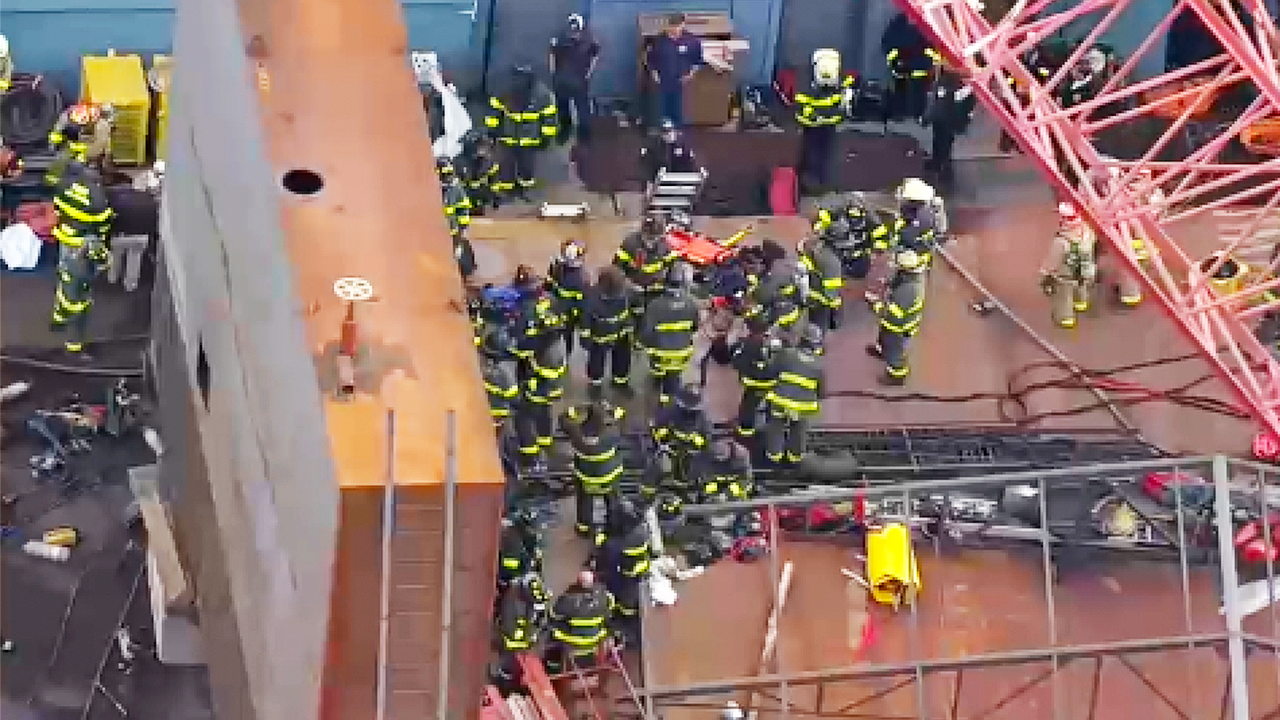
Multiple Injuries Reported Following Major Blast at Staten Island Industrial Site
A significant industrial explosion occurred at a shipyard in Staten Island on a Friday afternoon, resulting in numerous injuries among emergency personnel. Official reports confirm that at least sixteen individuals required medical attention following the blast. The incident prompted a substantial emergency response from the Fire Department, drawing many units and personnel to the area to manage the resulting fire and debris.
The scope of the emergency was considerable, necessitating a large-scale mobilization of city resources. Multiple fire units and emergency medical services personnel were deployed to the scene as first responders arrived to deal with the unfolding crisis. The aftermath of the detonation required sustained effort from first responders who managed the scene following the initial blast and subsequent fire.
What This Means: The Impact on Emergency Services
This event underscores the inherent risks faced by first responders when responding to large-scale industrial incidents. The high number of injured firefighters and EMS workers suggests that the explosion presented unpredictable and dangerous conditions. Such incidents highlight the necessity for rigorous safety protocols and the need for rapid, coordinated emergency action when vital infrastructure is compromised.
The deployment of dozens of fire units and a large contingent of medical workers points to the gravity of the emergency. Managing the immediate aftermath, treating casualties, and containing the fire simultaneously demands immense logistical coordination, placing significant strain on local emergency response capabilities.
Background and Context: The Timeline of Events
Authorities responded to initial reports concerning workers who were reportedly trapped within a confined area at the location. Upon arrival, fire crews discovered a significant fire burning within the basement of a large metal structure situated at the back of the shipping docks. The situation escalated rapidly, prompting a second alert. Shortly after this escalation, a major blast tore through the industrial complex, overwhelming initial response efforts.
The response to this complex emergency involved an extensive mobilization of municipal resources. The scale of the operation—deploying dozens of emergency vehicles and over two hundred service personnel—reflects the severity of the incident. The management of both the explosive event and the resulting intense fire required a sustained and multifaceted effort from all responding agencies.
About the Author