Geopolitical Stand-off at the Strait of Hormuz: The Conditions for De-escalation
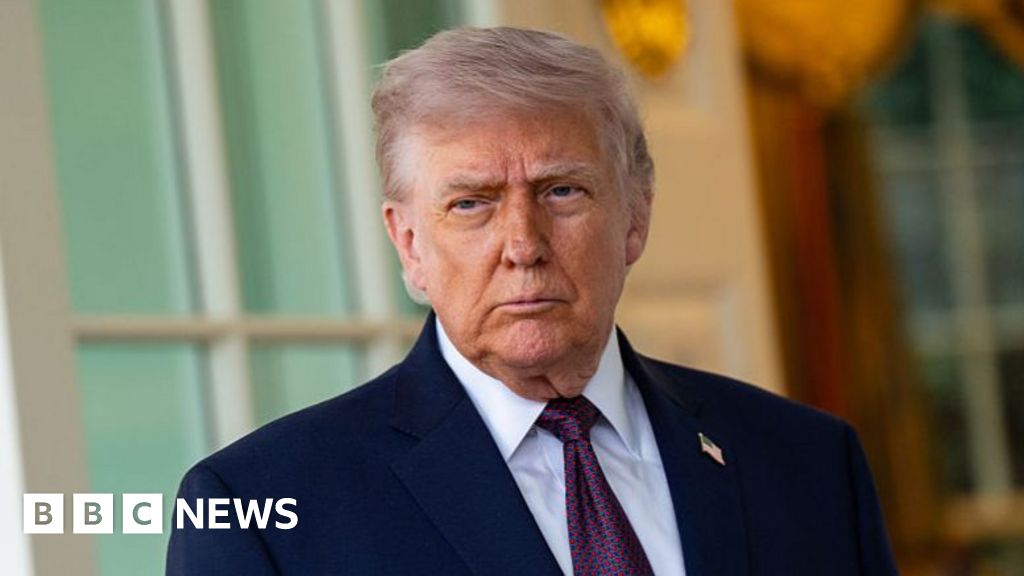
Tensions remain critically high in the Persian Gulf region, with discussions surrounding the lifting of existing blockades centered on the need for a comprehensive political settlement between the United States and Iran. Remarks from a senior US official have made it clear that the American refusal to ease restrictions on Iranian maritime access remains conditional, pending the establishment of a formal agreement with Tehran. This statement signals a high degree of diplomatic firmness, tying the resumption of normal commercial flow directly to a negotiated resolution.
The situation is unfolding against a backdrop of palpable uncertainty regarding future diplomatic engagements. While temporary measures, such as a recent ceasefire arrangement, were expected to conclude shortly, concrete plans for subsequent peace negotiations remain unconfirmed. Preparations are underway in regional hubs, including heightened security measures in one key Pakistani city anticipating high-level discussions. However, the full participation of key diplomatic figures from either side—specifically, a US envoy and confirmation from Iran—is pending, adding layers of indecision to the already fragile situation.
What This Means for Global Trade and Energy
The ongoing disruption in the Strait of Hormuz has immediate and significant ramifications for global commerce, most notably the movement of energy resources. As a primary global transit chokepoint, any sustained closure or restriction dramatically impacts international shipping lanes and energy commodity pricing worldwide. The current standoff underscores that maritime passage through this vital artery is not purely a matter of naval control, but is deeply interwoven with high-level bilateral diplomacy. Any breakthrough in talks has the potential to stabilize energy markets and ease geopolitical pressure on commercial shipping.
Background and Escalation Dynamics
The maritime dispute involves multiple retaliatory actions and countermeasures. US naval assets have been actively engaged in redirecting commercial vessels to change course or return to designated Iranian ports. Furthermore, instances of seizing and confronting vessels—including an Iranian-flagged cargo ship—have occurred, actions that Tehran has condemned as violations of agreements and acts of aggressive interference. Conversely, Iran has maintained its own restrictions on the strait, which has already contributed to substantial volatility in international energy benchmarks. These parallel actions create a cycle of escalation, where each side’s actions are justified by grievances stemming from the other’s perceived breaches of existing understandings.
The discourse suggests a deadlock where one party views the current restrictions as necessary leverage to compel concessions, while the other views the blockade measures as unacceptable infringement on sovereign rights. The eventual resolution, therefore, depends not on military maneuvering, but on a sustained commitment to diplomatic dialogue capable of addressing the core underlying disagreements that have led to this maritime confrontation.
About the Author