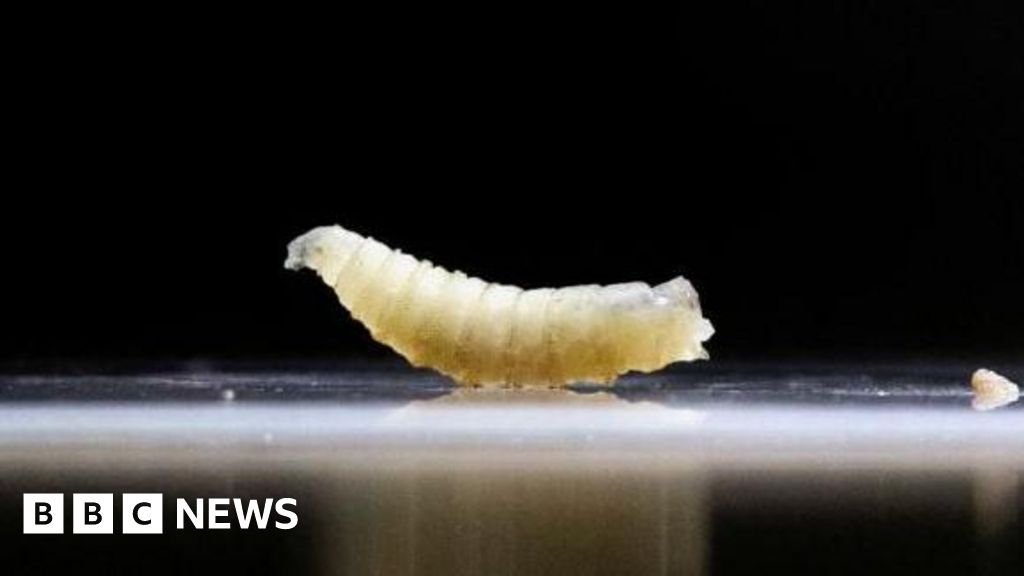
The detection of a parasitic fly, commonly known as the New World Screwworm, within a calf in Texas has prompted agricultural and health agencies to enact a multi-faceted containment strategy. This species poses a significant threat to livestock, particularly the beef industry, despite the immediate risk to humans being assessed as low. The parasitic nature of the insect—where females deposit eggs into open wounds or membranes—results in larvae that tunnel through living tissue, potentially causing fatal infections if left unmanaged.
In response to the first confirmed case in several decades, authorities have immediately established a controlled zone spanning 20 kilometers around the infection site near the southern border. The operational plan involves not only implementing strict movement restrictions and quarantine procedures within this area but also deploying specialized surveillance methods. These efforts are designed to monitor the spread and restrict the movement of the insect, which has historically been transported over long distances primarily through human activity.
Combatting this insect requires a combination of modern biological controls and enhanced detection efforts. Central to the proposed intervention is the use of sterile male flies. This technique involves mass-releasing genetically modified, sterile insects into the wild population. Because these flies are incapable of reproduction, they are expected to render the local population reproductively unviable, effectively suppressing the spread. Complementing this biological approach are the use of trained canine units to detect the presence of the insect at early stages, providing an essential frontline defense.
While the deployment of sterile flies is a proven methodology for population control in other insect pests, current assessments indicate that the available supply of sterile flies is insufficient for an immediate, decisive halt to the burgeoning local population. Therefore, the agencies face the considerable logistical hurdle of rapidly scaling up production, estimating the need for hundreds of millions of sterile specimens weekly to effectively counter the outbreak’s trajectory. This ongoing situation necessitates rigorous coordination between local, federal, and regional health and agricultural departments to manage the crisis proactively.
About the Author