Geopolitical Crossroads: Analyzing the Significance of a High-Level Visit to North Korea
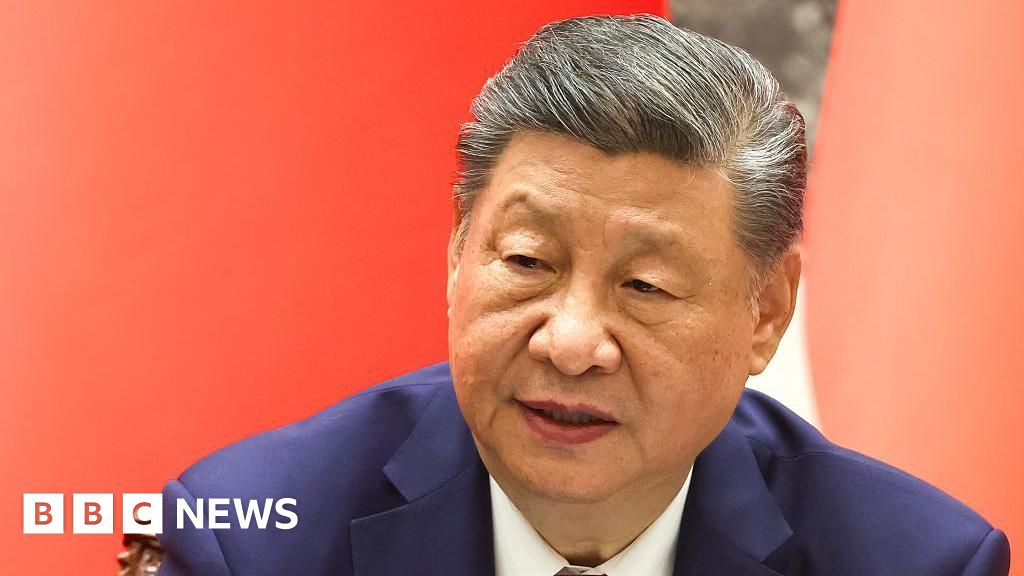
A highly anticipated visit by China’s paramount leader, Xi Jinping, to North Korea signals a significant diplomatic maneuver at a time of complex international dynamics. The scheduled meeting is set against a backdrop of fluctuating global alliances and persistent international scrutiny regarding the DPRK’s activities. For Beijing, the trip underscores the enduring nature of its relationship with Pyongyang, while for Pyongyang, the visit carries substantial diplomatic and economic resonance.
This planned interaction comes shortly after China hosted discussions involving major global powers, highlighting Beijing’s continued role as a key hub for international dialogue. Given that North Korea faces extensive international sanctions due to its nuclear ambitions and other governance concerns, its primary economic lifeline remains deeply intertwined with China. The relationship is further cemented by a longstanding defense arrangement that binds the two nations through mutual defense guarantees.
What This Means: China’s Economic Imperative and Diplomacy
The core focus of the impending visit is widely understood to revolve around maintaining robust economic ties. China stands as the most significant commercial partner for the North Korean regime. It is anticipated that a major component of discussions will center on boosting cross-border trade and facilitating the influx of Chinese tourism. Pyongyang has been visibly focused on promoting its domestic infrastructure, including recreational sites and modernizing its capital, suggesting a strong drive to showcase development achievements to the international community.
Furthermore, the visit takes place when Pyongyang has taken notably hardline stances regarding its neighbors, including officially severing all avenues of communication with South Korea and labeling its citizens as adversaries. This posture suggests a strategic effort to project an image of self-sufficiency and regional strength, independent of external diplomatic pressures.
Background and Context: Navigating Shifting Alliances
Historically, the relationship between Beijing and Pyongyang has been characterized by strategic necessity for both sides. While China maintains deep, historically rooted ties with the regime, Beijing has also been keenly observing the rapidly evolving geopolitical alignments in Northeast Asia. The visible strengthening of ties between North Korea and other regional and global powers suggests that China is carefully balancing its long-standing partnership with its immediate security interests. The continued economic reliance of North Korea on China means that despite any geopolitical divergence, Beijing’s engagement remains crucial for the stability of the border region.
The overarching theme suggested by the visit is the prioritization of transactional diplomacy. For Pyongyang, the opportunity provides a platform to secure necessary resources and diplomatic validation, particularly as it continues to assert its military capabilities. For Beijing, the engagement serves to manage a crucial border relationship while managing the complexities arising from the broader Sino-Russian strategic alignment in the region.
About the Author