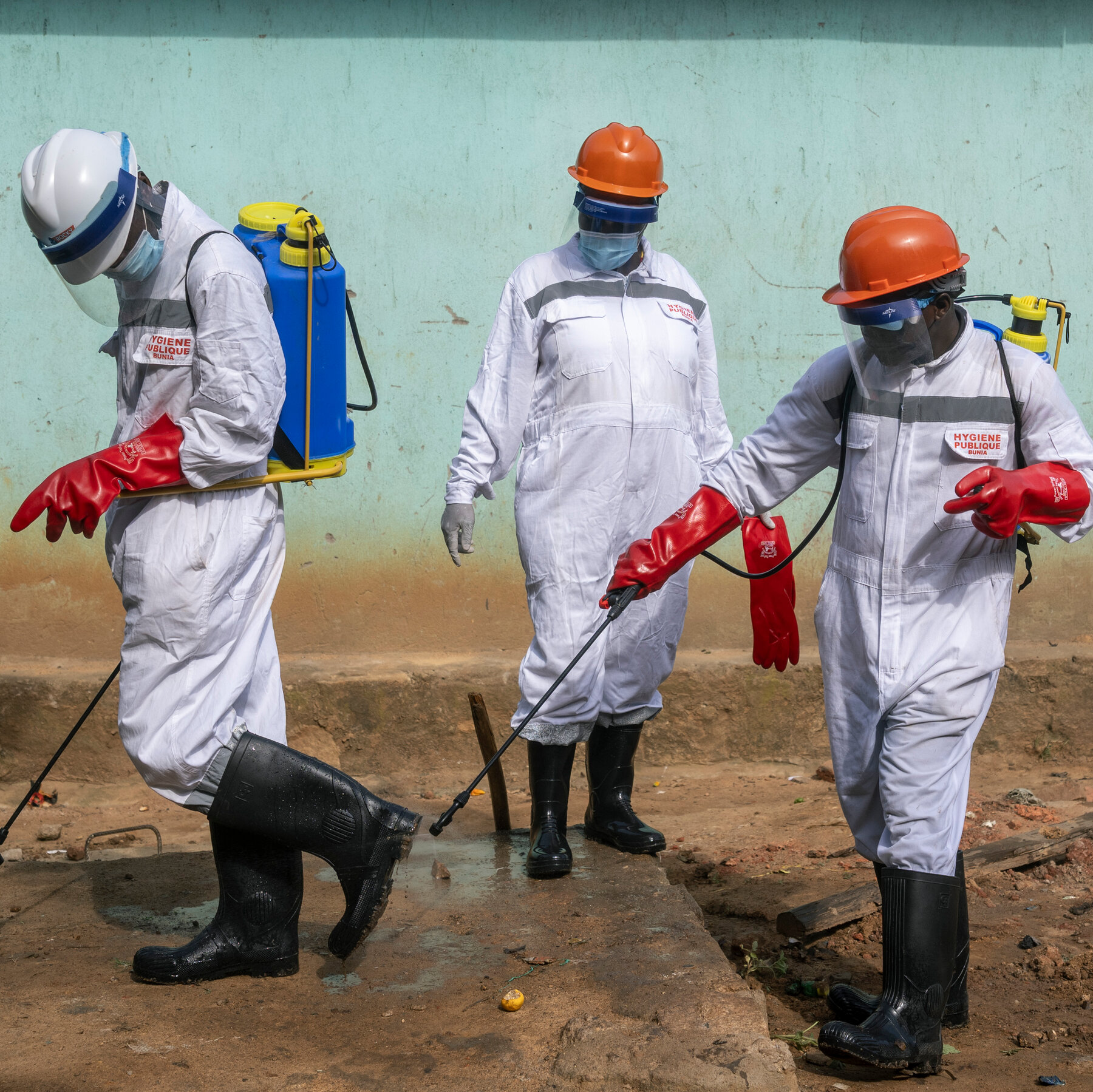
The Imperative of Preparedness: Building Resilience Against Future Pathogens
The recent history of global health has underscored a sobering reality: outbreaks of infectious diseases are not anomalies but inherent risks of our interconnected world. From viral threats to zoonotic spills, the potential for a widespread public health emergency remains a constant concern. Rather than viewing these events as purely unpredictable crises, experts are increasingly advocating for a fundamental shift in global preparedness—one that moves beyond reactive response to proactive, sustained prevention.
Considering past major outbreaks, including hemorrhagic fever threats and viral respiratory diseases, the focus of global health policy has shifted toward building robust, resilient systems. This requires more than just stockpiling medical supplies; it demands deep, coordinated international investment in surveillance, research infrastructure, and equitable access to countermeasures. The goal is to establish a global public health architecture capable of rapidly identifying, containing, and mitigating the spread of novel pathogens before they escalate into devastating pandemics.
Understanding the Necessity of Coordinated Action
The lessons learned from significant disease events confirm that no single nation can secure itself alone. The speed and scale of modern transmission mean that an outbreak in one region can quickly become a global crisis if containment efforts falter. Therefore, the core of modern health security rests on multilateral cooperation. This involves establishing shared protocols for pathogen sharing, joint research initiatives, and mutual support during times of high alert, ensuring that scientific knowledge and resources flow freely across borders when they are most needed.
The Significance of Proactive Investment
The economic and human toll exacted by outbreaks necessitates treating preparedness as critical infrastructure, similar to global communication or transportation networks. Significant investment must be channeled into strengthening local and primary healthcare systems worldwide. These frontline facilities are the first line of defense, capable of early detection and community-level containment. Furthermore, strengthening genomic surveillance—the ability to track viral changes in real-time—is paramount to anticipating mutations and adjusting interventions before a pathogen becomes resistant or significantly more transmissible.
Contextualizing Current Vulnerabilities
The continuum of emerging threats includes both known high-risk vectors and entirely novel agents. Understanding the mechanisms of spillover—how pathogens jump from animal reservoirs into human populations—is crucial for effective intervention. This means that ecological monitoring, understanding wildlife disease dynamics, and improving biosecurity at the human-animal interface must become integrated parts of any national health strategy. By acknowledging that infectious disease risk is deeply interwoven with environmental and social determinants, the global community can build defenses that are comprehensive, enduring, and equitable for all populations.
About the Author




