Escalating Regional Tensions Strain Fragile Ceasefire Agreements
Recent incidents across key maritime and land areas in the Persian Gulf region suggest that carefully maintained periods of reduced tension are becoming increasingly precarious. The emergence of drone and missile activity in nations like the UAE and Oman has signaled a potential breakdown in the atmosphere of calm that followed earlier agreements. These localized escalations are drawing international focus as they hint at a broader resurgence of geopolitical friction.
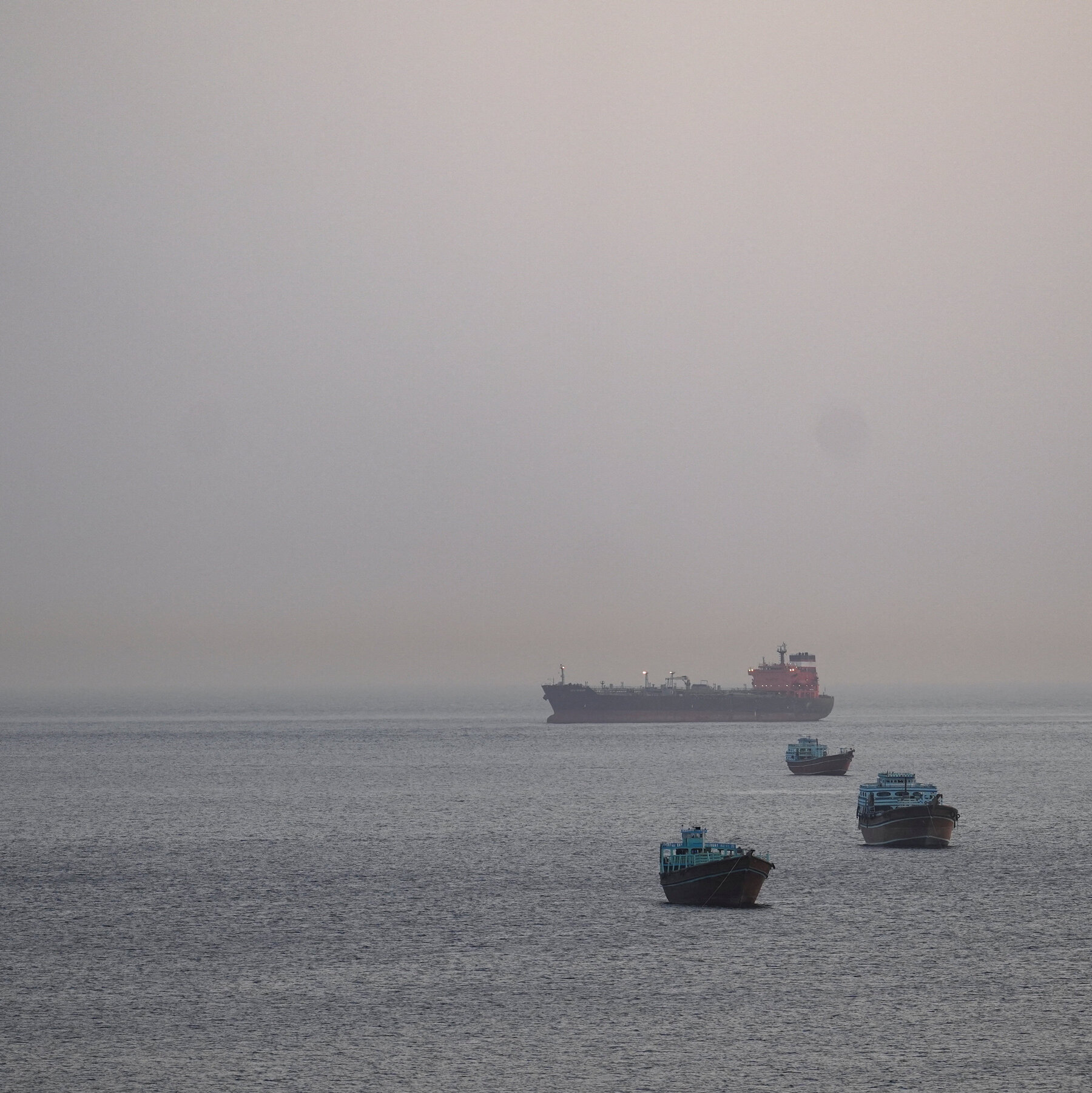
A notable area of concern involves the maritime passages, particularly the critical Strait of Hormuz. Reports indicate instances of direct confrontation between vessels associated with American and Iranian interests in the waterway. Such reported clashes inject a high degree of instability into global energy shipping routes, raising questions about the sustainability of any current de-escalation measures that were put in place just weeks prior.
Significance for Regional Stability
The recurrence of sophisticated military actions, including unmanned aerial systems and missile deployments, suggests that key regional actors are actively testing the boundaries of any current understandings or truces. The combination of terrestrial tensions in Gulf Cooperation Council (GCC) states and naval standoffs at vital choke points indicates a dangerous pattern of operational instability. If these localized disputes cannot be managed through diplomatic backchannels, the potential for a wider escalation that impacts global trade and energy markets remains a primary concern for international observers.
Geopolitical Context of the Flashpoints
The Middle East has long been characterized by complex power dynamics, and any period of apparent peace is often viewed through the lens of underlying strategic rivalries. The focus on multiple, geographically dispersed flashpoints—from specific port areas to major international shipping lanes—implies that the underlying competition between regional powers has not been resolved. Instead, it appears to be manifesting through targeted, high-stakes military posturing.
Implications for Global Trade and Diplomacy
For global commerce, the primary implication is heightened risk management. The Strait of Hormuz alone is a crucial artery for oil and gas transport; therefore, any sustained instability in that area directly influences global commodity pricing and the stability of international supply chains. Diplomatically, these events underscore the fragility of confidence-building measures. They suggest that while dialogue might exist, the commitment to de-escalation on the ground remains tenuous, necessitating constant vigilance from international mediating parties to prevent misunderstandings from spiraling into larger confrontations.
About the Author




