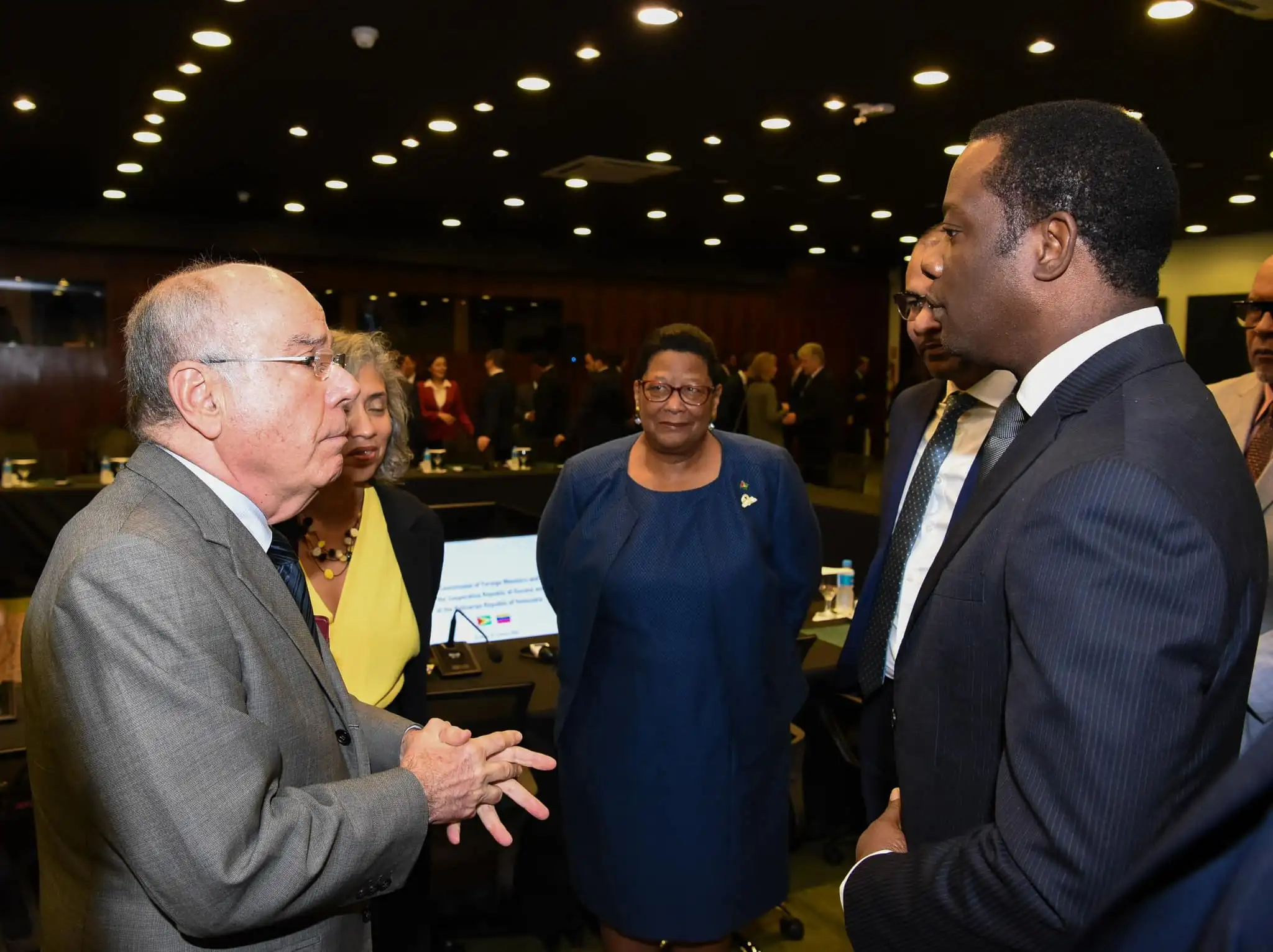
The International Court of Justice (ICJ) has commenced the substantive oral hearings concerning the long-running territorial disagreement between Guyana and Venezuela. The proceedings at The Hague mark a pivotal stage in resolving the dispute over the vast, resource-rich Essequibo region. Guyana opened its initial arguments before the international judicial body, framing the matter as a critical test of international legal adherence and regional stability.
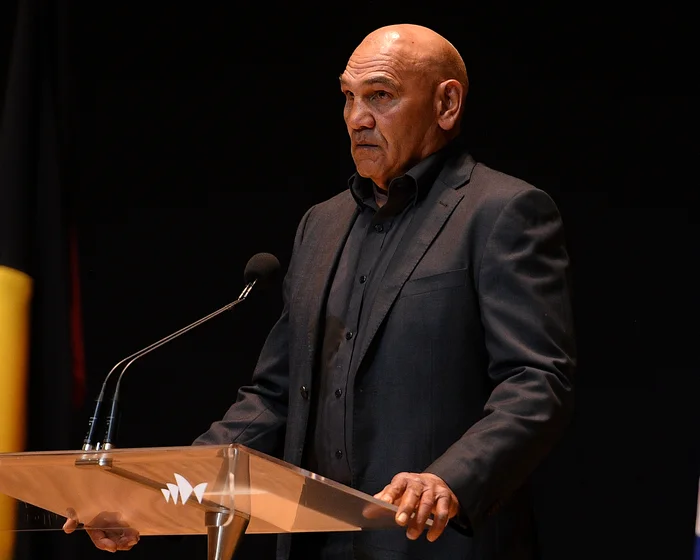
During the opening presentations, Guyanese officials paid homage to key figures who have guided the nation through decades of advocacy. These tributes highlighted the contributions of eminent legal scholars and diplomats instrumental in maintaining the country’s stance on its sovereignty. The focus of the presentation was to establish the legal legitimacy of the boundary lines established in the late 19th and early 20th centuries.
Guyana’s core legal submission rests on the principle that the 1899 Arbitral Award remains the definitive and legally binding marker for the national border. The country asserted that Venezuela’s objections, which surfaced much later than when the boundary was initially accepted into law and practice, are legally untenable under international jurisprudence. Furthermore, the arguments pointed to sustained, overt challenges from Venezuela that have negatively impacted regional peace and discouraged necessary economic development and investment.
The significance of these hearings cannot be overstated, as the ICJ has already affirmed its jurisdiction over the case. While the initial days focused on establishing the historical record and the validity of the demarcation awards, subsequent sessions will address Venezuela’s direct challenges to the court’s authority. The proceedings underscore Guyana’s commitment to upholding its borders based strictly on established international law, while also urging Venezuela to acknowledge the binding nature of prior agreements.
About the Author