Taiwan’s Diplomatic Outreach to Eswatini Amid Geopolitical Tensions
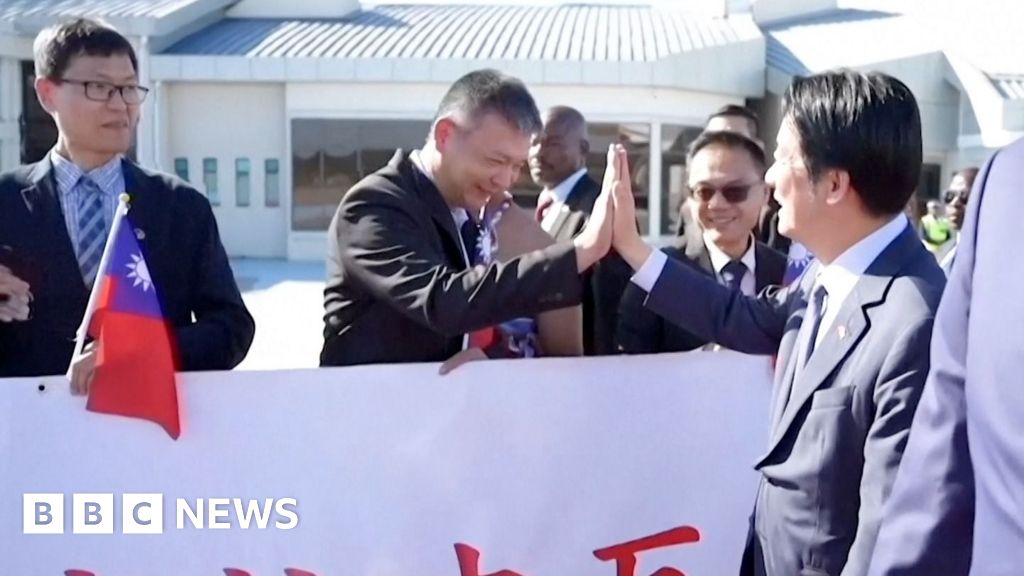
The recent trip by Taiwan’s President Lai Ching-te to Eswatini has drawn considerable international attention, signaling continued efforts by Taiwan to maintain and strengthen its international partnerships. The visit, which was not formally announced through traditional government channels, followed a period of controversy where the original itinerary faced disruptions. The initial plans for the visit had been linked to commemorating a significant anniversary in Eswatini, but the journey encountered unexpected hurdles regarding necessary international transit rights.
The diplomatic maneuvers surrounding the trip highlight the persistent international disagreements concerning Taiwan’s political status. Mainland China has consistently asserted its claim over Taiwan, viewing any official engagement with it as illegitimate. This backdrop of dispute influences the discourse surrounding the movement of Taiwanese officials abroad, leading to sharp condemnations from Beijing regarding the nature of the visit. Meanwhile, allies in the region and the United States have offered statements framing the diplomatic engagements as standard practice for democracies seeking to solidify global ties.
Implications for Taiwan’s Global Stature
This high-profile diplomatic visit underscores Taiwan’s commitment to its international standing, especially within regions where direct state-level relations are complicated by external pressures. For Eswatini, the relationship with Taiwan remains a key component of its diplomatic portfolio in Africa. By proceeding with the visit, despite the logistical difficulties, Taiwan reinforces its narrative of resilience, suggesting that external geopolitical challenges will not derail its engagement with its recognized partners.
The emphasis placed by the President on standing firm against various forms of pressure suggests that international support remains vital to the administration’s strategy. Official statements from allied nations have characterized such movements as routine engagements undertaken by democratically elected leaders to cultivate beneficial relationships that benefit the citizens of all involved countries, including Eswatini.
Geopolitical Context and Diplomatic Maneuvering
The incident surrounding the canceled or redirected travel components points to the fluid and highly sensitive nature of modern diplomacy. When airspace permissions are unilaterally withdrawn by certain jurisdictions—citing political pressures—it immediately complicates the ability of visiting dignitaries to travel as planned. Such events force leaders to demonstrate adaptability and resourcefulness in executing their foreign policy objectives.
Overall, the episode serves as a real-time illustration of how Taiwan navigates a complex international environment. While geopolitical rivals attempt to restrict its visibility and state interactions, the outreach to long-standing diplomatic allies continues, solidifying a network of support that views Taiwan as a valuable and capable partner on the world stage.
About the Author