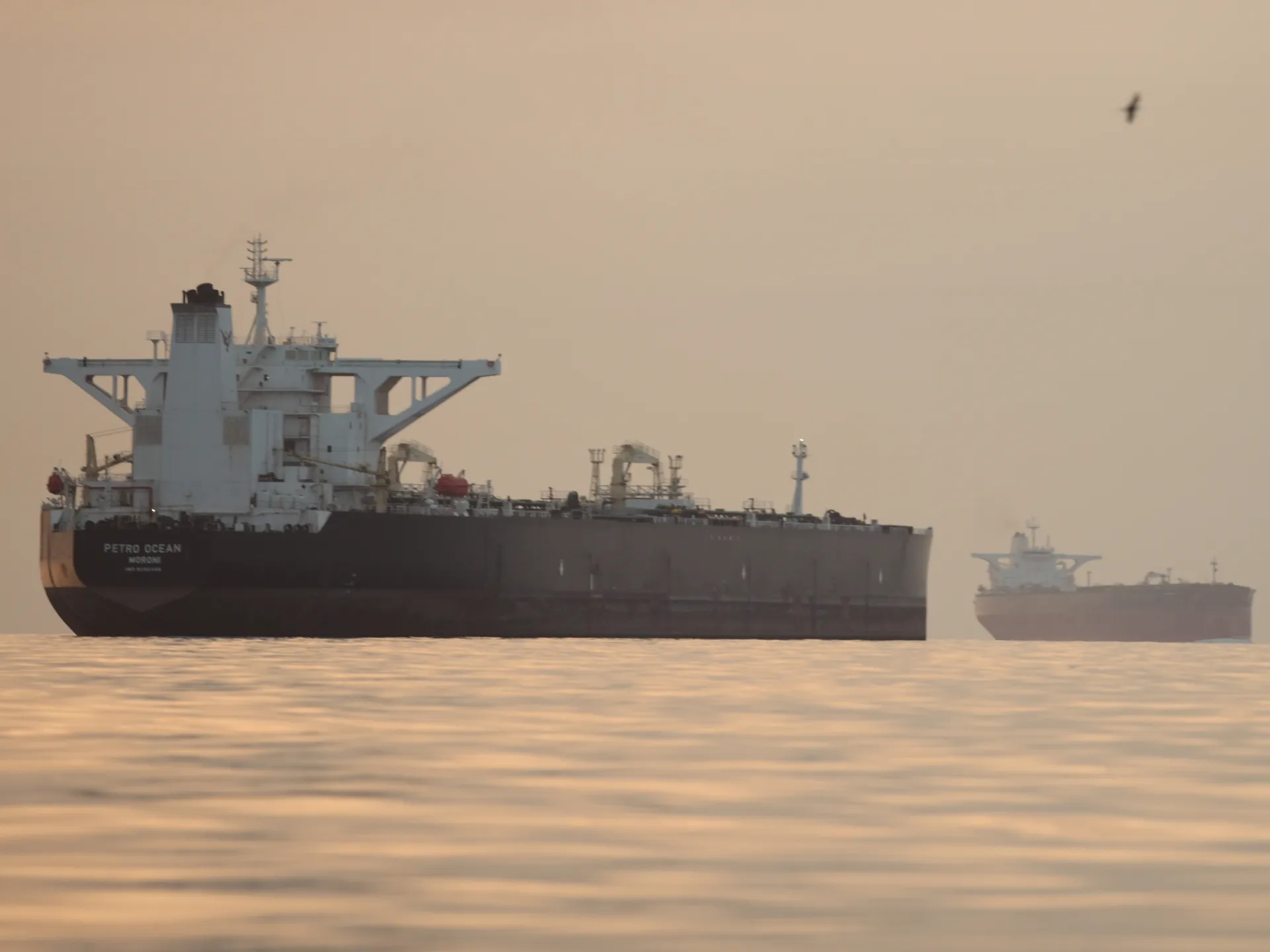
Tensions Flare in Hormuz as US Proposed Operation Sparks Iranian Warning
Concerns over maritime stability in the Strait of Hormuz have escalated following statements suggesting a major U.S. military operation aimed at guiding distressed commercial vessels through the critical waterway. The announcement of what is termed ‘Project Freedom’ implies a significant American commitment to regional maritime security, specifically targeting ships reportedly stalled or stranded within the strategic chokepoint. This suggestion of external intervention has prompted an immediate and forceful counter-warning from Iranian military authorities.
Iranian sources have issued stern warnings, explicitly advising the U.S. Navy and other foreign armed forces to remain outside the confines of the Strait of Hormuz. The message conveyed by the Iranian command is one of high alert: any military presence from foreign powers, particularly the United States, attempting to enter the strait will be met with a forceful military response. Furthermore, the nation has directed commercial shipping and oil tankers to coordinate their movements only through established channels that align with Iranian authority.
The operational dimensions of the dispute are significant, as the Strait of Hormuz is a vital global artery for the transport of oil and other commodities. The proposed U.S. involvement signals a potential escalation of tensions in an already sensitive geopolitical region. While Washington has outlined substantial military support, including personnel, advanced air assets, and naval vessels, the Iranian response frames such an intervention not merely as a security measure, but as a definitive breach of current understandings and a direct challenge to regional control.
What This Means: Geopolitical Friction at a Global Choke Point
The primary implication of this standoff is the heightened risk of direct military confrontation over commercial navigation rights. The Strait of Hormuz is one of the world’s most crucial maritime passages, making any disruption immediately relevant to global energy markets and international trade. The differing viewpoints—one advocating for intervention to restore ‘normal’ passage, the other asserting absolute local control—create a volatile equation. The disagreement centers on who has the ultimate authority to manage and guarantee safe passage through this economically indispensable, yet politically fraught, waterway.
Background and Context: Sovereignty and Passage Rights
The tensions tap into a long-standing debate over maritime sovereignty versus the principle of international freedom of navigation. For many global economies, ensuring unimpeded passage through the Strait is paramount to stability. However, regional powers view control over such vital infrastructure as central to national security and geopolitical influence. The Iranian stance reinforces a narrative of local governance over international passage rights, suggesting that any external management effort would undermine established regional authority. The situation thus highlights a clash between global commercial necessity and entrenched regional power assertions.
About the Author




