The Appeal of Athletic Drama in Modern Romance
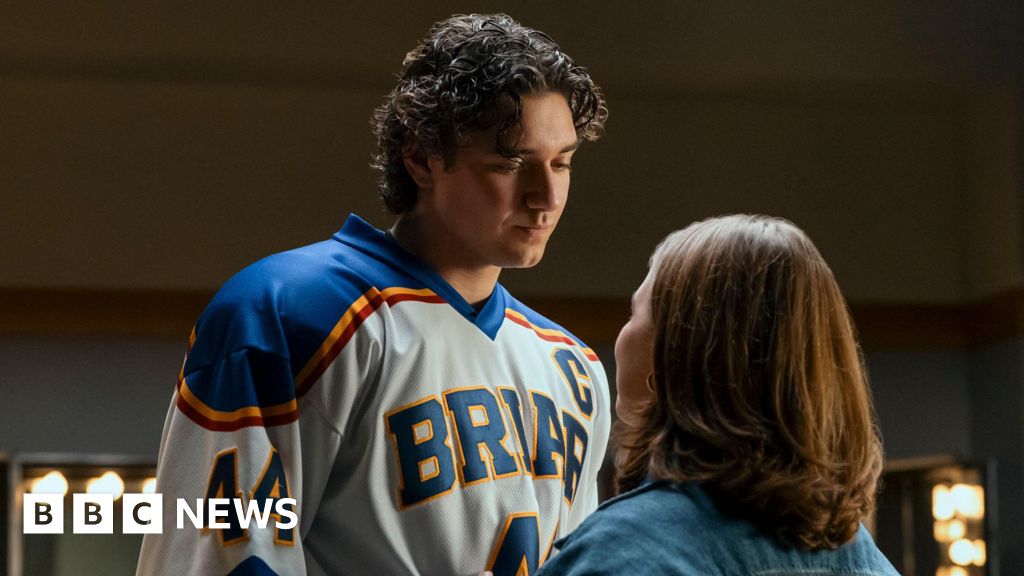
Commercially and critically, the genre of sports-tinged romance continues to exhibit remarkable staying power. Following the success of recent dramatic adaptations focusing on competitive ice hockey, audiences appear deeply invested in narratives where intense athleticism intersects with powerful personal relationships. This continued popularity suggests that the inherent dramatic elements of professional sports—the high stakes, the visible emotional labor, and the physical intensity—translate seamlessly into compelling fictional romance.
New adaptations are capitalizing on this established fan base, proving that the combination of elite athleticism and passionate melodrama remains a potent recipe for streaming success. These productions tend to shift the focus beyond simple star power, instead emphasizing character depth. Viewers are drawn to stories that manage to depict the grit of competition alongside nuanced emotional journeys, making the athletic backdrop feel integral to the characters’ development rather than merely decorative.
What This Means for Genre Fiction
The sustained interest in these types of storylines points toward a broader appetite within the genre for realism mixed with heightened emotion. The narratives are succeeding because they elevate the sport itself, portraying the rigor and strategic nature of the game. Rather than relying on outdated stereotypes, contemporary adaptations are taking pains to present more complex portraits of the athletes and the supportive community around them.
Contextualizing the Appeal of Hockey Narratives
The appeal of hockey, and the associated drama, can be understood by examining the unique characteristics of the sport itself. The nature of the game often involves tense, low-scoring contests where every minute carries immense weight. These narrow margins naturally generate narratives of high pressure and heightened consequence, which are perfect ingredients for dramatic television. Furthermore, the focus is often placed on institutional settings, such as university sports, allowing for rich explorations of life transitions and formative relationships.
Crucially, successful modern tellings are working to build credibility by addressing prevailing criticisms associated with the genre. By introducing elements that showcase the sport’s genuine physical demands and by actively challenging superficial interpretations of fandom, the narratives are building a more respectful and emotionally intelligent framework for their fictional worlds. This suggests a maturing of the audience, demanding substance alongside the sparks of romance.
About the Author