Video Evidence Challenges Narrative Surrounding Henry Nowak Case
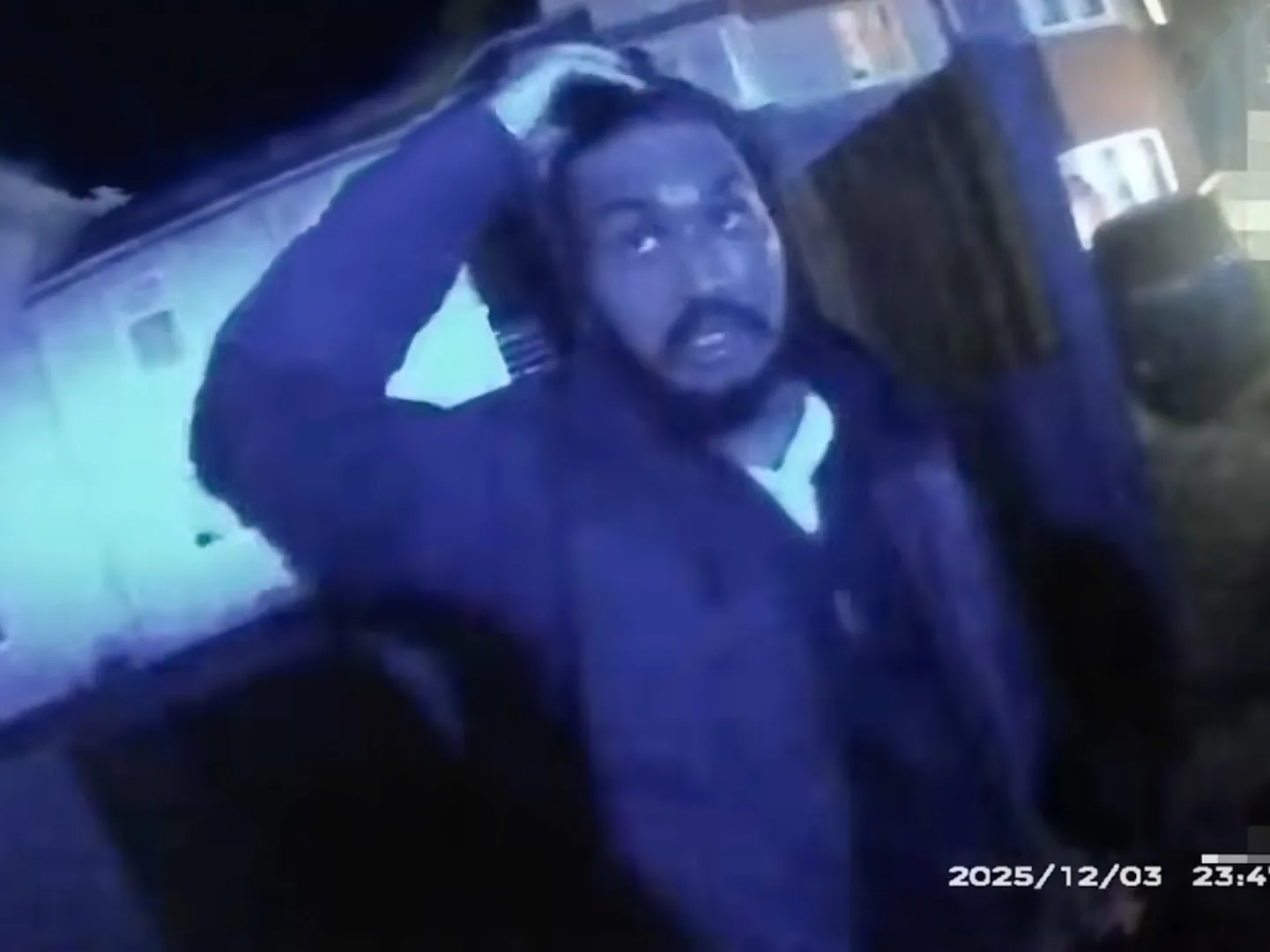
Recent video footage has brought to light significant discrepancies in the accounts provided regarding the murder of Henry Nowak. The emergence of this visual evidence suggests that the initial understanding of the events, and potentially the subsequent investigative procedures, contained multiple inaccuracies. The material appears to directly contradict statements made by individuals involved in the case, casting doubt on the reliability of the narrative that led to the victim’s arrest.
The case surrounding Henry Nowak’s death has already become a focal point of intense public scrutiny in the United Kingdom. The circumstances of the murder, coupled with the handling of the investigation by law enforcement, have fueled widespread public discontent. This discontent has manifested in significant civil unrest and widespread accusations concerning the fairness and consistency of policing practices across the nation.
What This Means: Re-evaluating the Investigation
The implications of the newly surfaced video are substantial, suggesting a need for a comprehensive re-examination of the entire investigative timeline. If the video accurately portrays the events, it challenges the foundational premises upon which the initial police actions were built. This forces a critical look not only at the perpetrator’s actions but also at the procedural steps taken by authorities. The public discourse has already highlighted concerns about perceived disparities in how law enforcement treats different segments of the population, and this new evidence adds significant weight to those existing critiques.
Background and Context: Public Trust in Policing
The controversy surrounding the Nowak case did not occur in a vacuum. It tapped into pre-existing societal anxieties regarding institutional accountability. When high-profile cases involving violence and police response intersect, public trust can erode rapidly. The initial fallout from the murder and the subsequent police response led to visible demonstrations and widespread questioning of the justice system’s impartiality. The focus has consistently remained on whether the investigation was thorough, unbiased, and if the actions taken reflected the highest standards of police conduct.
The introduction of verifiable video evidence at this stage elevates the discussion from mere procedural critique to one of factual correction. It suggests that the narrative presented to the public and to the courts may have been incomplete or, at the very least, misleading. For the authorities, this presents a significant challenge to their credibility, demanding transparency and a willingness to adjust their understanding based on objective visual proof.
About the Author