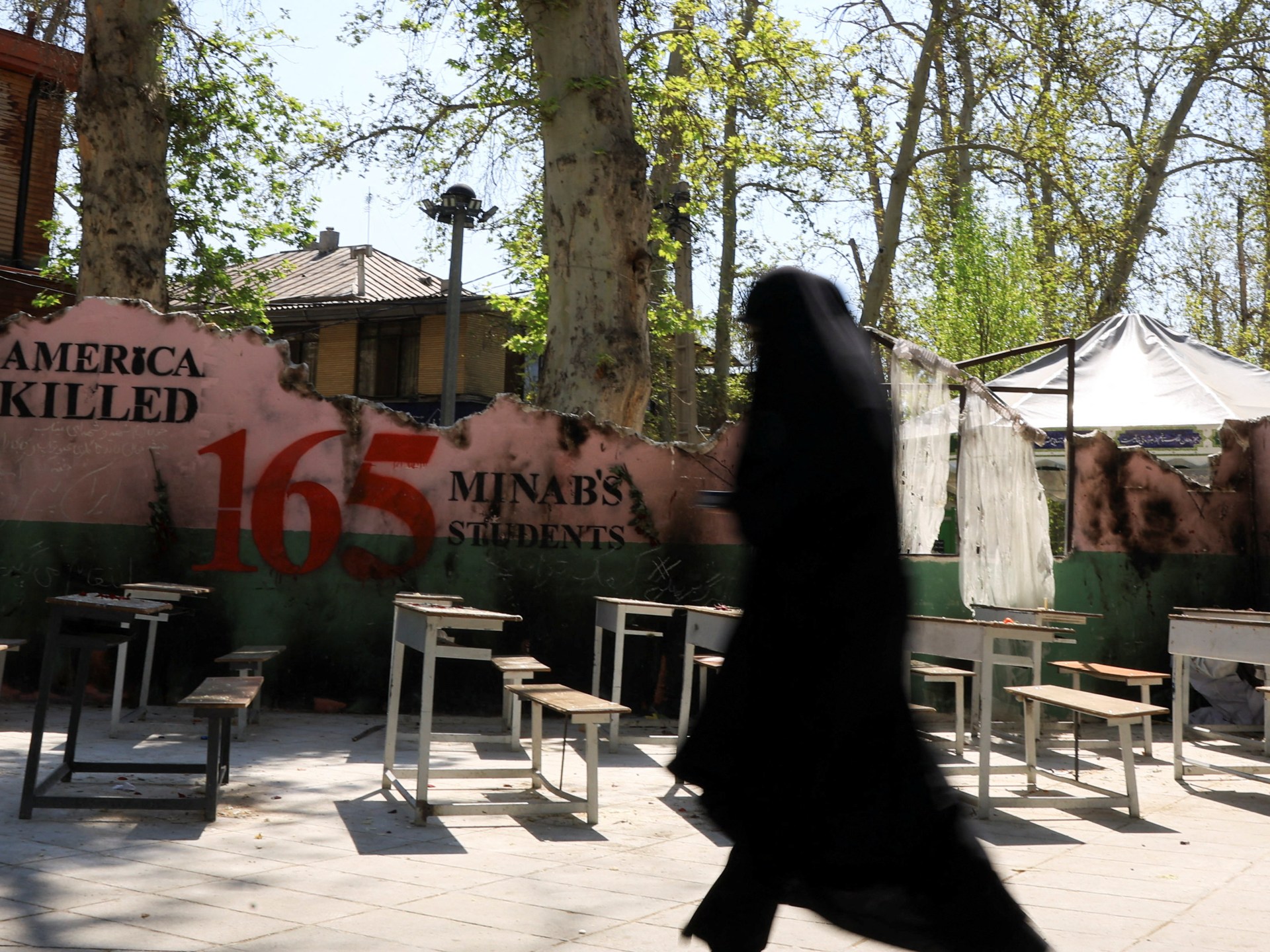
Since the U.S. declared war in late February 2026, three political clocks have been ticking at vastly different speeds. President Trump, back in office in January 2025, pursued a hard‑line strategy that promised a rapid collapse of Iranian leadership within 60 days. That objective never materialised, leaving Washington trapped in a prolonged war of attrition that has driven oil prices above $90 a barrel, spiked inflation, and eroded Trump’s approval ratings ahead of the mid‑term elections.
Meanwhile, Iran has adopted a survival strategy that relies on endurance. Despite devastating strikes on its leadership and infrastructure, the regime’s vast territory, dispersed forces, and regional allies have allowed it to absorb losses and continue resisting. Economists argue that a swift, decisive strike would never have sufficed to dismantle Iran’s deterrent capability.
Israel’s Prime Minister Benjamin Netanyahu, backed by Mossad intelligence, also seeks an indefinite conflict, hoping to outlast U.S. domestic concerns while leveraging the strategic chokehold Iran holds over the Strait of Hormuz. The convergence of these three divergent timelines creates a stalemate in which time is on Iran’s side, while the U.S. faces mounting political and economic pressure as the war drags on.
About the Author