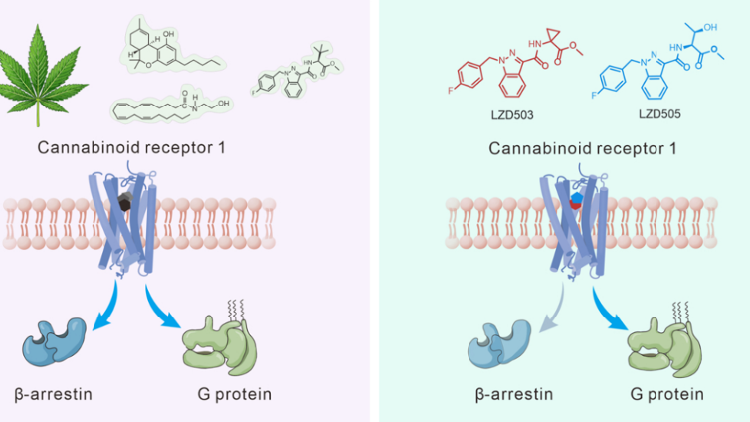
Chinese scientists at Zhejiang University have pioneered a new class of small‑molecule drugs that deliver powerful pain relief while sidestepping the addiction, tolerance and cognitive side‑effects that plague conventional cannabinoid therapies. By meticulously designing compounds that selectively activate the Gi/o pathway of the CB1 receptor, the team has achieved a “biased signaling” profile that preserves analgesic benefits and avoids the β‑arrestin‑mediated drawbacks associated with typical cannabinoid agonists.
Research published in the journal Cell details how the researchers leveraged structure‑activity relationships to target the brain’s amygdala and thalamus—key regions governing emotional balance and pain thresholds. The new molecules not only reduce pain in multiple animal models but also maintain normal motor function and body temperature, a promising sign that central nervous system complications will be minimized.
Early animal studies showed no evidence of addictive behavior or loss of efficacy over time, underscoring the potential of these drugs as safer, non‑opioid alternatives for chronic pain sufferers worldwide. Professor Li Xiaoming, the project lead, highlighted the focus on translating basic mechanistic insights into clinically relevant therapies, with ongoing optimization and pre‑clinical validation in preparation for future human trials.
About the Author