Devastation at the Liushenyu Mine Highlights Deep Concerns Over Industrial Safety
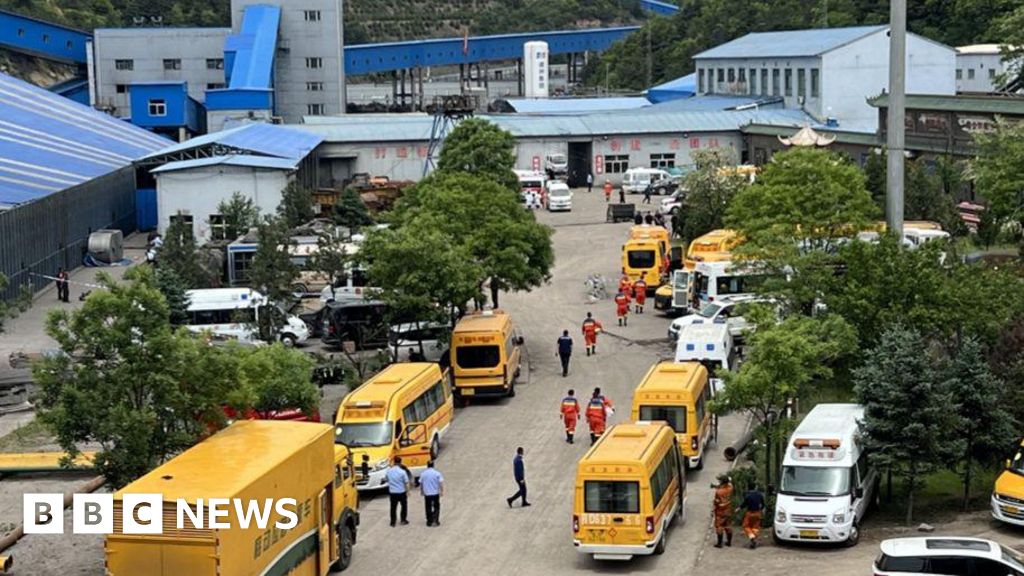
A catastrophic gas explosion rocked the Liushenyu Coal Mine in Shanxi province, resulting in a significant loss of life and underscoring critical systemic failures within the mining sector. State media reports confirm that at least 90 individuals were killed in the incident, marking what authorities describe as the most severe mining disaster in China since 2009. When the blast occurred, the mine housed a substantial workforce, prompting a massive mobilization effort involving hundreds of rescue personnel and specialized teams.
The immediate aftermath saw rescue efforts struggling against difficult conditions, including flooding near the blast epicenter, which hampered access to crucial areas. Compounding the challenges, discrepancies were noted between the mine’s official layout plans and the actual subterranean conditions. Despite the visible scale of the tragedy, efforts were immediately directed toward both recovery and ensuring prompt medical attention for the many injured who were taken to local facilities.
Significance and Safety Oversight
The scale of the casualties and the severity of the event have prompted top-level directives regarding accountability and systemic reform. Official statements indicate that a comprehensive and rigorous investigation is being launched to determine the exact cause and assign responsibility. Furthermore, any parties found accountable are subject to severe punitive action. The incident comes amid heightened scrutiny, as this specific mine had been previously designated by national safety bodies as possessing several ‘severe safety hazards’ risks earlier in 2024, raising questions about the efficacy of existing preventative measures.
Survivors who recounted their experiences spoke of sudden, overwhelming plumes of smoke and the immediate scent of sulfur, symptoms leading to disorientation and collapse from toxic fumes. While immediate updates suggest that many injuries were related to inhaling hazardous gases—though the precise composition remains unclear—the underlying risk posed by high concentrations of gases like carbon monoxide, reported to have exceeded established safety thresholds, remains a central focus of the investigation.
Contextual Review of Industrial Risks
This disaster brings the persistent challenge of industrial safety in subterranean environments into sharp focus. Mining operations inherently involve risks from volatile gas buildup, structural instability, and operational oversight. The situation at Liushenyu demonstrates how a combination of technical failures and potential negligence can escalate into a large-scale catastrophe. Authorities have responded by deploying numerous emergency management teams, reflecting the immense logistical undertaking required to manage a crisis of this magnitude while simultaneously investigating potential lapses in compliance and management.
About the Author