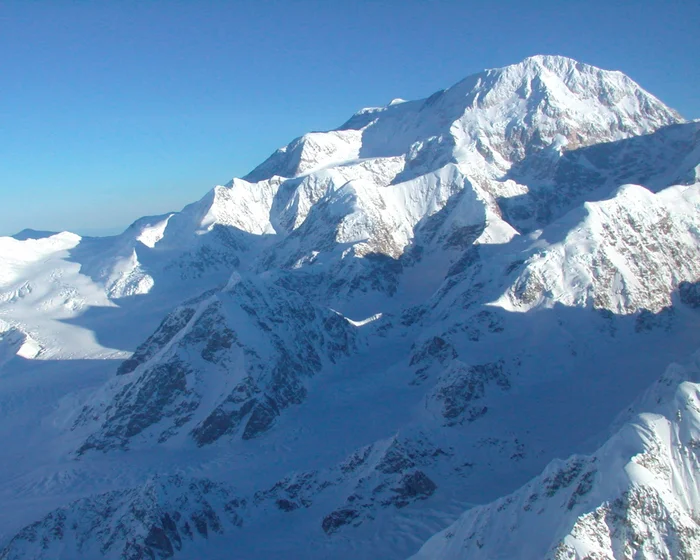
Tragic Summit: Mountaineering Incident Claims Lives on Mount McKinley
A climbing expedition aiming to conquer Mount McKinley—the massive peak often known by its original name, Denali—has concluded with devastating loss of life. Officials have confirmed the fatalities of three climbers following a perilous fall on the mountain. One member of the group was successfully extracted and rescued from the treacherous environment.
The incident involved a larger party, with the four individuals mentioned being part of a total group of seven people who had traveled to the United States specifically for the challenge of ascending North America’s highest point. The severity of the fall and the harsh conditions on the slopes have resulted in the loss of multiple lives, marking a grim conclusion to the ambitious attempt.
The recovery efforts and subsequent investigation into the cause of the accident are ongoing, underscoring the extreme dangers inherent in attempting such high-altitude mountaineering feats. The details surrounding the group’s ascent and the precise nature of the accident are being closely reviewed by relevant authorities.
What This Means:
This tragedy serves as a stark and sobering reminder of the risks associated with extreme altitude mountaineering. The incident immediately prompts discussions regarding safety protocols, the necessary level of acclimatization for climbers, and the preparedness required for rescue operations in remote, high-altitude environments. Such events force a critical reassessment of whether the pursuit of record-setting ascents outweighs the inherent dangers posed by the mountain’s unforgiving nature.
For the climbing community, this event necessitates a heightened focus on safety education and group support systems. The loss of life underscores the fact that even highly skilled and experienced teams face unpredictable and life-threatening hazards when confronting geological giants like Mount McKinley.
Background and Context:
Mount McKinley, or Denali, holds the title of North America’s tallest peak. Its immense altitude and rugged terrain make it an objective mountaineering goal for adventurers from around the globe. Ascending such a massive mountain is a feat that requires significant physical conditioning, specialized equipment, and often years of preparation. The logistics of supporting such expeditions—including gear transport, personnel rotation, and emergency extraction capability—are monumental undertakings in themselves, adding layers of complexity to the venture.
Official statements related to high-altitude incidents typically involve multidisciplinary teams, including mountain rescue specialists, search and rescue personnel, and scientific assessors. These groups work under immense pressure to retrieve survivors while simultaneously determining the causes of accidents, thereby contributing vital data to the understanding of mountain safety protocols across the globe.
About the Author




