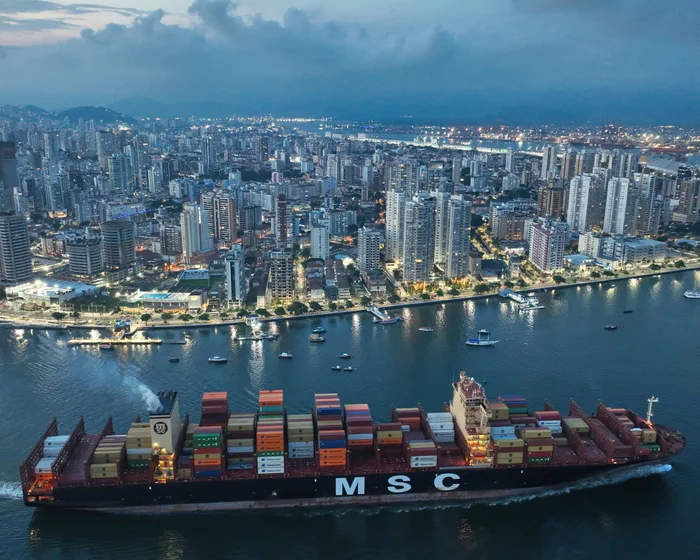
The United States government has signaled a significant escalation in trade disputes with Brazil, proposing the imposition of substantial 25% tariffs on goods imported from the South American nation. This action comes despite the broader context of the US maintaining a substantial trade surplus with the Brazilian market. The administration’s stated justification centers on allegations that Brazil engages in various trade methodologies deemed unfair or detrimental to American commercial interests.
These proposed duties reflect a deepening friction point in bilateral commerce. Officials suggest that the trade practices employed by the nation are actively impeding or unfairly constraining the flow of American goods and services into the Brazilian marketplace. The announcement immediately drew sharp criticism from the Brazilian leadership, signaling a heightened diplomatic challenge over trade policy that affects both economic sectors and political relations.
What This Means:
The potential implementation of these tariffs represents a major disruption to established trade relationships. Such high tariffs effectively increase the cost of Brazilian exports within the United States, creating immediate economic headwinds for exporting industries. For Brazil, facing punitive tariffs from a key global partner, the ramifications could extend beyond mere commercial loss, potentially straining diplomatic ties and forcing a reassessment of long-term trade strategies with other global economies.
Background / Context:
The political dimensions surrounding this proposed tariff action have been widely noted. Statements released following the announcement suggest that the current trajectory of the dispute is intertwined with ongoing domestic political rivalries within Brazil. One prominent political figure, who recently visited Washington, was cited by the Brazilian president as a contributing factor to the US administration’s decision. This suggests that the trade policy dispute may be carrying underlying political undertones, complicating any immediate diplomatic resolution focused solely on trade law.
Economists observing the situation note that while the dispute focuses on alleged unfair practices, the underlying economic relationship between the two nations remains crucial for global supply chains. The severity of the proposed tariffs implies a deep-seated disagreement over market access rules, going beyond standard trade negotiations into areas of perceived structural imbalance. The incoming administration’s stance indicates a willingness to utilize powerful fiscal tools to compel changes in Brazil’s trade behavior, setting a potentially volatile precedent for hemispheric commerce.
About the Author




