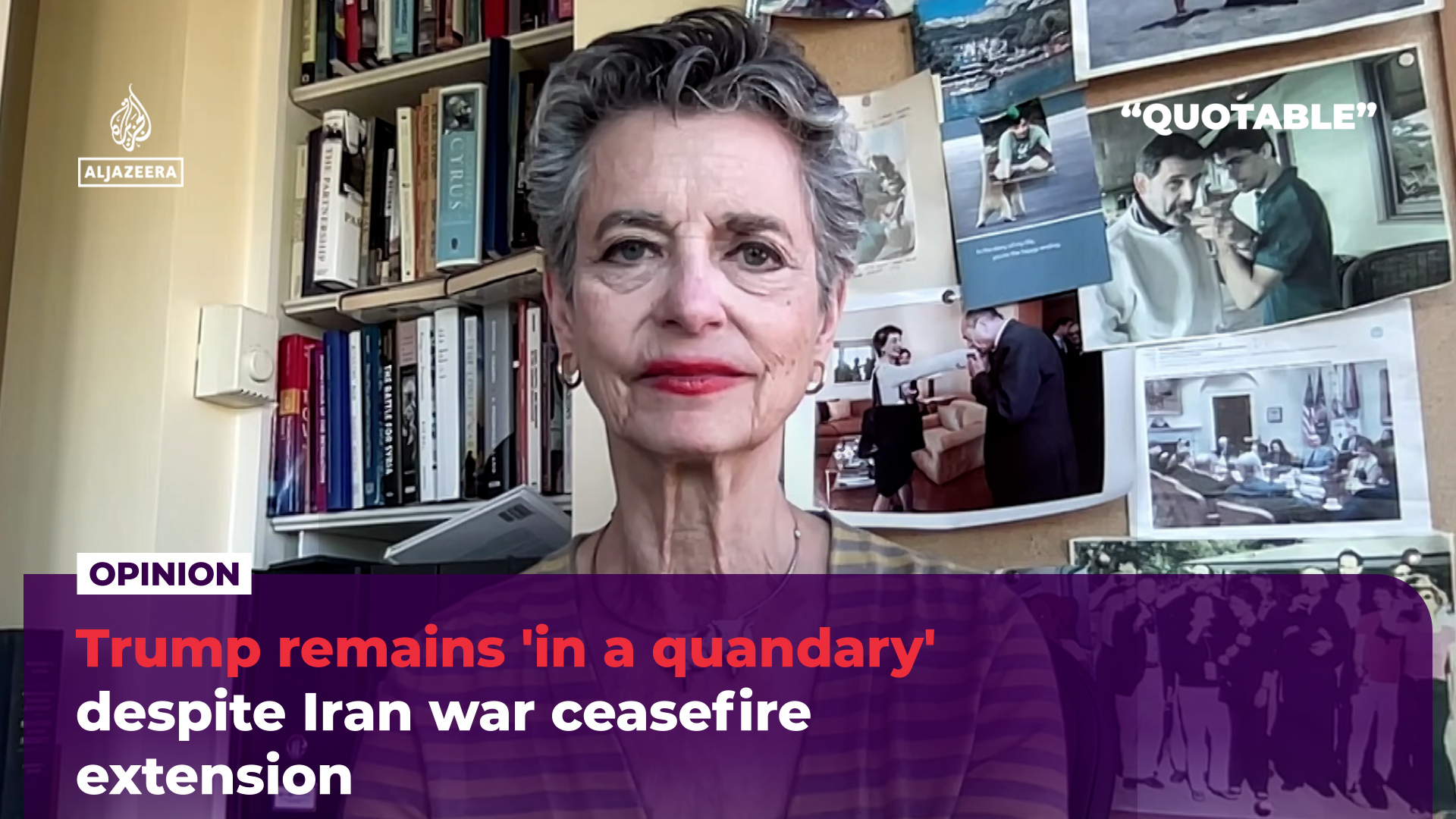
Assessing the Aftermath: Washington’s Balancing Act Following the Iran Ceasefire Extension
The recent extension of the ceasefire agreement with Iran presents the Trump administration with a complex diplomatic situation. While any pause in hostilities offers an immediate measure of relief, analysis suggests that achieving a lasting, comprehensive resolution to the underlying tensions remains significantly challenging. Experts point out that merely extending a ceasefire addresses the symptoms rather than the root causes of the regional conflict, leaving key policy decisions before the administration’s leadership.
This delicate moment requires a careful recalibration of American diplomatic posture. Instead of maintaining rigid, maximalist demands, a path toward sustainable stability appears contingent on Washington adopting a more flexible and nuanced negotiating stance. The focus must shift from establishing victory conditions to designing an architecture of mutual de-escalation that all involved parties can realistically commit to.
What This Means: The Imperative for Moderation
For the diplomatic efforts to gain traction, a significant moderation of stated objectives is likely necessary. History shows that overly rigid demands, while politically appealing domestically, can prove counterproductive when negotiating with deeply entrenched regional powers. To move beyond temporary truces, diplomatic envoys must build bridges by acknowledging the core security concerns of all parties involved. This involves crafting incentive structures rather than issuing ultimatums, thereby encouraging voluntary compliance and long-term adherence to any negotiated framework.
Background and Context: The Complexity of Regional Stability
The dynamics between the United States and Iran are historically fraught, marked by periods of intense confrontation and brittle truces. Any extension of a ceasefire, therefore, is viewed through a lens of deep suspicion by analysts. The complexity stems from the deep geopolitical rivalry, which extends beyond immediate military flashpoints. Stabilizing the region requires addressing mutual mistrust and building mechanisms for de-confliction that operate independently of major power escalations.
Experts recommend that future diplomatic initiatives prioritize institutionalizing dialogue. This means establishing working groups or multilateral forums dedicated solely to managing low-level friction points—such as maritime security or cross-border trade—without immediately escalating to core political disputes. Such incremental steps provide the necessary ballast to prevent a temporary cessation of fighting from slipping back into full-blown conflict when underlying grievances flare up.
About the Author





