Geopolitical Tensions Flare as U.S. Conducts Strikes Near Iranian Ports
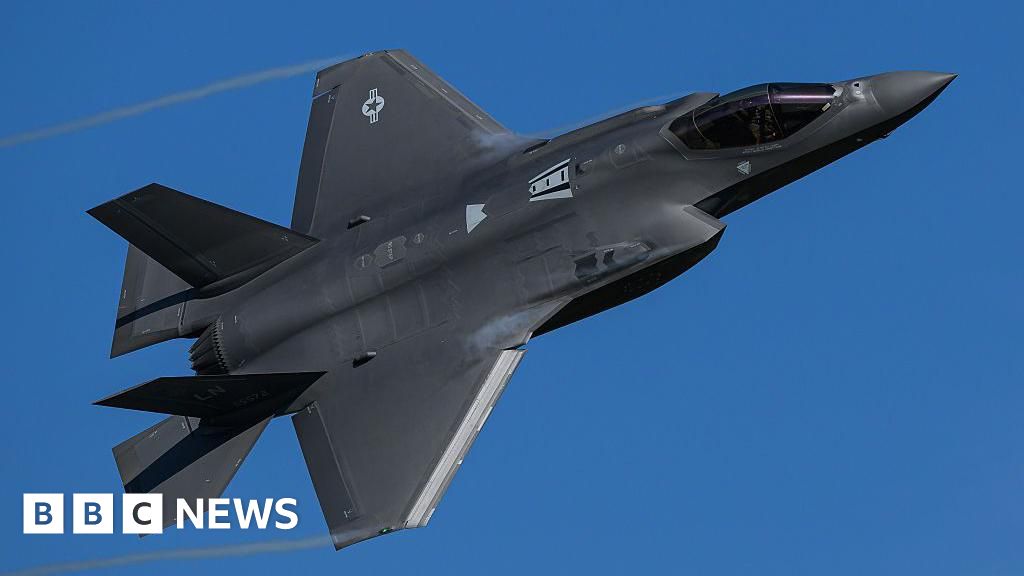
Recent reports confirm that United States military forces have initiated new aerial strikes targeting facilities in southern Iran. These operations reportedly focused on intercepting suspected Iranian missile sites and maritime vessels engaged in deploying mines. The military action was framed by U.S. Central Command as a necessary measure taken purely for self-defense, aiming specifically to safeguard American personnel against perceived threats originating from Iranian elements.
These escalations in military activity occur amid a complicated diplomatic landscape. While some reports have indicated tangible movement in discussions between Iranian officials and U.S. representatives, suggesting the prospect of a resolution, the timeline for any formal agreement remains uncertain. The precision of the strikes, which reportedly took place near Bandar Abbas—a key port city housing a significant naval installation near the Strait of Hormuz—has raised immediate questions regarding the path toward de-escalation.
Assessing the Implications of the Military Maneuvers
The execution of these strikes signals a heightened readiness and determination by U.S. forces to maintain a defensive posture in the region. Official statements accompanying the strikes emphasized that the military’s actions were governed by restraint, even while actively protecting its deployed troops. The immediate effect of the strikes, which targeted critical infrastructure near a major maritime chokepoint, could significantly complicate any nascent peace efforts. The lack of an immediate, public response from Iran following the strikes suggests that the diplomatic channels remain deeply strained.
The involvement of major global powers and high-level negotiations indicates that the region is balanced precariously between potential conflict and diplomatic resolution. Statements from diplomatic figures have suggested that while progress is being made in talks involving various regional actors, the finalization of any treaty or accord will likely require sustained back-and-forth negotiation over specific terms and language. This ongoing dialogue points to a commitment from multiple parties to find common ground, despite the flare-ups in military posturing.
Contextualizing the U.S.-Iran Relationship
The strategic importance of the southern Iranian coast, particularly areas connected to the Strait of Hormuz, cannot be overstated. This region is vital for global energy trade, making any perceived instability there a matter of international concern. Historically, interactions between the United States and Iran have been marked by periods of intense confrontation punctuated by intermittent diplomatic efforts. The current sequence of military action following diplomatic discussions illustrates the persistent tension between maintaining security guarantees for deployed personnel and the complex, slow machinery of international negotiation.
About the Author