UK Military Intercepts Suspected Russian Oil Tanker in Landmark Operation
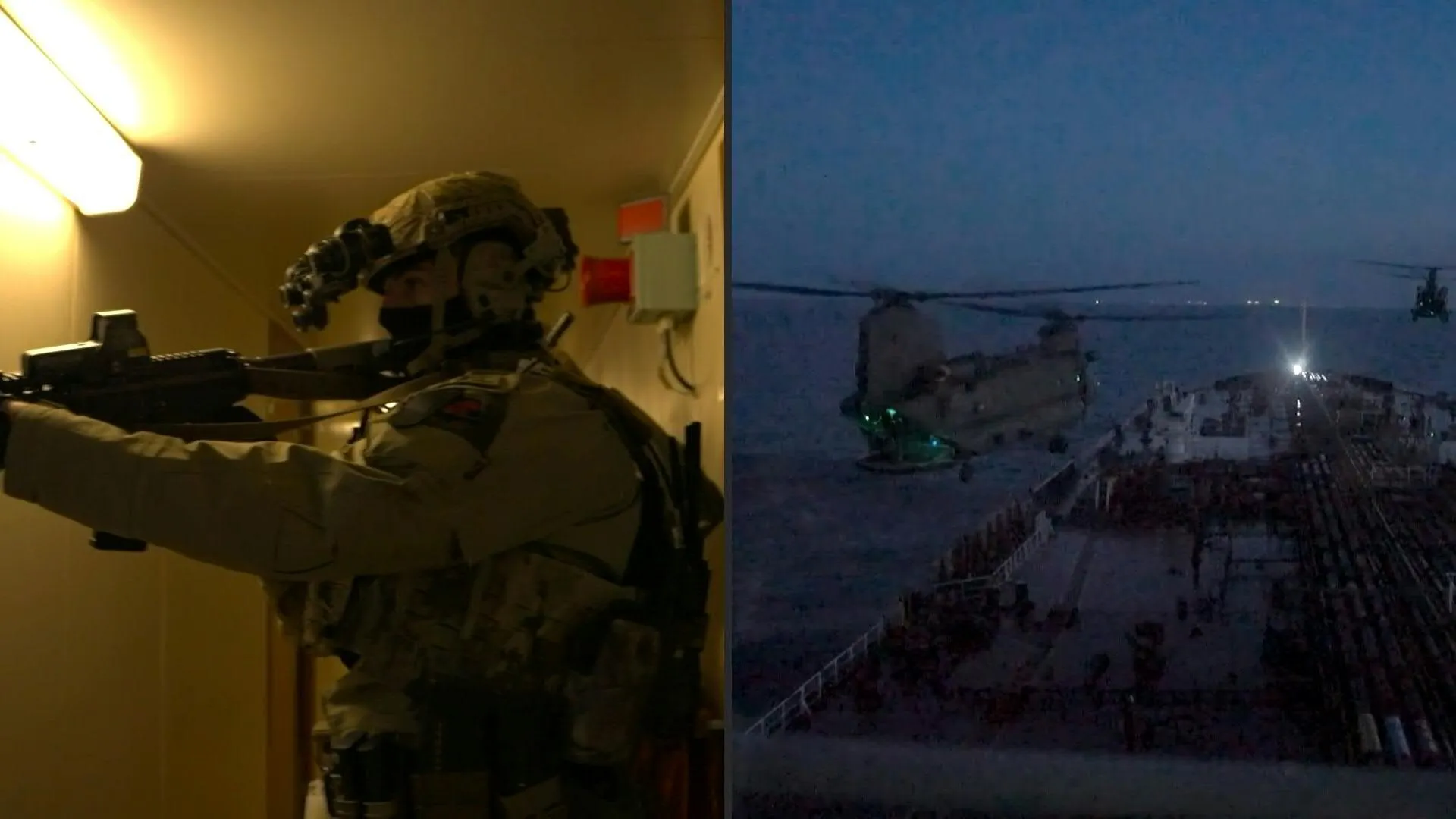
In a significant demonstration of maritime enforcement, British armed forces successfully intercepted an oil tanker suspected of operating outside international sanctions regimes. The vessel, identified as the ‘SMYRTOS,’ was seized during what is being marked as a first-of-its-kind operation conducted by the UK military within the English Channel. This action targets vessels believed to be part of a larger, coordinated network that facilitates Russia’s circumventing of international energy restrictions.
The interception suggests a heightened and increasingly direct engagement by Western naval powers in tracking and disrupting the flow of Russian resources. By taking control of the tanker, the military intervention aims to curtail revenue streams that are believed to be crucial in sustaining Russia’s efforts in the ongoing conflict in Ukraine. The seizure itself represents a major enforcement success in countering illicit trade routes.
What This Means: Strengthening Global Sanctions Enforcement
This operation sends a clear message regarding the international commitment to upholding economic sanctions. By physically seizing assets like the ‘SMYRTOS,’ the UK demonstrates its proactive role in maritime security and global trade compliance. The successful interception reinforces the principle that vessels involved in sanction-evading activities face significant risk of confrontation with international naval forces. It signals a tangible escalation in the enforcement mechanism aimed at crippling the financial lifelines of sanctioned states.
Background and Context: Targeting the Shadow Fleet
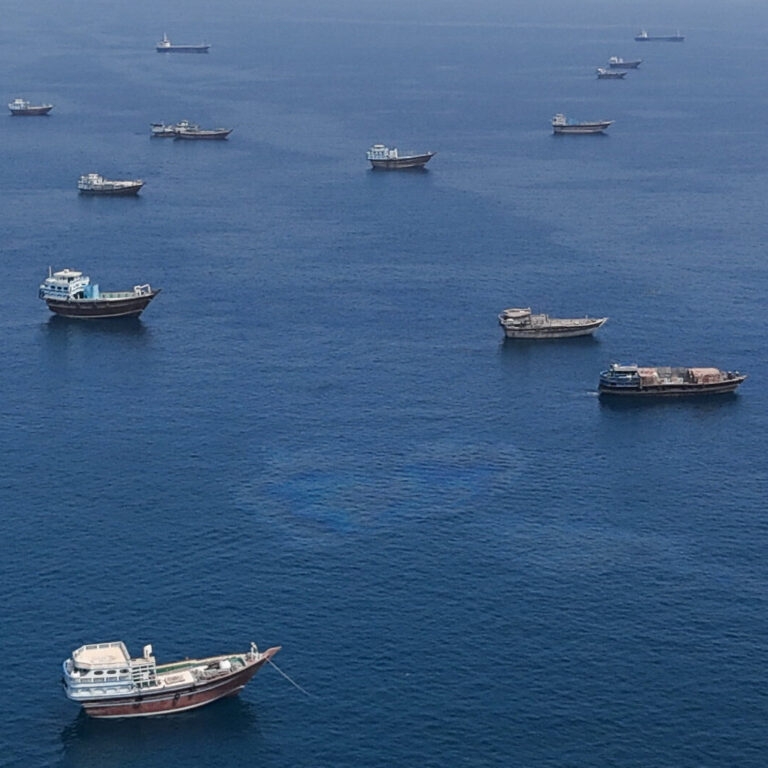
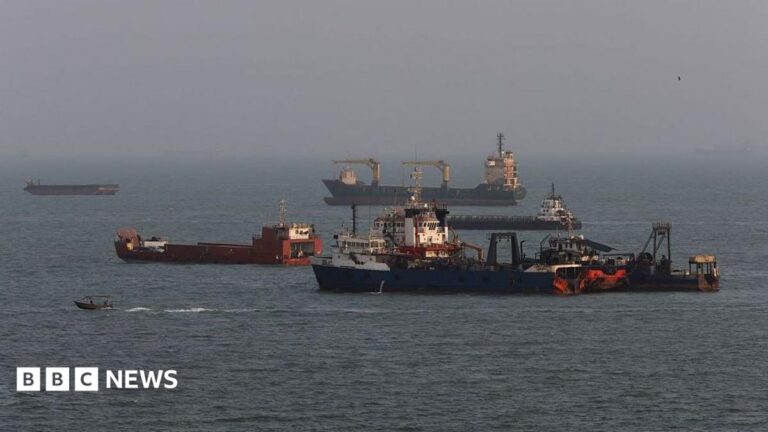
The focus of these operations has been on what is described as Russia’s ‘shadow fleet’ of tankers. These vessels are believed to be utilized to transport crude oil and other commodities in violation of Western sanctions imposed following the conflict in Ukraine. Such fleets are designed to maintain energy exports by finding loopholes in global maritime law and trade regulations. The scale and sophistication of the effort required to track and halt such a vessel in international waters underscore the complexity of the challenge faced by global regulators.
The interception of the ‘SMYRTOS’ marks a notable advancement in the practical application of these sanctions. It moves enforcement beyond mere monitoring and sanctions rhetoric into direct, kinetic action at sea. The event is viewed by analysts as a strategic blow designed not just to confiscate oil, but to disrupt the logistical confidence that the accused fleet relies upon, thereby pressuring the involved parties economically and militarily.
About the Author