Political Friction Over US Approach to Iran: Trump Challenges Congressional Limits on War Powers
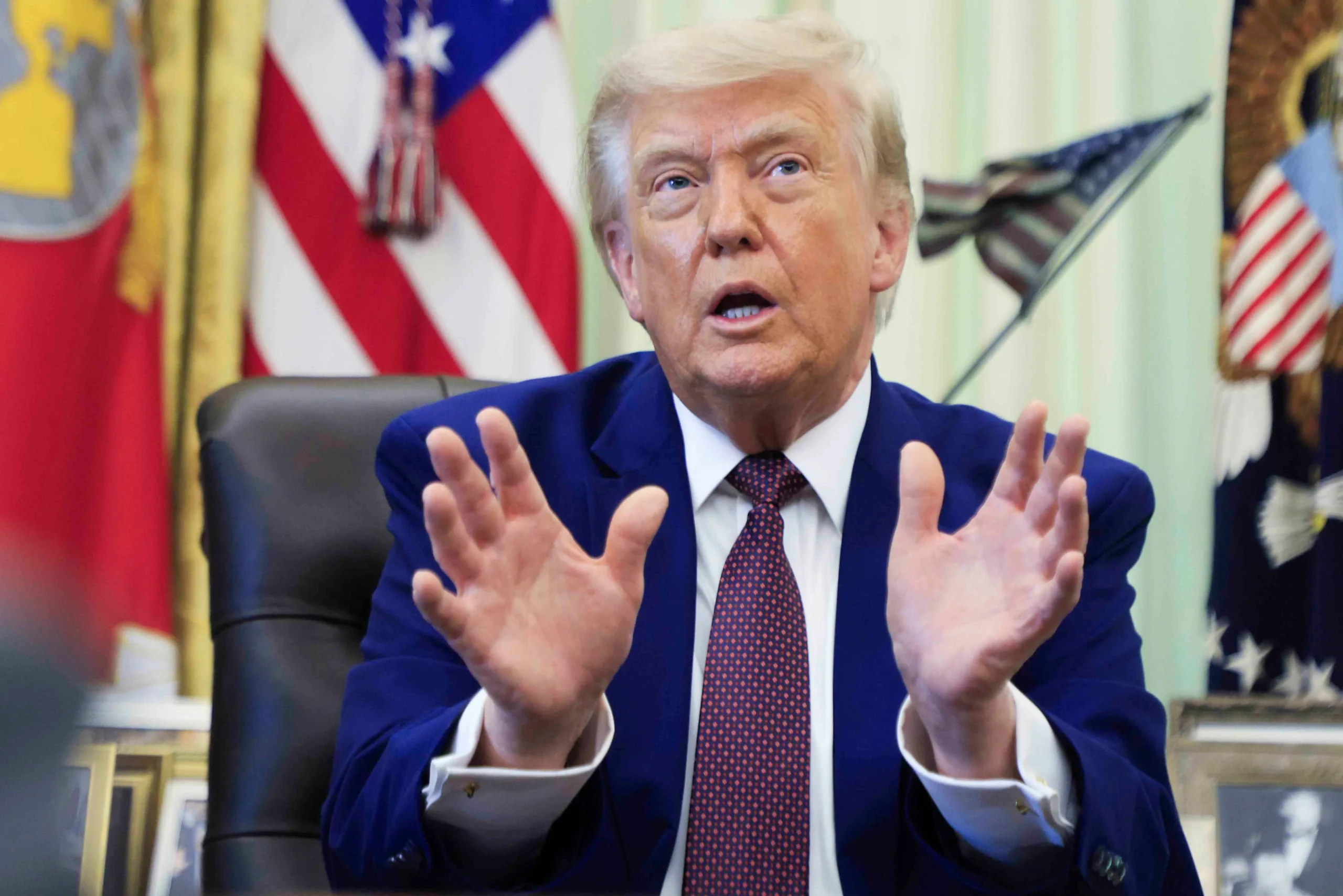
Recent legislative action in the U.S. House of Representatives has placed President Trump at the center of a significant political dispute regarding the executive branch’s authority to manage military conflicts, particularly in the context of tensions with Iran. Following the House’s vote to pass a measure designed to constrain the President’s capacity to initiate military action without further legislative green light, Trump publicly criticized the lawmakers involved. His remarks suggested that such votes were detrimental to ongoing diplomatic efforts and portrayed the measures as interfering with his negotiating objectives.
The core of the dispute revolves around Congressional oversight of war-making authority. A resolution passed in the House aimed to curb the President’s ability to wage war, prompting Trump to voice strong disapproval. He specifically targeted certain Republicans who supported the bill, questioning their motives and implying their actions undermined the administration’s ongoing efforts to de-escalate hostilities in the Persian Gulf region. The political exchange highlights a deepening rift between the administration and segments of Congress over the proper balance of military power.
What This Means: Navigating International Conflict
The legislative showdown underscores a critical policy debate: where does Congress’s authority to limit presidential power end, and where does the need for decisive executive action in a volatile international zone begin? For observers, the immediate impact is an increased partisan focus on oversight mechanisms rather than the underlying diplomatic goals. The passage of the measure signaled a concerted effort by some legislators to ensure that future military engagements require broader Congressional consensus, adding a layer of political scrutiny to what are inherently complex geopolitical challenges. This tension suggests that any future diplomatic resolution must navigate not only the actions of the opposing nation but also the varying political mandates within the American government itself.
Background: Stalled Negotiations with Iran
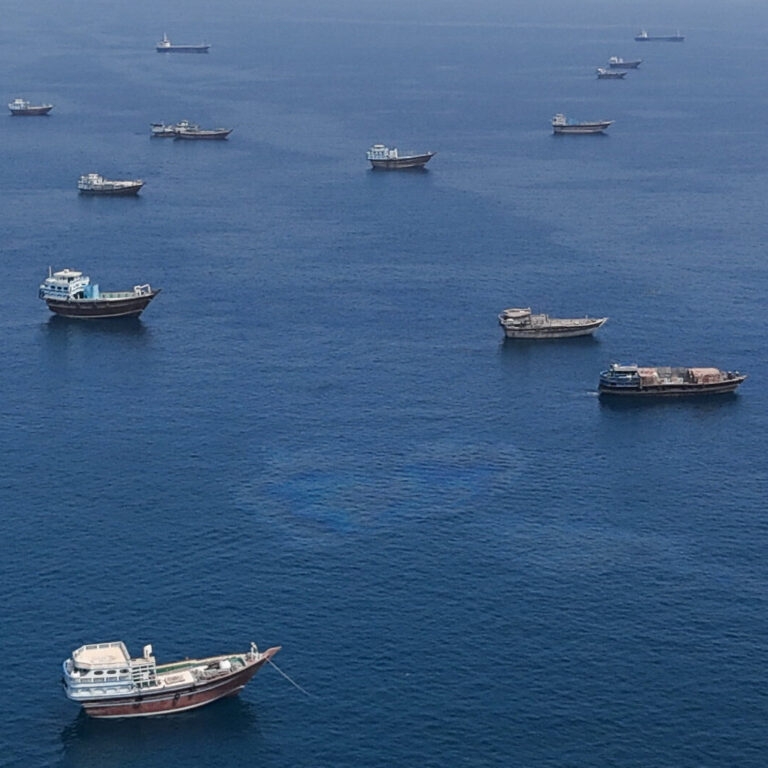
The backdrop to this political disagreement involves intermittent, high-stakes diplomatic talks concerning the Islamic Republic of Iran. These negotiations have repeatedly cycled between military posturing and promises of a diplomatic breakthrough. Key unresolved sticking points remain matters of national security importance, including the future direction of Iran’s nuclear capabilities and maintaining stability in critical shipping channels like the Strait of Hormuz. The administration has been heavily invested in achieving a comprehensive agreement that aims to supersede previous limitations placed on Iran’s enrichment activities, an agreement the administration had previously moved to dismantle in 2018.
The dynamic suggests that while diplomatic channels are attempting to move toward a resolution, the domestic political environment remains highly charged. The recent push to limit executive power is occurring while the White House continues to manage perceived threats and push for a more robust international security framework.
About the Author