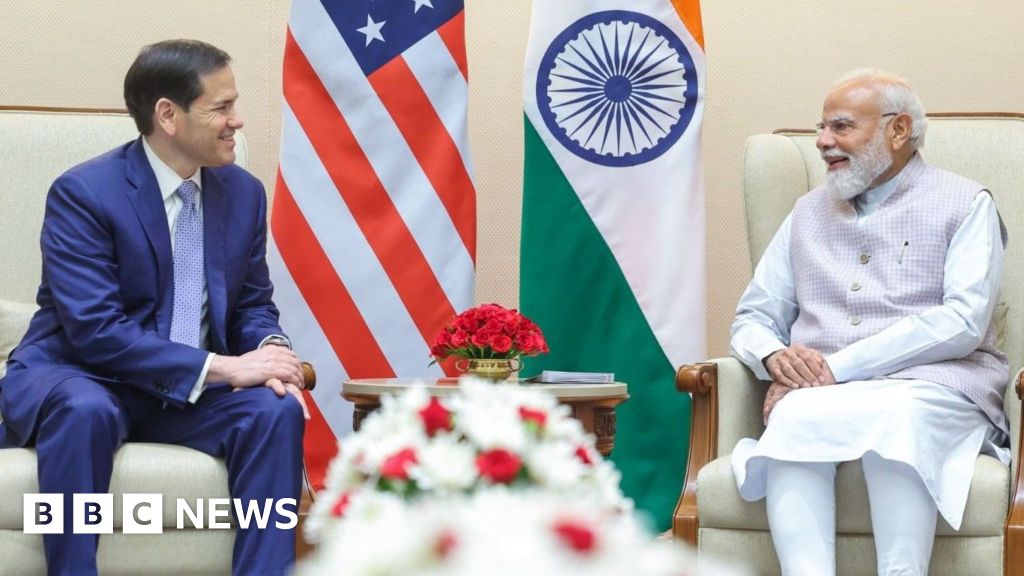
Discussions between high-ranking US officials and Indian leadership are increasingly focused on stabilizing critical global resources, particularly in the energy sector. During a recent visit, discussions took place between the US Secretary of State and the Prime Minister of India, emphasizing the need for mutual cooperation to navigate volatile international markets. The conversations highlighted shared concerns regarding regional stability and the economic implications of geopolitical tensions across the globe.
A primary pillar of the discussions centered on energy security. As global supply chains face unprecedented strain—significantly influenced by disruptions in vital maritime chokepoints—the relationship between the two nations is looking toward enhancing energy partnerships. The ability of the United States to provide a stable and diversified source of energy supplies was a key topic, given that India heavily relies on international energy imports for its operational needs.
What This Means: A Strategic Pivot in Energy Dependency
The emphasis on US energy imports signals a potential strategic shift for India. Given its substantial dependence on external energy sources, which frequently pass through geopolitically sensitive waterways, diversifying supply routes and sources is paramount. The discussions suggest an active effort by both nations to deepen economic ties through energy trade, which could help balance India’s trade accounts and provide greater insulation from international disruptions.
Background and Context: Navigating Geopolitical Tensions
The backdrop to these high-level talks is marked by significant global volatility. Tensions in the Middle East, particularly concerning major oil and gas transit routes, have created sharp price fluctuations and supply uncertainties. These disruptions affect global energy markets, placing immediate pressure on nations like India, which sources the vast majority of its necessary energy supplies from international trade. Official statements from US representatives during these talks indicated a commitment to ensuring that global energy supplies remain open and accessible, countering any attempts to weaponize critical trade choke points.
Furthermore, the discussions were framed within the broader context of reshaping economic ties between the two countries. Beyond energy, there is an evident mutual interest in boosting bilateral trade. By solidifying a robust energy partnership, the nations aim to create a more resilient economic framework that addresses ongoing trade imbalances and supports mutual growth agendas in a challenging international climate.
About the Author