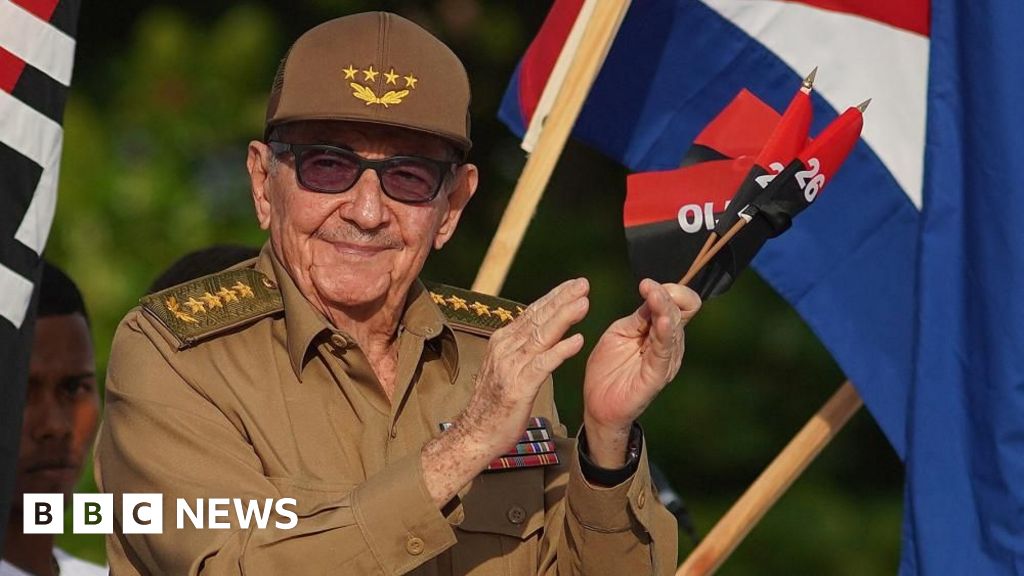
“title”: “U.S. Alleges Involvement of Former Cuban Leader in 1996 Aircraft Downings”,
“content”: “
U.S. Alleges Involvement of Former Cuban Leader in 1996 Aircraft Downings
The United States has formally filed criminal charges against former Cuban official Raúl Castro, accusing him and several associates of involvement in the 1996 downing of two aircraft. These planes were traveling between Cuba and Florida and belonged to members of the Cuban-American organization Brothers to the Rescue. The charges, brought forward by U.S. legal authorities, allege a conspiracy to kill American nationals and include counts related to the deaths of several individuals.
The revelation of these charges targets a high-profile figure within Cuba’s governing structure, generating immediate international discussion. The U.S. government asserts that these legal actions are necessary to address past incidents that resulted in the loss of life. While the severity of the charges is significant, the announcement has prompted a swift and forceful rebuttal from the Cuban regime itself.
In response to the legal maneuvers, Cuban officials dismissed the filings as purely political posturing, asserting that they lacked any foundation in actual law. This diplomatic friction highlights the ongoing, deep-seated tensions between the two nations, with the U.S. signaling a sustained effort to exert pressure on Cuba’s internal governance and economic structure.
What This Means: Heightened Diplomatic Confrontation
The initiation of these criminal charges signals a substantial escalation in the ongoing bilateral disputes. By targeting a key leader and accusing him of historical crimes, the U.S. is employing the judicial system as a tool of geopolitical pressure. Experts suggest this strategy aims to incrementally build pressure on the Cuban government, potentially compelling them toward significant political or economic adjustments to their existing one-party system. The potential penalties attached to the charges—some carrying terms up to life imprisonment—underscore the gravity with which the U.S. views these historical events.
Background and Context: Decades of Tension
The current legal action does not occur in a vacuum; it builds upon a long history of restricted diplomatic relations and trade measures between Washington and Havana. Over the years, the U.S. has maintained various measures, including sanctions and energy restrictions, which have profoundly impacted the Cuban economy. These broader economic pressures, coupled with the targeted legal filings, frame the incident within a larger context of sustained geopolitical competition. The focus on these past incidents underscores a persistent narrative of protecting American citizens and asserting U.S. influence in the Caribbean region.
Summary
The charges accuse Raúl Castro of conspiracy and multiple counts of murder related to the 1996 crash. Cuban leadership vehemently rejects the legal basis for the actions, characterizing them as a political ploy. Analysts view the filings as a strategic escalation designed to force systemic change within Cuba, continuing the pattern of increased pressure on the country’s political and economic stability.
}###
U.S. Alleges Involvement of Former Cuban Leader in 1996 Aircraft Downings
The United States has formally filed criminal charges against former Cuban official Raúl Castro, accusing him and several associates of involvement in the 1996 downing of two aircraft. These planes were traveling between Cuba and Florida and belonged to members of the Cuban-American organization Brothers to the Rescue. The charges, brought forward by U.S. legal authorities, allege a conspiracy to kill American nationals and include counts related to the deaths of several individuals.
The revelation of these charges targets a high-profile figure within Cuba’s governing structure, generating immediate international discussion. The U.S. government asserts that these legal actions are necessary to address past incidents that resulted in the loss of life. While the severity of the charges is significant, the announcement has prompted a swift and forceful rebuttal from the Cuban regime itself.
In response to the legal maneuvers, Cuban officials dismissed the filings as purely political posturing, asserting that they lacked any foundation in actual law. This diplomatic friction highlights the ongoing, deep-seated tensions between the two nations, with the U.S. signaling a sustained effort to exert pressure on Cuba’s internal governance and economic structure.
What This Means: Heightened Diplomatic Confrontation
The initiation of these criminal charges signals a substantial escalation in the ongoing bilateral disputes. By targeting a key leader and accusing him of historical crimes, the U.S. is employing the judicial system as a tool of geopolitical pressure. Experts suggest this strategy aims to incrementally build pressure on the Cuban government, potentially compelling them toward significant political or economic adjustments to their existing one-party system. The potential penalties attached to the charges—some carrying terms up to life imprisonment—underscore the gravity with which the U.S. views these historical events.
Background and Context: Decades of Tension
The current legal action does not occur in a vacuum; it builds upon a long history of restricted diplomatic relations and trade measures between Washington and Havana. Over the years, the U.S. has maintained various measures, including sanctions and energy restrictions, which have profoundly impacted the Cuban economy. These broader economic pressures, coupled with the targeted legal filings, frame the incident within a larger context of sustained geopolitical competition. The focus on these past incidents underscores a persistent narrative of protecting American citizens and asserting U.S. influence in the Caribbean region.
Summary
The charges accuse Raúl Castro of conspiracy and multiple counts of murder related to the 1996 crash. Cuban leadership vehemently rejects the legal basis for the actions, characterizing them as a political ploy. Analysts view the filings as a strategic escalation designed to force systemic change within Cuba, continuing the pattern of increased pressure on the country’s political and economic stability.
<div id="
About the Author