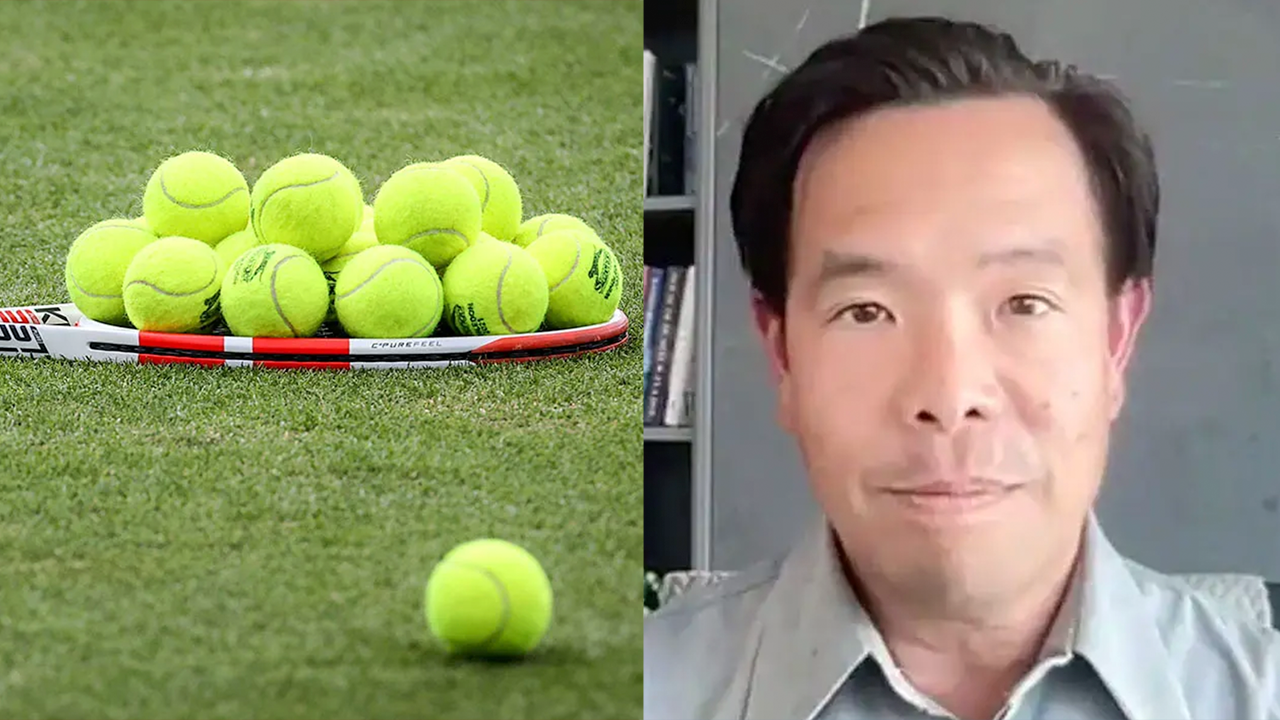
Routine Family Play Leads to Confusion: San Francisco Father Confronted Over Unpermitted ‘Lessons’
A seemingly ordinary afternoon of family recreation in a public park took a surprising turn for a San Francisco resident. While simply enjoying a session of tennis with his young children, a father found himself questioned by park authorities regarding the legality of his activity. The situation highlighted a misunderstanding between the recreational use of public space and the formal requirements for organized instruction.
The incident occurred at a local park, where the father and his two children were spending time together after a family trip. The family’s intention was purely leisure—a chance to enjoy the outdoors and engage in a familiar activity. However, park rangers approached the group, leading to an inquiry about whether the father possessed the necessary permits to conduct tennis lessons. The confusion persisted until one of the children clarified the relationship, resolving the misunderstanding.
What This Means: Clarifying Public Space Use
This event underscores the critical distinction between casual, personal recreation and commercial or organized instruction within public parks. While parks are intended for public enjoyment, the rules governing activities can be quite specific. The potential financial penalty mentioned by the rangers for operating without proper authorization serves as a reminder that even simple, spontaneous activities can fall under complex municipal regulations.
The experience serves as a cautionary tale for park visitors: while the spirit of the law is to allow enjoyment, the letter of the law regarding organized activities requires adherence to specific departmental guidelines. The fact that the family was ultimately not cited suggests that the rangers recognized the benign nature of the situation once the misunderstanding was cleared up.
Background and Context: Park Regulations
Public park systems are managed to balance accessibility for the general public with the need to maintain order and manage resources. When an activity crosses the line from private family play into something resembling a structured lesson or service, it often triggers regulatory oversight. These rules are put in place to ensure safety, manage facility usage, and generate necessary revenue for park upkeep. For casual users, understanding the difference between personal practice and public instruction is key to avoiding confusion with park enforcement staff.
About the Author