Global Health Alert: Understanding the Escalating Ebola Threat in the Democratic Republic of Congo and Beyond
Health authorities have upgraded the designation of the Ebola outbreak occurring within the Democratic Republic of Congo (DRC) to a public health emergency of international concern. While the World Health Organization (WHO) clarified that the current situation does not technically meet the threshold for a global pandemic declaration, the level of alert remains extremely high. Officials have issued serious warnings regarding the potential for this localized outbreak to expand rapidly, suggesting a significant risk of both regional spread within the DRC and across neighboring countries.
The current crisis is centered in eastern regions, particularly the Ituri province. While the confirmed figures detail several cases and fatalities within specific health zones, the nature of the transmission warrants global attention. The causative agent for this resurgence is identified as the Bundibugyo virus. Compounding the difficulty for medical teams are the current limitations in medical countermeasures, as there are presently no universally approved drugs or vaccines available for treatment or prevention.
The Immediate Risks and Spread Dynamics
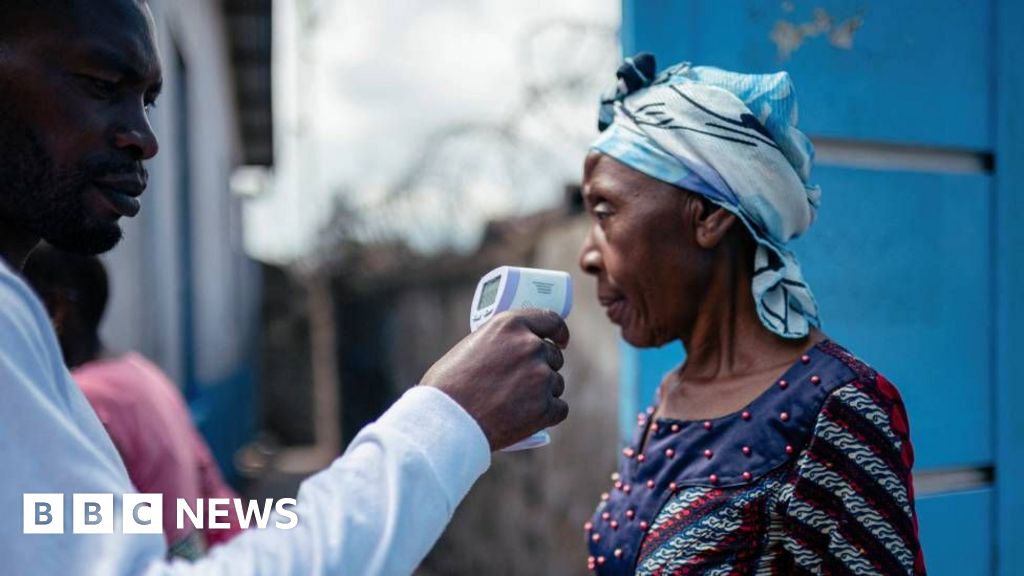
The clinical presentation of the virus is severe, typically beginning with non-specific symptoms like intense fever, profound fatigue, muscle aches, and sore throat. These initial signs can rapidly progress to more alarming symptoms, including gastrointestinal distress, visible rashes, and severe internal bleeding. The geographic spread of the illness is already proving to be a significant concern. Beyond the initial outbreak site, cases have been documented in neighboring nations, including confirmed instances in Uganda. Furthermore, the situation is complex due to the involvement of volatile regions, such as cities currently experiencing conflict, which complicates containment efforts and medical access.
Global Health Implications and Response
The international focus is now intensely on containment and border security. The situation has drawn the attention of international personnel, including U.S. citizens, some of whom have been exposed to the pathogen in the DRC. This has prompted discussions regarding international evacuation efforts and specialized medical handling. The emergence of cases in areas marked by instability underscores the critical need for coordinated international support, robust surveillance systems, and the rapid development and deployment of protective medical tools to prevent further regional escalation.
Understanding the Context
The emergence of Ebola viruses in regions with fragile health infrastructures highlights persistent challenges in tropical medicine. Outbreaks like this remind the world of the importance of maintaining vigilance against zoonotic diseases and the necessity of proactive, multinational responses when a recognized pathogen surfaces. The ongoing international monitoring of this event serves as a major test case for global public health coordination in the face of highly virulent, poorly understood pathogens.
About the Author