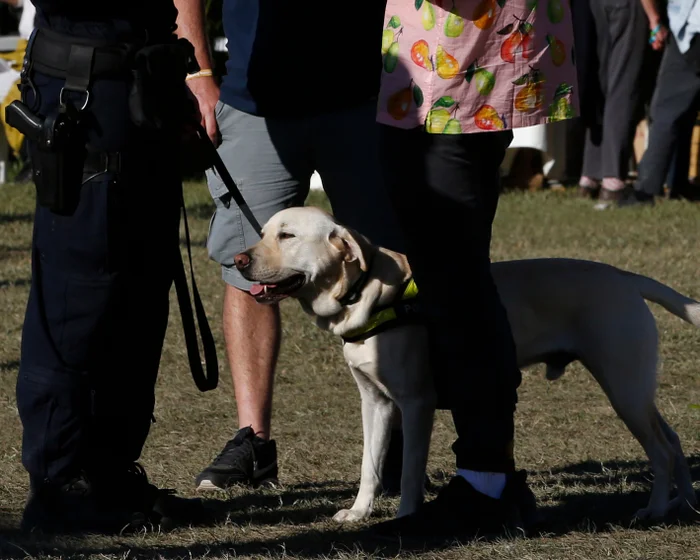
A significant legal dispute has emerged concerning the procedures used by police officers during searches conducted at large public gatherings, specifically music festivals. A recent court ruling focused heavily on the credibility of officers who participated in these searches, raising serious questions about the reliability of their initial accounts.
A key element of the recent proceedings involved an individual who alleged that she underwent an improper strip search by NSW police. Crucially, the court noted that the officers who carried out the search had previously indicated they believed the complainant would testify falsely against them. This suggests a potential pattern of misconduct or an abuse of authority during initial investigations.
The legal fallout is complex, involving a class action suit representing numerous festival attendees who allege they were subjected to unlawful searches over several years. This action has reached the NSW Court of Appeal, where authorities are attempting to appeal a prior ruling that awarded substantial damages to the woman in question, totaling a reported $93,000, alongside an additional sum of $20,000 for aggravated damages.
The depth of the controversy was highlighted by inconsistencies in official police statements. At one point during the proceedings, it was revealed that the officers involved had submitted written statements a year prior to the woman’s appearance, claiming a lack of recollection regarding both her presence and the search itself. These conflicting accounts—from initial statements to later testimony—form the core of the legal challenge, suggesting systemic issues in police documentation and testimony.
What This Means: Examining Institutional Accountability
The proceedings underscore a critical tension between law enforcement authority and civil liberties at large public events. When police procedures are challenged in court, the focus shifts not just to whether a search occurred, but how it was conducted and what level of justification existed for each step. The judge’s commentary regarding the officers’ premature assumptions about the complainant’s truthfulness is particularly impactful, suggesting that the law recognizes that police officers must approach evidence with neutrality, rather than forming conclusions about a person’s veracity before formal proceedings conclude.
Furthermore, the attempt by NSW to appeal a class action indicates that the implications of these alleged procedural failings extend far beyond an individual case. If these allegations of unlawful searching and compromised procedure are upheld across a group of thousands of festivalgoers, it could prompt comprehensive reviews of police protocols for crowd management and searching techniques used in temporary, high-density public settings.
Background and Context: The Scope of the Dispute
The dispute centers on searches conducted at multiple music festivals spanning a period from 2018 through 2022. Class action lawsuits are mechanisms designed to allow a large group of people who have suffered similar harm to pursue a single legal claim, which can be more efficient and impactful than dozens of individual lawsuits. The core legal battle revolves around the assertion that the police actions taken constituted illegal searches, bypassing necessary judicial oversight and failing to adhere to established privacy and conduct standards expected during public order operations. The ongoing legal maneuvering demonstrates the judiciary’s willingness to scrutinize the breadth and depth of state power when civil rights are allegedly violated en masse.
About the Author