Gender Disparity in Crisis: How Ebola’s Impact Unequally Strikes Women in the Democratic Republic of Congo
During health emergencies, the burdens of caregiving and risk management rarely fall equally across genders. In the eastern regions of the Democratic Republic of the Congo (DRC), the devastating Ebola outbreak has highlighted a profound gender disparity in risk. Women, who often take on the critical roles of tending to the sick and managing the aftermath of the deceased, are bearing a disproportionate share of the burden.
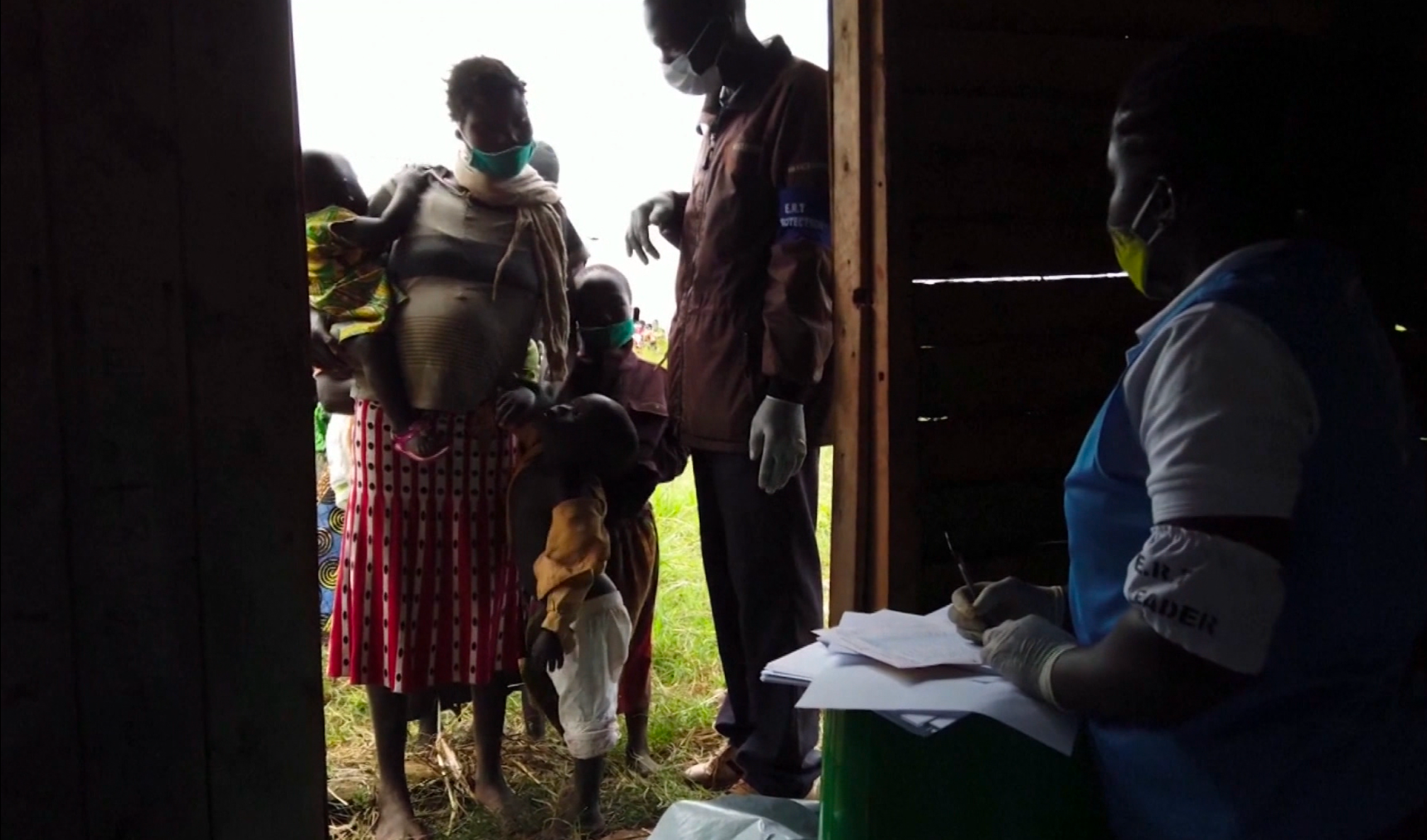
This elevated risk exposure is compounded by systemic resource limitations. Reports indicate that inadequate supplies of essential protective equipment, combined with fluctuating funding levels, are creating a dangerous environment. Consequently, the very individuals tasked with maintaining community health and managing burials find themselves facing heightened vulnerability to the pathogen.
The situation underscores a critical gap between the labor required for public health response—which centers on compassionate, hands-on care—and the logistical capacity to safely support those workers. Women caregivers, in particular, are described as being on the front lines, navigating shortages in necessary gear while simultaneously fulfilling vital roles in both medical support and traditional burial rites.
Understanding the Systemic Impact
The disparity in risk faced by women extends beyond mere physical exposure; it touches upon the very structure of care provision during a crisis. When medical protocols are strained, the informal support networks often rely heavily on female family members. These caregivers must assume roles that demand physical stamina and constant exposure, often without the proper personal protective equipment designed to shield them from transmission. Official statements indicate that the strain on these primary caregivers can lead to cycles of community transmission, impacting not just the patient, but also the primary support system.
What This Means for Public Health Response
The disproportionate impact points to a necessary shift in how global and local health interventions are structured. Effective pandemic response cannot treat gender roles as secondary considerations. Instead, it must acknowledge that equipping and safeguarding the female workforce—those critical to maintaining the care continuum—is a prerequisite for containing the disease. Without targeted resource allocation, these essential community members become the weakest link in the defense against outbreaks.
Contextualizing the Care Burden
In many communities dealing with outbreaks, the loss of life requires meticulous and culturally significant rites, which places caregivers in direct proximity to infectious materials. This dual role—that of medical attendant and funeral facilitator—magnifies the danger. The combination of these arduous duties with a lack of consistent supplies of gear means that the protective measures intended to keep the community safe end up placing the highest risks directly onto its female guardians.
About the Author