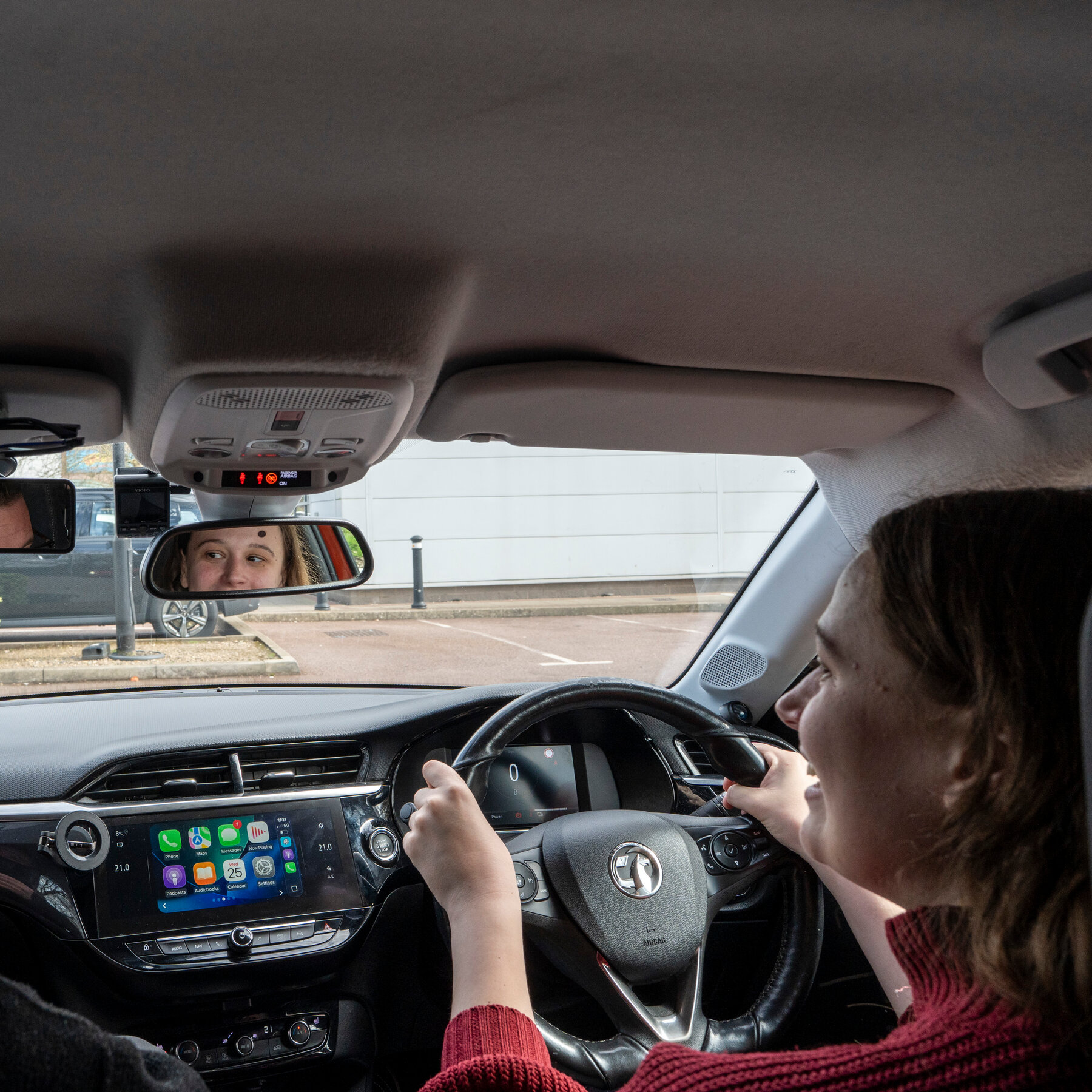
Navigating the Labyrinth: Extreme Delays and Low Success Rates Plague Obtaining a British Driving License
The process of obtaining a driving license in England and Scotland has recently become a significant source of public frustration, marked by protracted waiting periods and challenging examination outcomes. Prospective drivers are encountering substantial delays, with average wait times for a practical test reportedly reaching around twenty-two weeks. This staggering figure represents a dramatic increase when compared to pre-pandemic benchmarks, which saw wait times averaging just five weeks. Such extended waits are placing considerable strain on individuals who require the license for work, mobility, or general independence.
Beyond the scheduling difficulties, the pathway to licensure itself presents steep challenges. Reports indicate that the pass rate for the practical driving examination is alarmingly low, hovering near a 50% failure rate. This combination of lengthy queues and a relatively high rate of initial failure is creating a bottleneck effect, leading some applicants to consider every possible avenue to expedite their status and secure a testing slot. The cumulative effect of these hurdles transforms what should be a straightforward rite of passage into a prolonged, stressful ordeal.
The Systemic Impact of Extended Waiting Periods
The sheer length of the delay fundamentally impacts the lives of the applicants. For many, a driving license is not a convenience but a necessity—it is vital for accessing employment centers, managing daily commutes, and maintaining personal autonomy. When the expected timeline extends over several months, it creates ripple effects across personal and professional spheres. The pressure mounts as individuals must manage their livelihoods and schedules around an unpredictable testing date, often forcing adjustments that impact everything from job applications to caregiving responsibilities.
Underlying Causes and System Strain
Official reports suggest that the system, much like many public services, is struggling to keep pace with demand. The initial slowdown in the testing infrastructure, compounded by accumulated backlog over the past few years, has created a systemic drag. Furthermore, the difficulty implied by the low pass rate suggests that either the training standards, the testing materials, or the examination process itself may require significant review and modernization to better support new drivers.
Significance for Modern Life
Ultimately, the experience underscores the critical nature of driving infrastructure in modern UK society. A reliable, accessible, and fairly administered process for gaining a driving license is crucial for maintaining social mobility and economic participation. The current environment highlights a divergence between the assumed necessity of driving skills and the administrative reality of obtaining the certification, signaling a need for substantial organizational overhaul within the issuing bodies.
About the Author