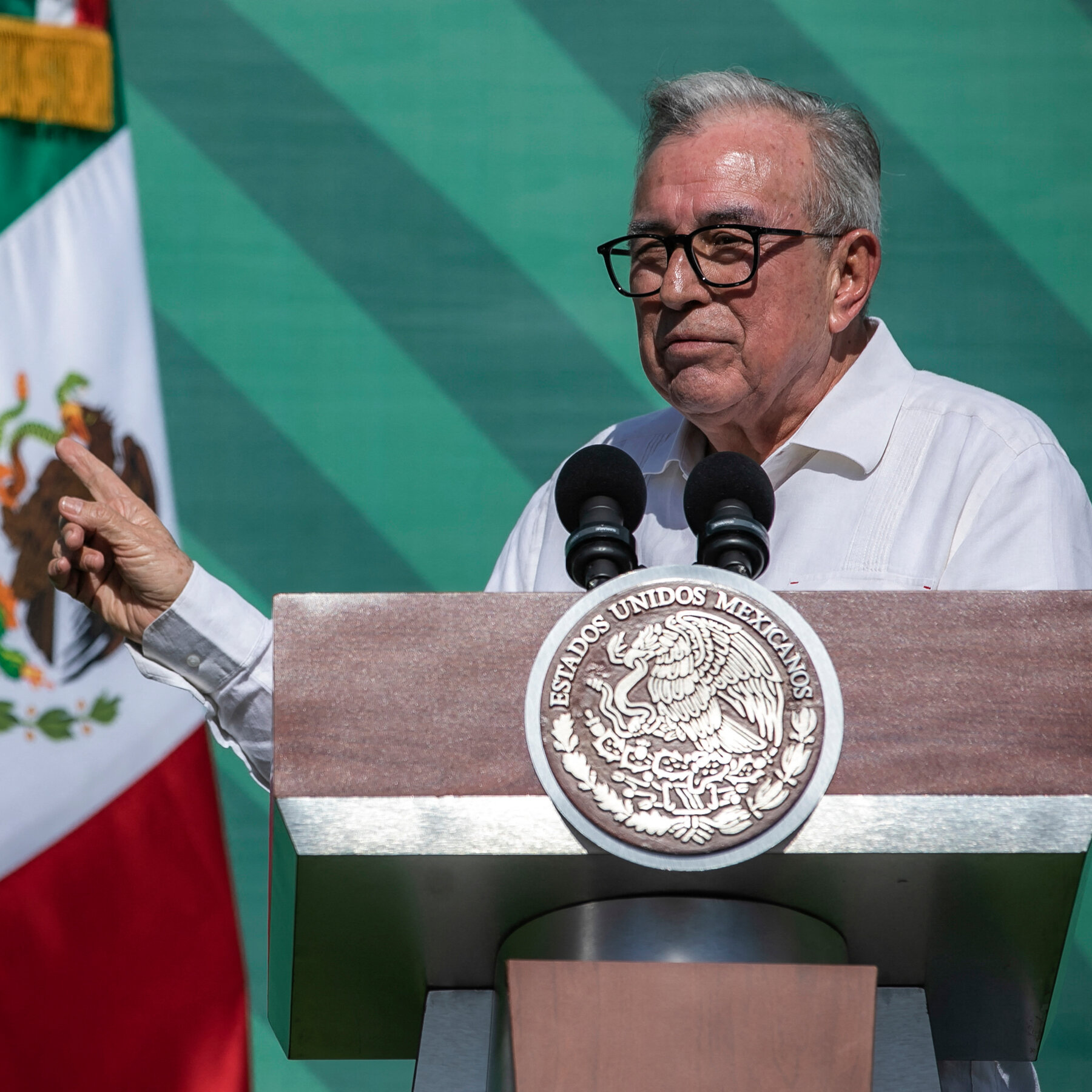
A significant political upheaval has gripped a Mexican state following serious accusations leveled by U.S. prosecutors. These allegations suggest that a sitting state governor was deeply involved in illicit dealings, specifically being accused of providing protection and support to a major drug trafficking organization. The gravity of the claims, which involve allegations of accepting substantial bribes in exchange for this alleged protection, has triggered a major national scandal, forcing the individual in question to step down from his gubernatorial post.
The situation highlights a deep corruption nexus within local governance, where the lines between political leadership and organized crime appear to have become dangerously blurred. The focus of the controversy centers on the accusation that the governor actively shielded members of one of Mexico’s most notorious criminal syndicates. Such high-level involvement in drug trade operations, if proven true, represents a profound failure of institutional oversight and the rule of law within the state.
This sudden departure from the highest executive office in the state has immediate political ramifications. It signals a rapid and dramatic shift in the regional power balance, creating a vacuum of leadership that political actors and security elements will race to fill. The fallout from these federal accusations suggests that the pressure to clean up perceived corruption at the highest levels of state government is reaching a critical point.
What This Means: Deterioration of State Authority
The implications of these accusations extend far beyond the immediate political vacuum. When a state governor is credibly accused of facilitating criminal enterprise, it undermines public trust in the government’s ability to maintain order and enforce law. For the region, this points to institutional decay, suggesting that certain elements of the local power structure may have been compromised by financial incentives derived from illegal activities. Experts suggest that such revelations require comprehensive, independent investigations to restore any semblance of judicial impartiality and public confidence.
Background and Context: A Persistent Struggle for Governance
The relationship between powerful transnational criminal groups and local political figures has been a long-standing challenge to governance across Mexico. Historically, organized crime groups have sought to embed themselves within local power structures, using economic influence and corruption to mitigate law enforcement risks and ensure operational freedom. The current scandal reflects the ongoing tension between federal efforts to dismantle criminal networks and the deep-rooted capacity of local elites to maintain spheres of influence. The actions leading to the governor’s resignation underscore the intensity of scrutiny being applied by international bodies and federal prosecutors regarding the state’s security apparatus and economic stability.
Ultimately, the episode serves as a stark reminder that the fight against organized crime in the region remains a complex battle involving judicial integrity, economic transparency, and political accountability at every level of government.
About the Author