Cultural Immersion Rewarded: How Martial Arts Training Can Extend Stay in Thailand
A novel immigration pathway is emerging in Thailand, offering long-term residency options to visitors who choose to engage deeply with the country’s cultural heritage. Specifically, participants who commit to training in recognized ‘soft power’ activities, such as mastering the traditional Thai martial art, Muay Thai, are finding a new avenue to extend their time in Thailand. This shift positions cultural learning not just as a leisure pursuit, but as a legitimate component of residency planning.
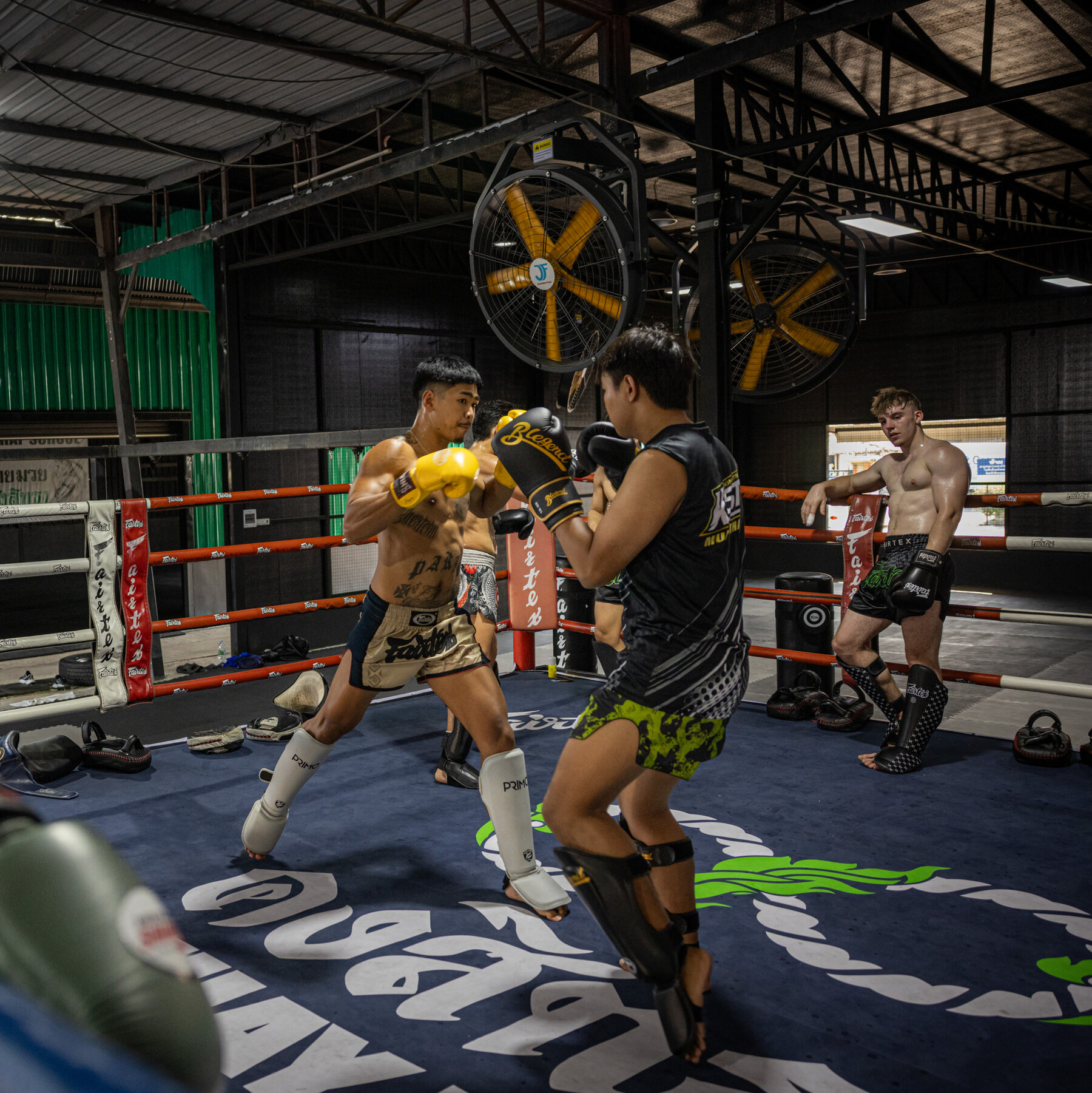
The mechanism allows individuals to apply for an extended period of stay—up to five years—by actively participating in structured educational programs centered on the martial art. Crucially, the nature of the required participation appears flexible, suggesting that the commitment required might be more focused on consistent attendance and learning than on extreme physical exertion. This adaptability makes the pathway appealing to a broader spectrum of international visitors.
Understanding the Program’s Appeal
The core appeal of this arrangement lies in its marriage of cultural enrichment with logistical benefit. For tourists or expatriates interested in authentic Thai experiences, the visa extension offers a substantial incentive to remain immersed in the local culture. Rather than relying solely on traditional tourist entry points, individuals can establish roots by pursuing physical and cultural mastery. Furthermore, the details suggest that participation is not mandatory at every level of intensity; for instance, sparring sessions can be treated as optional components of the training regimen, allowing students to progress at a pace suited to their individual fitness levels.
What This Means for the Global Community
This policy development signals a strategic shift in how Thailand views and manages international tourism and residency. By tying extended visas to hands-on cultural education, the nation is incentivizing deeper, longer-term engagement from foreign visitors. It reframes the visitor experience from that of a transient tourist to that of an active cultural apprentice. This model helps to spread economic benefits beyond typical tourist hotspots and into the specialized educational and wellness sectors.
Context: The Rise of Experiential Travel
This trend aligns with a global movement favoring experiential travel over simple sightseeing. Modern travelers increasingly seek activities that promise personal growth or deep cultural knowledge. For Thailand, making a recognized, physical art form like Muay Thai central to immigration status provides a tangible, marketable attraction. It capitalizes on the global appreciation for the art’s history and discipline, offering a structured way for foreigners to gain genuine skill while legally establishing a longer tenure in the country. The focus remains on education and participation as the primary anchors for the extended visa status.
About the Author