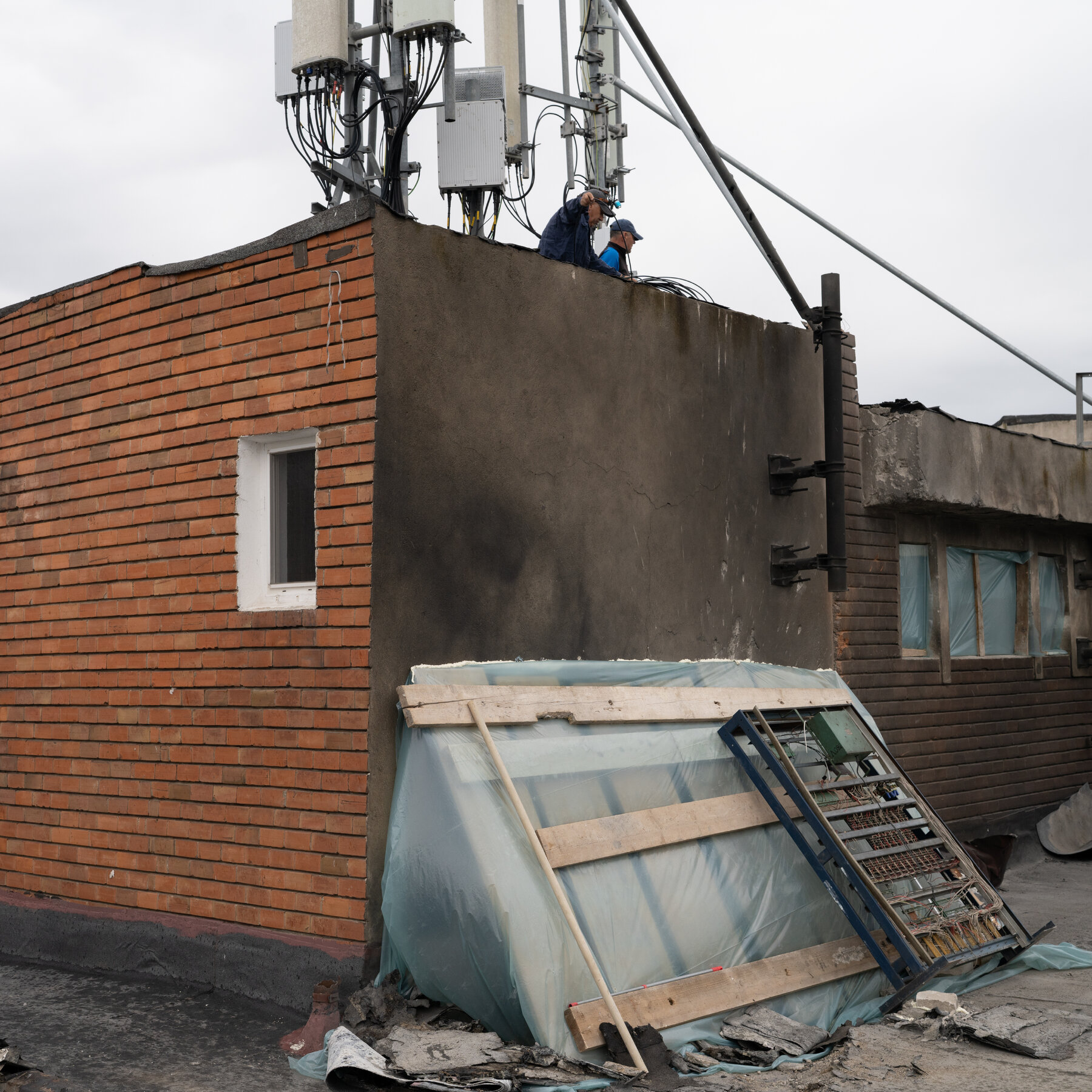
Aerial Threats Loom Over Romanian Communities Amid Escalating Regional Tensions
Recent incidents involving aerial debris striking civilian areas in eastern Romania underscore the immediate and tangible danger posed by geopolitical conflict spilling over into neighboring territories. The impact of a drone hitting an apartment building highlights how far-reaching the instability radiating from the ongoing war in Ukraine can be. These events force local populations to confront the harsh reality that conflict zones are no longer distant headlines but potential dangers right above their neighborhoods.
The occurrence of such mishaps in densely populated residential areas immediately raises serious concerns regarding civil safety and infrastructure vulnerability. Such incidents challenge the sense of security that residents expect, transforming daily life in border regions into a state of heightened alertness. Authorities and community members are now navigating a period where the potential for accidental or intentional aerial bombardment looms as a constant background risk.
What This Means for Civilian Life
The immediate significance of these events is a sharp reminder of the precarious nature of life near active conflict theaters. For Romanian residents, this translates into an increased necessity for emergency preparedness, updated civil defense protocols, and community vigilance. The threat is not merely military; it encroaches directly upon civilian life, property, and the fundamental right to safety within one’s own home.
Furthermore, these incidents place considerable strain on national security resources, requiring constant monitoring and rapid response capabilities. It compels national strategies to pivot towards protecting civilian populations from unconventional and unpredictable sources of danger, suggesting a needed evolution in border defense doctrines to account for aerial threats beyond traditional combat patterns.
Context of Border Security
Geopolitically, Romania’s position lends it inherent strategic importance, making its airspace and infrastructure points of interest to various global actors. As the conflict in Ukraine continues to evolve, the pattern of aerial activity—including the use of drones, military hardware, and debris—has become more diffuse, reaching far beyond the declared front lines. These instances suggest that the battle space is widening, creating a zone of elevated risk across an expanded geographical radius.
The recurring nature of such dangers suggests a period of sustained heightened tension, rather than isolated incidents. National discussions and official advisories are likely focusing on long-term mitigation strategies—ranging from implementing advanced early warning systems to establishing robust civilian shelters and communication networks—to better insulate communities from the collateral fallout of international hostilities. The resilience and preparedness of the local population are, therefore, becoming as crucial a component of national security as advanced military hardware.
About the Author




