Electoral Crossroads: Examining the Political Dynamics Shaping Colombia’s Presidential Race
Colombia is poised at a significant political juncture, with its upcoming presidential election set to serve as a critical barometer for the political direction of Latin America. The contest features a dynamic matchup between established progressive forces and a rapidly emerging figure from the political far-right. The initial polling data suggests a lead for the leftist candidate, signaling a continued appeal to the center-left base of the electorate.
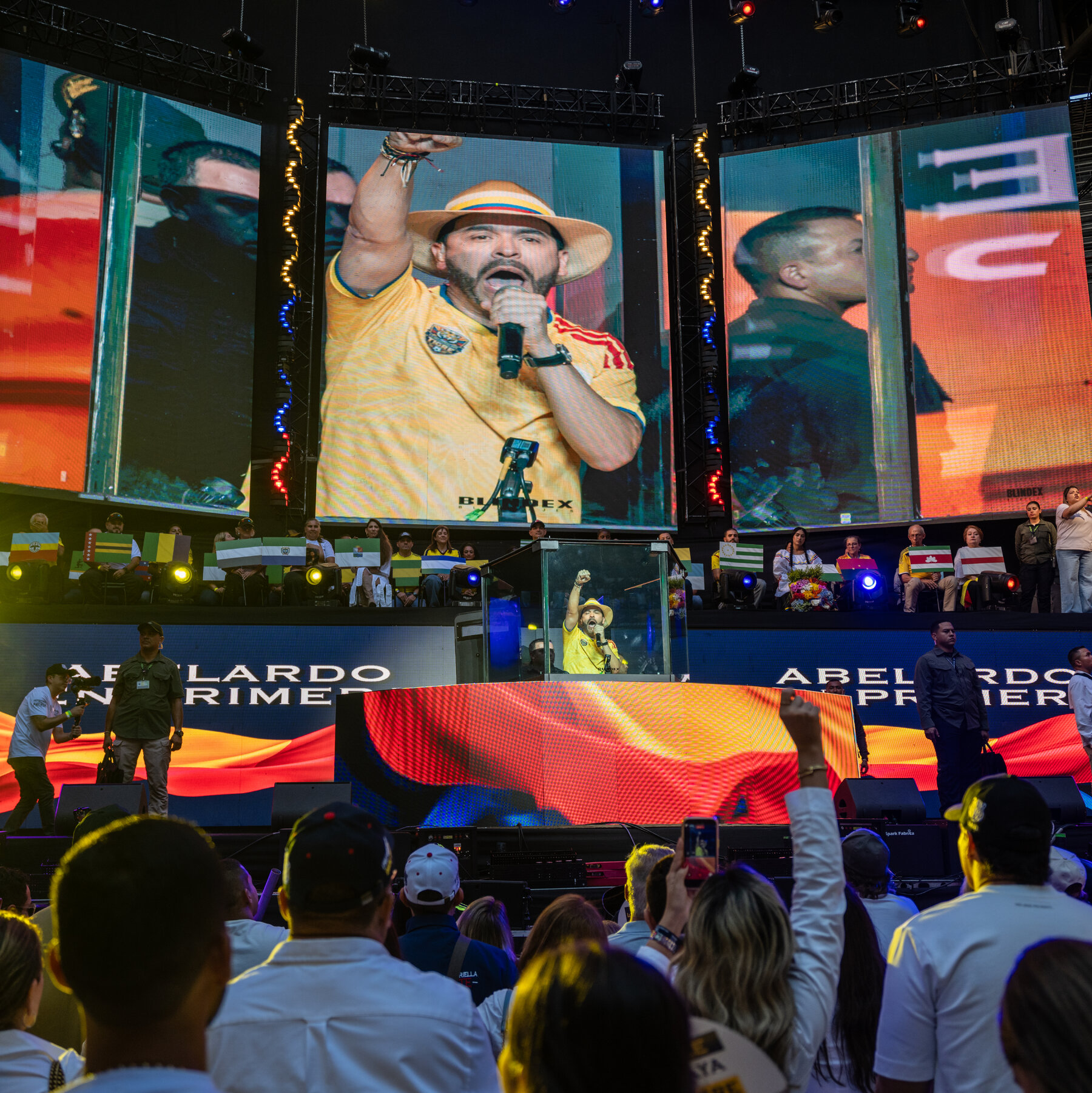
However, the political landscape is proving far more complex than simple frontrunners indicate. A key factor disrupting traditional political alignments is the strong ascent of a challenger positioning himself as an outsider with distinctly right-wing credentials. This individual has managed to capture significant attention and build momentum, challenging the established order and forcing political blocs to reassess their core strategies and appeal to a broader spectrum of voters.
The Significance of the Vote
The outcome of this election is widely viewed by political analysts as more than just a national transition; it represents a potential litmus test for the prevailing ideological currents across the region. Should the leftist agenda consolidate power, it could signal a renewed wave of progressive governance in the hemisphere. Conversely, a significant shift toward the right, driven by populist anti-establishment sentiment, would suggest a deeper fracturing of the traditional political consensus that has characterized much of modern Latin American governance. The mandate received by the winner will carry substantial weight in determining economic policy, social reforms, and the overall relationship between the state and its citizenry for years to come.
Shifting Alliances and Political Messaging
The nature of the rivalry between the primary contenders is forcing a recalibration of political messaging across the board. While the leading leftist candidate is expected to campaign heavily on platforms emphasizing social equity and governmental intervention to address persistent socio-economic disparities, the far-right challenger is effectively mining support by criticizing the status quo from multiple angles. His appeal seems to resonate with segments of the population feeling disenfranchised by established political norms, regardless of those norms’ actual ideological leanings.
This dynamic tension—between the promise of deep systemic reform offered by the left and the disruptive, populist energy of the right—creates a volatile electoral environment. Voters are presented with a choice that forces them to weigh ideological commitment against the allure of change. Observers suggest that the intensity of this competition underscores a deep, underlying instability within the country’s political foundations, making the election a fascinating, yet high-stakes, event for the entire continent.
About the Author




