Sinaloa Governor Faces Serious Accusations of Collusion with Major Drug Cartel
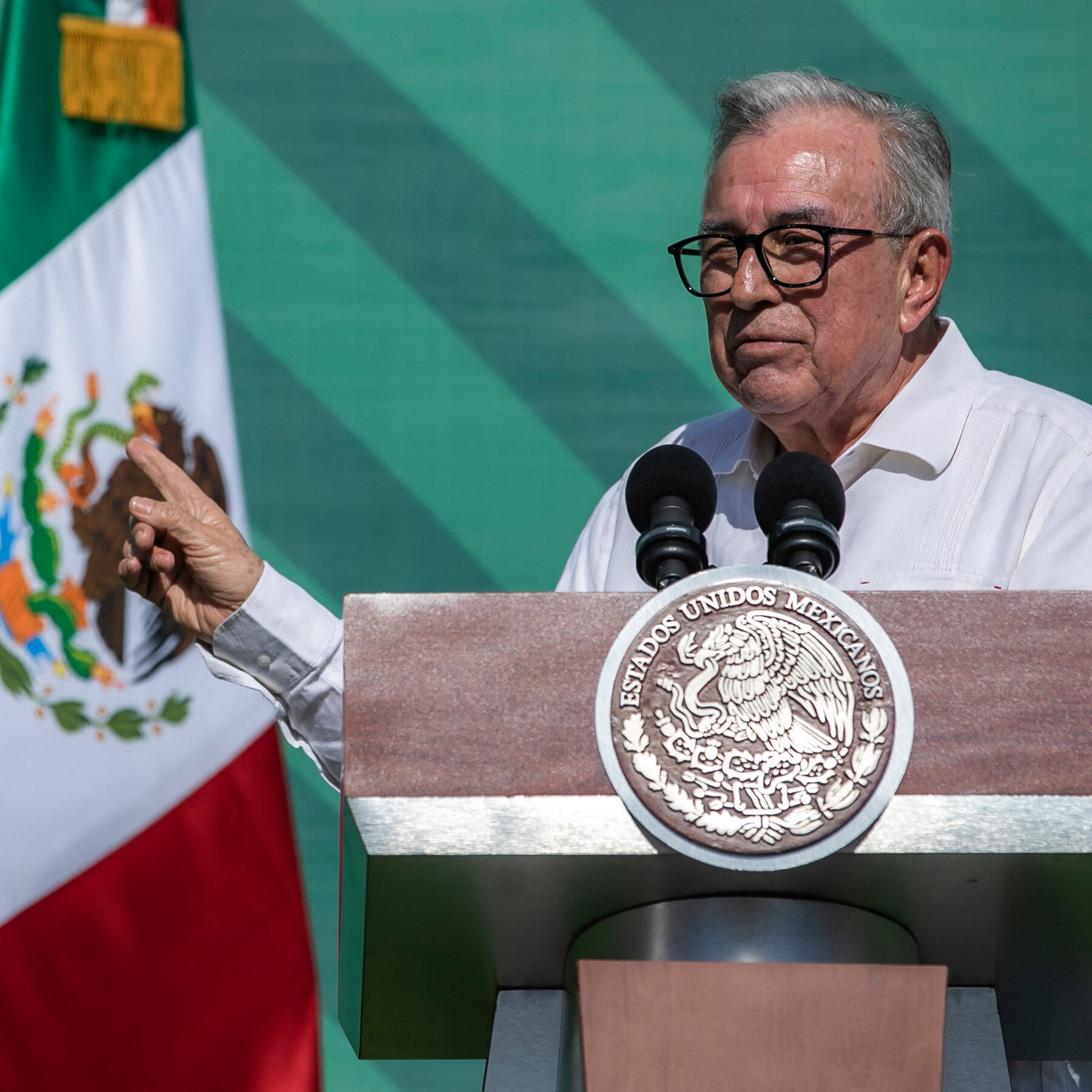
Legal proceedings have brought to light severe accusations against Mexican state officials, notably the Governor of Sinaloa. Prosecutors have formally indicted regional leadership, alleging involvement in an extensive and protracted conspiracy. The core of the allegations centers on a pattern of misconduct suggesting that high-ranking governmental figures worked in coordination with one of Mexico’s most formidable criminal organizations, the Sinaloa cartel.
These charges move beyond simple association; they suggest a coordinated effort spanning multiple years to safeguard the interests and operations of the cartel within the region. The indictment paints a picture of systemic failure and potential complicity, implicating not only the governor but also other associated governmental figures who are accused of enabling the criminal enterprise through official means and inaction.
What This Means: Implications for Governance and Law Enforcement
The gravity of these allegations strikes at the heart of the rule of law within the state. When state leadership is accused of conspiring with organized crime, it suggests a deep infiltration into official governance structures. If substantiated, such findings would imply that local governmental mechanisms were actively compromised, undermining public safety efforts and hindering legitimate efforts to curb drug trafficking. The outcome of these legal actions will be crucial in determining the level of institutional decay or external influence within the state’s political and security apparatus.
For law enforcement agencies and federal authorities, this situation presents a significant challenge. It requires intense scrutiny to separate elements of genuine corruption from deep, calculated collusion. The scope of the alleged conspiracy implies that any investigation would need to examine multiple layers of state interaction with criminal actors, demanding resources and expertise far beyond typical anti-corruption efforts.
Background and Context of the Investigation
The focus on Sinaloa is particularly potent given the historical and ongoing presence of the cartel in the area. The region has long been a critical point of transit and operation for various illicit activities. Authorities investigating these matters are looking at evidence suggesting that the protection afforded to the cartel was not incidental but rather part of a deliberately constructed system. Official statements indicate that the prosecution is building a case that details how state resources, whether intentionally or negligently, were utilized to maintain the cartel’s operational space and influence.
The proceedings underscore the persistent battle between state authority and powerful transnational criminal organizations. These types of high-profile indictments often force a national reckoning regarding the integrity of local administrations, prompting broader discussions about accountability, judicial oversight, and the mechanisms required to insulate democratic governance from criminal pressure.
About the Author