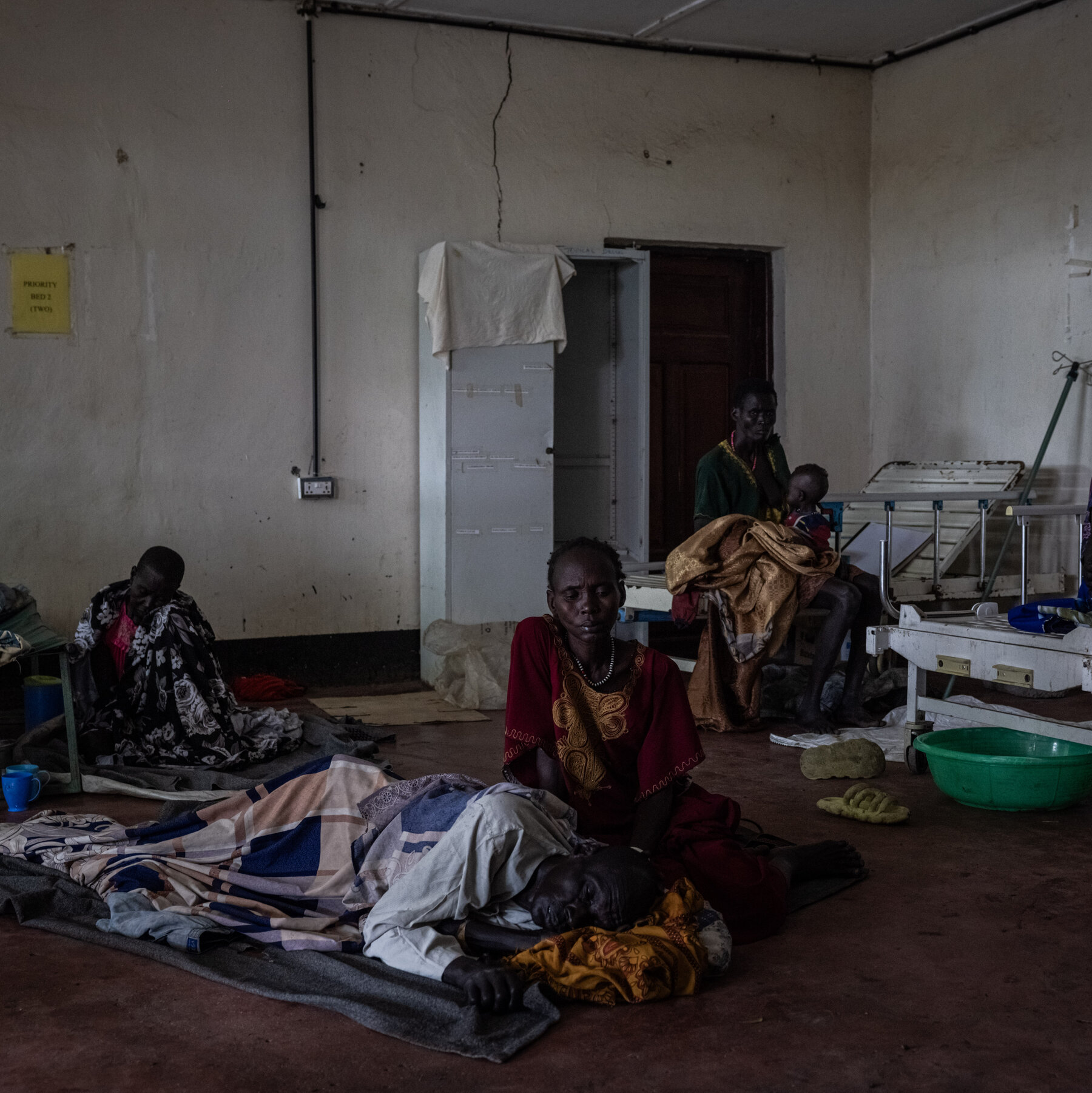
Analyzing Emerging Health Threats in South Sudan’s Akobo
While the primary concerns for residents in the Akobo area of South Sudan revolve around persistent food insecurity and ongoing regional conflict, a growing public health risk—the potential for an Ebola outbreak—adds a layer of complexity to the humanitarian crisis. The convergence of severe underlying stressors, such as malnutrition and civil unrest, significantly heightens the vulnerability of the population to infectious disease outbreaks. Health authorities are keenly aware that instability does not diminish biological risk; rather, it creates perfect conditions for pathogens to spread.
The situation in Akobo demands a multi-faceted approach to aid and stabilization. Since the population is already grappling with the immediate survival needs related to sustenance and physical safety, the introduction of a highly contagious disease like Ebola presents a threat that could overwhelm already fragile local health infrastructure. Effective intervention requires addressing the root causes of vulnerability—conflict and famine—while simultaneously bolstering disease surveillance and preventative medical countermeasures.
The Implications of Compounding Crises
The potential for an Ebola scare in a context already marked by endemic instability carries profound implications for recovery efforts. When communities are fighting for basic resources, their capacity to adhere to complex public health mandates—such as quarantine, rigorous sanitation practices, or coordinated vaccination drives—is severely limited. Reports suggest that displacement, often a direct result of conflict, forces populations into overcrowded, unsanitary conditions, which are ideal vectors for the rapid transmission of viruses. Therefore, mitigating a potential outbreak requires not only medical supplies but also an intensive effort to stabilize living conditions.
Understanding the Risk Dynamics
The heightened risk level in Akobo stems from a confluence of factors rather than just the presence of a specific virus. Prolonged malnutrition compromises the immune systems of entire demographics, making them less capable of fighting off infection. Furthermore, conflict zones frequently see the disruption of routine healthcare services, leading to lapses in vaccination coverage and general public health awareness. Official assessments indicate that such fragile environments necessitate an elevated state of readiness for epidemic control, ensuring that emergency medical teams and appropriate protective equipment are prepositioned before a crisis escalates.
Contextualizing the Need for Comprehensive Support
Addressing the health risks in Akobo must therefore be integrated into a broader strategy that tackles the deep-seated determinants of poor health. This includes promoting food resilience through sustainable agriculture initiatives and facilitating mechanisms for humanitarian aid delivery that can operate safely amidst volatile security environments. By stabilizing the food supply and restoring basic governance structures, the window of opportunity to prevent a public health disaster can be significantly widened, protecting the population from the dual threats of famine and epidemic disease.
About the Author




