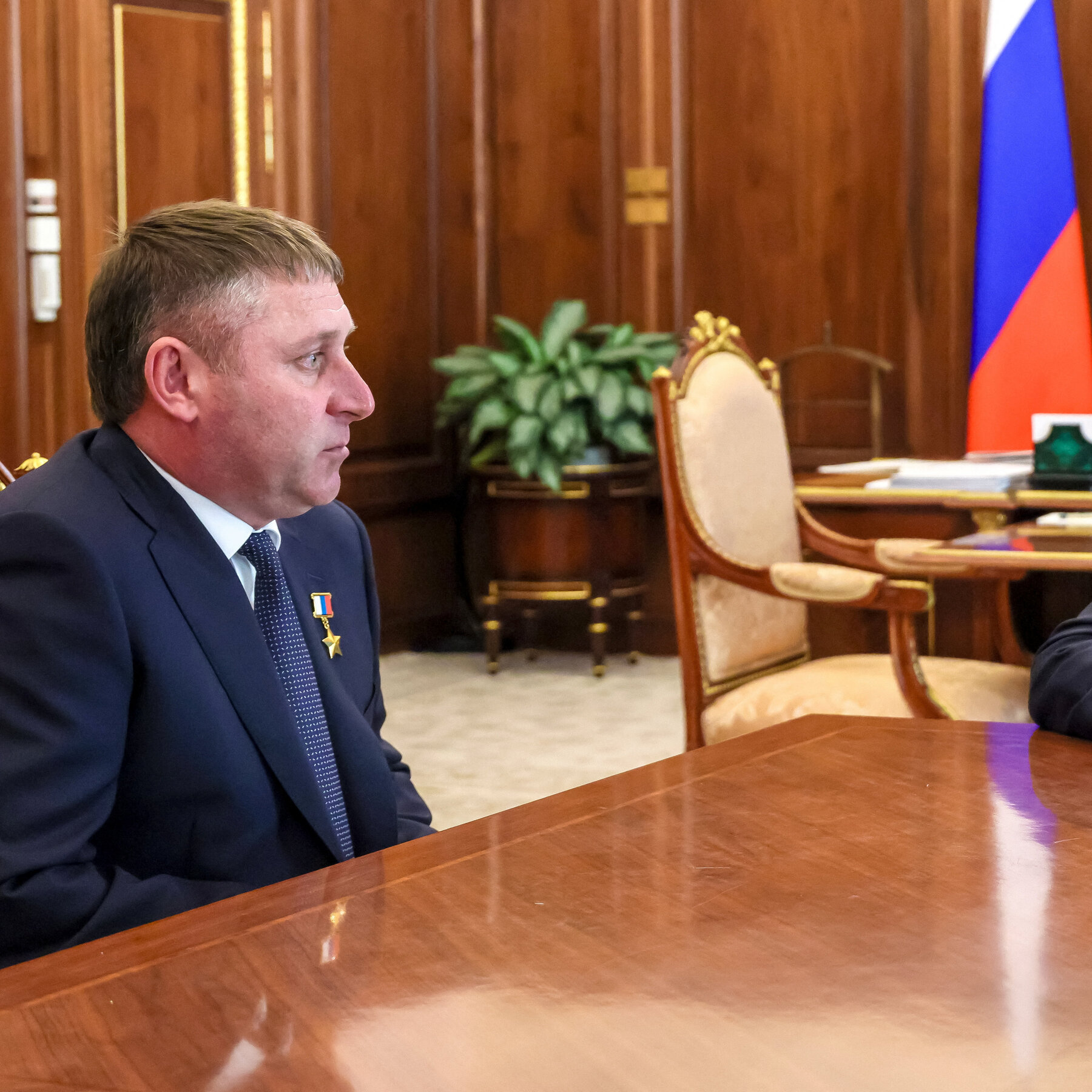
Putin’s Consolidation of Power: Rewarding Military Service Through Political Appointments
The Kremlin appears to be undertaking a significant reorganization of its political and administrative structures, a notable trend centered on integrating high-ranking military personnel into civilian governance. Rather than adhering to traditional bureaucratic appointments, the focus is increasingly shifting toward individuals who have demonstrated commitment and operational experience within the armed forces. This systemic move suggests a strategic effort by the leadership to embed loyalists and figures connected to the military apparatus into critical administrative positions across various regions of the country.
These appointments are interpreted by analysts as more than simple accolades for wartime service. They represent a calculated effort to solidify the regime’s support base by intertwining political authority directly with military allegiance. By elevating veterans—often commanders—to governorships and regional leadership roles, the administration ensures that key regional decision-making processes are overseen by those whose primary loyalty and skillsets are tied to the current security and military establishment. This pattern is reshaping the traditional balance of power between civilian bureaucracy and military influence at the highest levels of regional government.
What This Means for Governance
The implication of these appointments is a structural deepening of military influence within civil governance. When military leaders assume governorships, the operational mindset—one emphasizing hierarchy, discipline, and centralized command—is likely to permeate local administration. This consolidation suggests a desire to streamline decision-making in the regions, potentially prioritizing adherence to directives emanating from the central, security-focused core of government. It signals a period where military vetting and background become paramount considerations when selecting regional administrators.
Context and Background
This pattern of rewarding military loyalty with political capital is not unprecedented in regimes that experience periods of intense conflict. Historically, such transitions occur when the ruling power needs to guarantee stability and unwavering support following protracted or high-stakes conflicts. In the current geopolitical environment, which has seen sustained military operations, the perceived threat level remains high. Therefore, ensuring that regional power centers are managed by individuals whose commitment was forged in combat environments offers the Kremlin a perceived guarantee of loyalty that civilian political appointments cannot always match. Official statements indicate this strategy is designed to project an image of unified national purpose, where service to the state, particularly through defense, is the highest form of civic duty deserving of the highest reward.
Furthermore, the elevation of these figures suggests a belief in the transferability of military leadership skills—strategic planning, resource management under duress, and decisive action—to complex civilian roles. This narrative frames the war effort not merely as a military venture, but as a proving ground for future national administrators, thus tying the perceived legitimacy of the ruling structure directly to martial success.
About the Author




