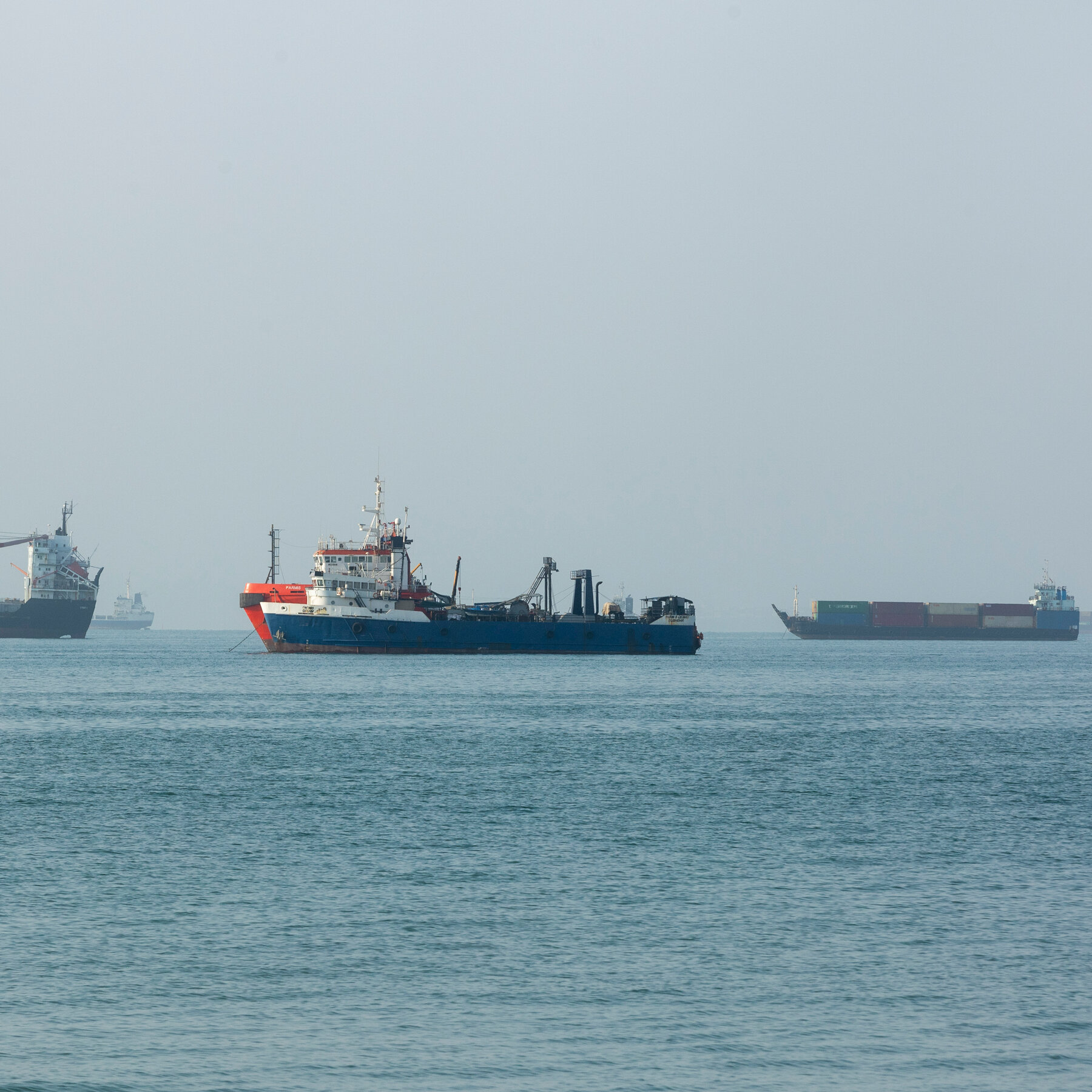
Strategic Military Engagements Near Iranian Ports Draw Focus
Recent military activity has drawn international attention following reports of renewed strikes in the southern regions of Iran. These operations, according to military officials, were specifically directed against infrastructure identified as potential threat vectors to international maritime traffic. The focus of the engagement was reportedly on missile sites situated close to a significant port facility in the area.
The reported targeting suggests a strategic posture aimed at neutralizing capabilities perceived as jeopardizing the safe passage of vessels, including those operating under U.S. jurisdiction or in international waters traversing the Gulf area. Such actions underscore the ongoing military tension and the perceived need to maintain freedom of navigation in critical global trade routes.
The Implications for Regional Stability
The decision to strike at missile infrastructure near vital ports carries considerable weight for regional stability. Such military deployments heighten the risk of escalation, as they directly engage with established military and industrial capabilities. For global commerce, the area’s stability is paramount, given the volume of goods and energy transported through these passages. Therefore, any military action significantly alters the operational risk profile for maritime industries and international powers.
Understanding the Strategic Importance of Coastal Facilities
Coastal ports are not merely points of cargo transfer; they are integral nodes in global supply chains and strategic military networks. When missile sites are located adjacent to these hubs, the dual nature of the location becomes highly sensitive. Officials emphasize that the objective appears to be degrading the threat emanating from the landward infrastructure, thereby safeguarding maritime transit lanes that are essential for global economic activity.
Contextualizing the Ongoing Military Posturing
The reported strikes must be viewed within the broader context of ongoing regional security dynamics. Maintaining open, secure waterways remains a core interest for several global stakeholders. The nature of the targets—missile deployment sites—points toward a focus on preemptive deterrence or counter-capability measures against what are viewed as hostile military projections from the Iranian side. This signals a continuation of high-tension military posturing aimed at establishing clearer maritime boundaries of operation and ensuring the safety of global commercial arteries passing through the region.
About the Author




