Manipur’s Persistent Crisis: Examining Deep-Rooted Instability Years After Upheaval
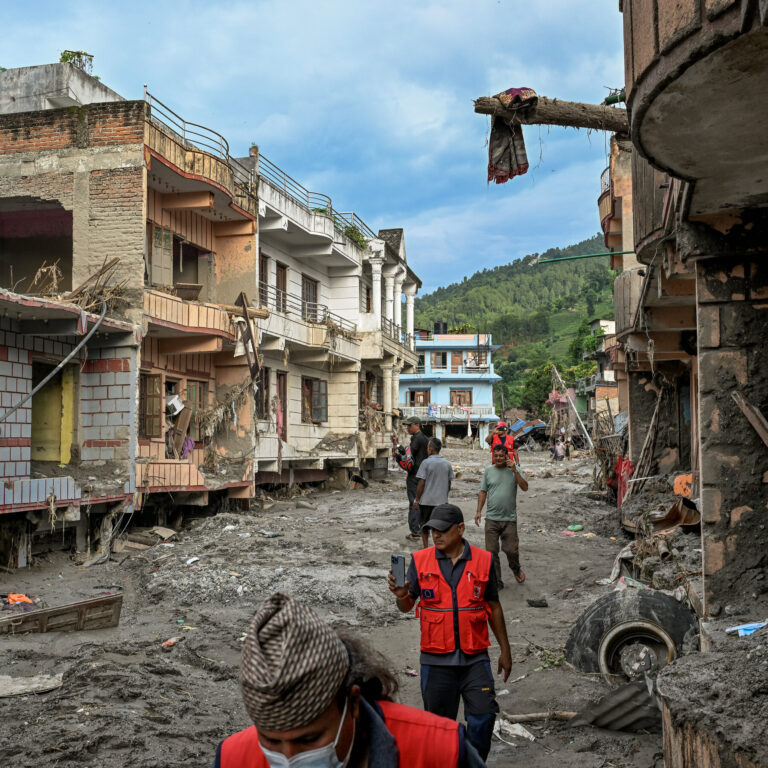
Despite significant time passing since intense periods of violence rocked the region of Manipur, the state continues to exhibit profound signs of internal disruption. The deep fissures that split the community fabric have not easily healed, leading to an environment characterized by persistent uncertainty and difficulty in normal civilian life. Reporting on the area reveals a landscape still heavily impacted by the aftermath of the civil unrest, suggesting that the core issues driving division remain unresolved at the ground level.
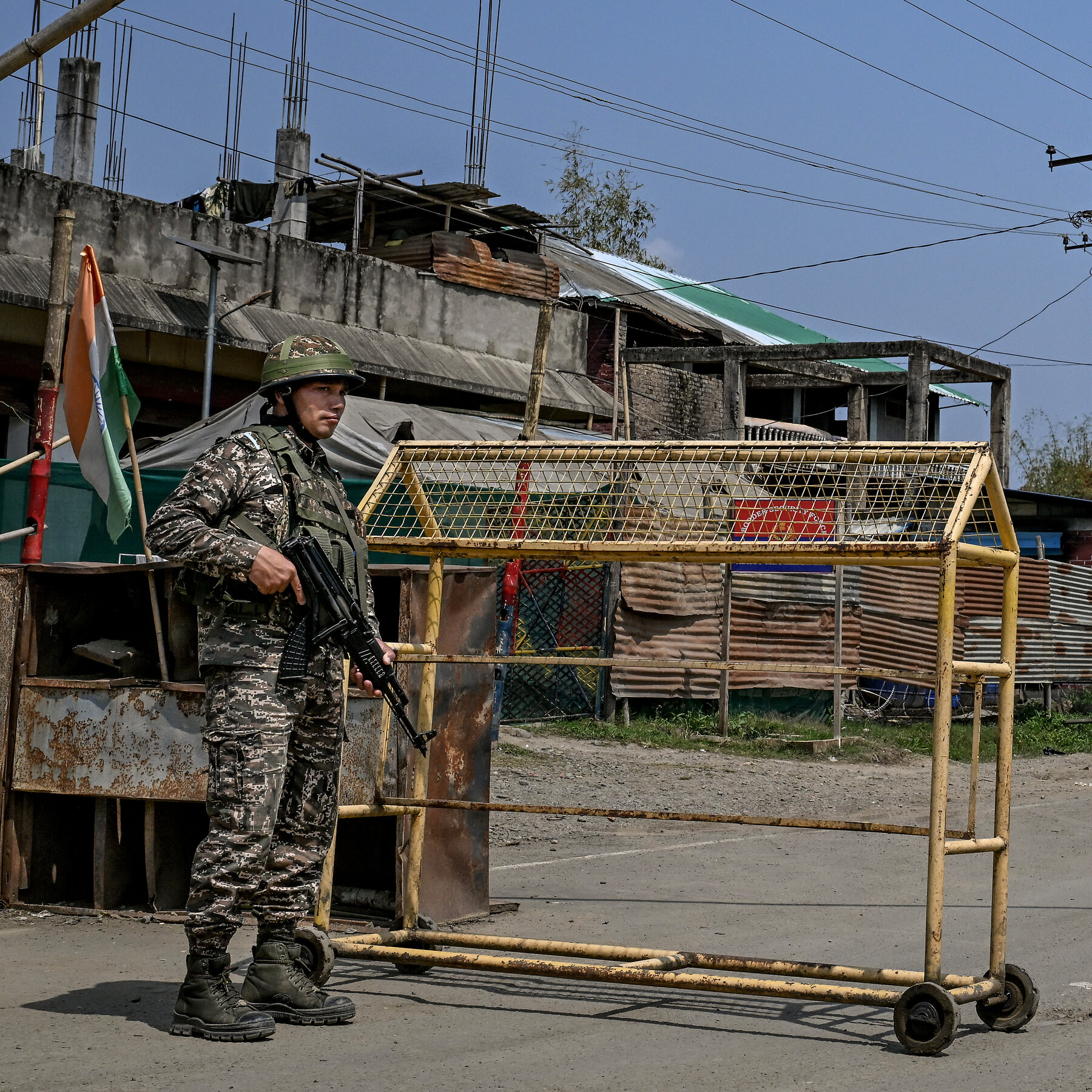
The physical infrastructure and daily movements of residents are still noticeably constrained. Reporting teams attempting to document the current situation faced significant obstacles, pointing to lingering security measures and a pervasive sense of tension across the state. These factors combine to create an environment where everyday navigation and reporting on local life are complex endeavors, far from the stability expected in a region moving toward normalcy.
What This Means: The Challenge of Reconciliation
The enduring instability suggests that the conflict has moved beyond acute, visible outbreaks into a chronic state of systemic fragility. For the region to regain stability, efforts must address more than just visible security breaches; they must tackle the underlying societal fault lines. The sheer difficulty in accessing areas suggests a breakdown of trust—a crucial component for rebuilding any society after conflict. Merely maintaining physical order is insufficient; there must be a concerted, multi-faceted approach to reconciliation that reaches the grassroots level to foster genuine mutual understanding.
Background and Context: A Lingering Shadow
The period of widespread conflict left a deep operational scar on the state. The sheer intensity of the earlier disruptions created a logistical nightmare, where normal movement was frequently curtailed by martial or semi-military checkpoints. This pattern of restriction indicates that the situation remains highly volatile. Official statements and local accounts alike point to a protracted struggle to return to a baseline of civilian life. The daily rhythms of the population are overshadowed by the memory and ongoing management of the conflict, making recovery a marathon rather than a sprint.
Ultimately, the resilience required to rebuild in Manipur extends far beyond the immediate crisis management. It demands the systematic restoration of connectivity—both physical and social—to allow the local populace to resume livelihoods and civic engagement without the constant shadow of threat. The narrative suggests that the path to lasting peace involves deep socio-economic repair alongside any security guarantees.
About the Author