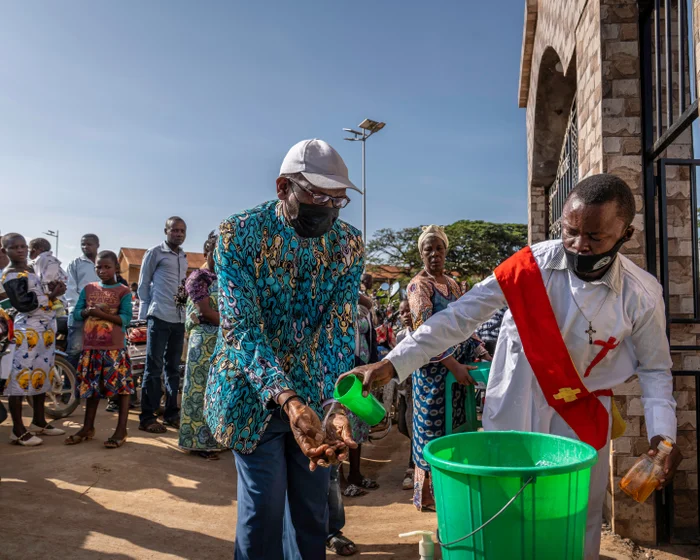
Alarming Mortality Rates Highlight Ongoing Crisis in DRC Ebola Outbreak
The World Health Organization (WHO) has issued significantly updated assessments regarding the Ebola outbreak within the Democratic Republic of the Congo (DRC). These new figures indicate a critical level of danger, estimating that the fatality rate among confirmed cases hovers alarmingly between 30% and 50%. This alarming data points to the sheer virulence of the pathogen in the region, emphasizing the immediate and severe nature of the public health emergency.
The announcement came amidst high-level international involvement, with the WHO Director-General visiting the country to bolster containment and response efforts. Health experts utilized the latest confirmed case data to recalculate the fatality estimates, resulting in the description of the mortality rate as ‘huge.’ These projections suggest that a substantial proportion of those infected face a very high risk of death.
The crisis underscores the immense strain placed on local healthcare infrastructure. Effective containment requires not only advanced medical countermeasures but also a stable security environment. Therefore, global health leaders have issued urgent appeals for de-escalation and ceasefires to ensure that medical teams and civilians can operate without threat from armed conflict or instability.
The Imperative for Immediate Action and Stability
The updated death rate calculation carries profound implications for public health strategy. When fatality rates approach this level, the focus must pivot immediately to minimizing transmission pathways and drastically improving access to robust supportive care. Beyond the biomedical challenge, the context of the outbreak is inseparable from the underlying social and security fragility of the region. International efforts must, therefore, adopt a dual mandate: aggressive epidemiological control alongside intense diplomatic engagement to secure operational safety for medical personnel.
This situation demands sustained commitment from the global community. Containing an outbreak of this magnitude requires more than just resources; it demands the cooperation of all parties involved to maintain public trust, adhere to strict protective measures, and allow healthcare systems to function unimpeded.
Contextualizing the Health Emergency
Outbreaks of highly virulent pathogens, such as Ebola, are complex events that rarely remain purely medical challenges. They are deeply interwoven with issues of civil stability, resource allocation, and public trust. Historically, the ability of health authorities to respond is severely hampered by conflict zones, where movement is restricted, and essential services break down. The WHO’s guidance reflects the understanding that reducing the death toll relies as much on achieving peace on the ground as it does on deploying vaccines or therapeutics.
The revised estimates compel international bodies to intensify coordination among various sectors—including humanitarian aid, security stabilization, and public health—to build a comprehensive shield against further spread and preventable loss of life within the affected communities.
About the Author




