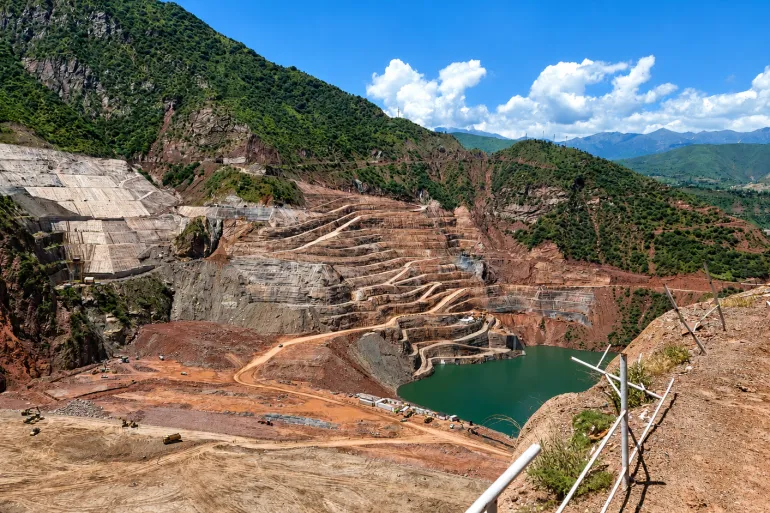
The sheer scale of the endeavor at the Rogun Dam site underscores a critical need for national development. Far from being merely a civil engineering feat, this massive undertaking represents a foundational pillar for Tajikistan’s future stability. For a nation grappling with challenging geography and unreliable power grids, the project promises to fundamentally alter the energy landscape. The ambition inherent in constructing such a monumental structure reflects a deep-seated desire to move beyond cycles of seasonal power shortages and achieve a reliable, consistent energy source for its populace.
This ambitious initiative, originally conceptualized decades ago, is now viewed by national leaders as central to the country’s viability and progress. The scope extends beyond simply powering local consumption; it incorporates the potential for generating surplus energy that could be traded with neighboring states. Successfully realizing this dam’s potential is thus portrayed not just as an economic boost, but as a matter of securing the nation’s overall quality of life and regional standing.
Travel to the construction zone itself offers a vivid depiction of this national pivot. The journey leaves the settled appearance of urban centers behind, guiding visitors through rugged, natural terrain marked by the relentless flow of the Vakhsh River. Along the path, the presence of massive construction machinery, heavy transport vehicles, and vast amounts of earthmoving material serves as a tangible testament to the relentless effort required to bring this vision to reality, signifying a massive industrial mobilization into a challenging natural setting.
About the Author




