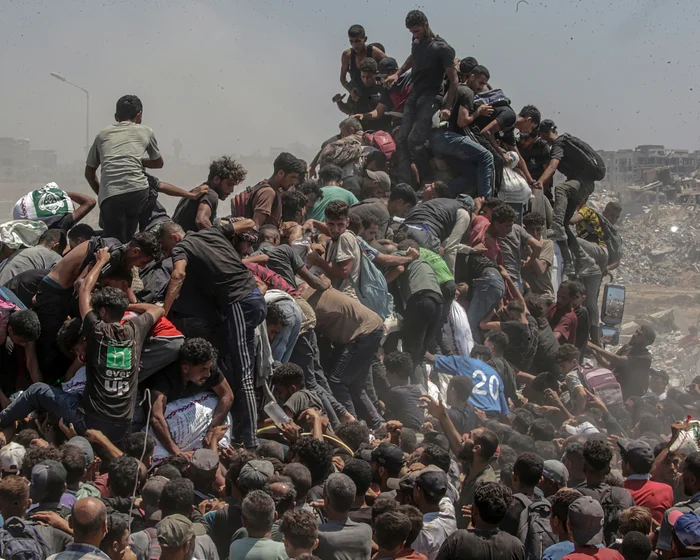
The Escalating Threat: How Conflict is Weaponizing Food Access
Contemporary armed conflicts are demonstrating a disturbing pattern of targeting essential human sustenance. New analyses indicate a dramatic escalation in actions designed not merely to disrupt fighting, but specifically to undermine the fundamental ability of civilian populations to feed themselves. This shift reveals a calculated strategy where food availability is treated as a frontline military objective, wielded as a direct instrument of warfare.
Over the past eight years alone, documentation points to more than 20,000 recorded instances of violence directly related to food security. These attacks are not limited to single, visible targets; they permeate the entire lifeline of civilian sustenance, striking markets, agricultural land, and the critical infrastructure responsible for delivering food supplies to populations trapped by conflict.
Understanding the Mechanisms of Deprivation
The scale of the recorded assaults highlights the breadth of this threat. Specific data reveals hundreds of documented assaults on marketplaces—the everyday points where families purchase groceries necessary for survival. Furthermore, systematic attacks against the networks responsible for moving food goods have been meticulously documented, including instances where essential workers maintaining these distribution channels have been killed. These actions collectively paint a picture of comprehensive economic warfare aimed at creating famine and desperation as strategic tools.
The Profound Impact on Civilian Life
When the sources of food are systematically attacked, the primary targets become the civilian populations themselves. This methodology creates a form of manufactured starvation, compelling communities into cycles of dependence and crisis. The resulting hardship extends far beyond mere caloric deficit; it dismantles social structures, exacerbates disease, and creates a humanitarian catastrophe of unprecedented proportions.
Context: Food Security as a Global Security Issue
Historically, starvation has been a tragic byproduct of conflict. However, the volume and specificity of these recent documented attacks suggest a more organized and intentional campaign. Food security is increasingly recognized by international bodies not just as a matter of humanitarian concern, but as a core pillar of global stability. When armed groups or state actors gain the capacity and incentive to weaponize food supply chains, it presents a massive challenge to international law and peacekeeping efforts.
Looking Forward: International Response
The evidence compiled suggests that current international humanitarian frameworks must adapt rapidly to address this specific form of aggression. Preventing future atrocities requires not only condemnation of violence but establishing clear, enforceable protective doctrines for agricultural assets, civilian markets, and food distribution personnel. The pattern of violence demands a global focus on accountability for those who weaponize basic human necessity.
About the Author




