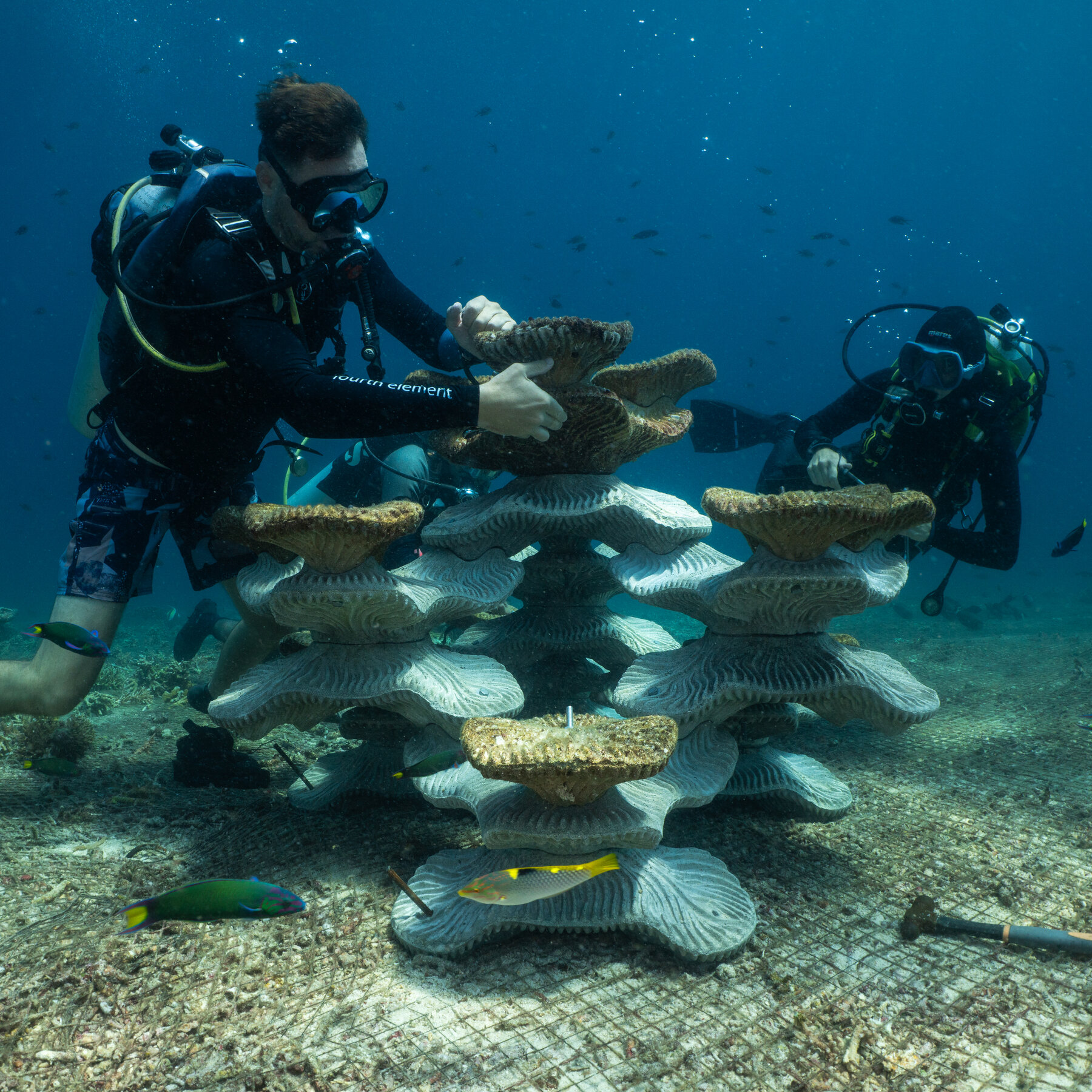
The resilience of coral reef ecosystems, which face compounding threats from military conflict, pollution, and shifting climate patterns, is being addressed by pioneering restorative techniques. Conservation efforts are taking root in severely damaged areas, such as parts of the Coral Triangle in the Pacific Ocean. Rather than relying solely on natural recovery, specialized groups are deploying engineered structures designed to act as artificial substrates, aiming to kickstart the regrowth of vital marine habitats.
These engineered concrete molds and artificial frameworks are more than mere placeholders; they represent a carefully planned intervention into the ecological cycle. The concept centers on providing a stable, foundational surface for coral larvae and organisms to attach to, especially where the original reef structure has been decimated by destructive events. By mimicking the complexity and stability of natural reef formations, these interventions seek to create viable nursery grounds that can support biodiversity and promote the return of healthy coral life.
Developing and deploying these advanced rehabilitation methods requires significant scientific understanding of reef biology and marine engineering. Researchers are optimizing the composition and physical structure of these molds to ensure they promote, rather than inhibit, the natural colonization process. The ultimate goal is to create self-sustaining reef systems that can withstand increasing environmental pressures while gradually rebuilding the biodiversity that was lost.
About the Author