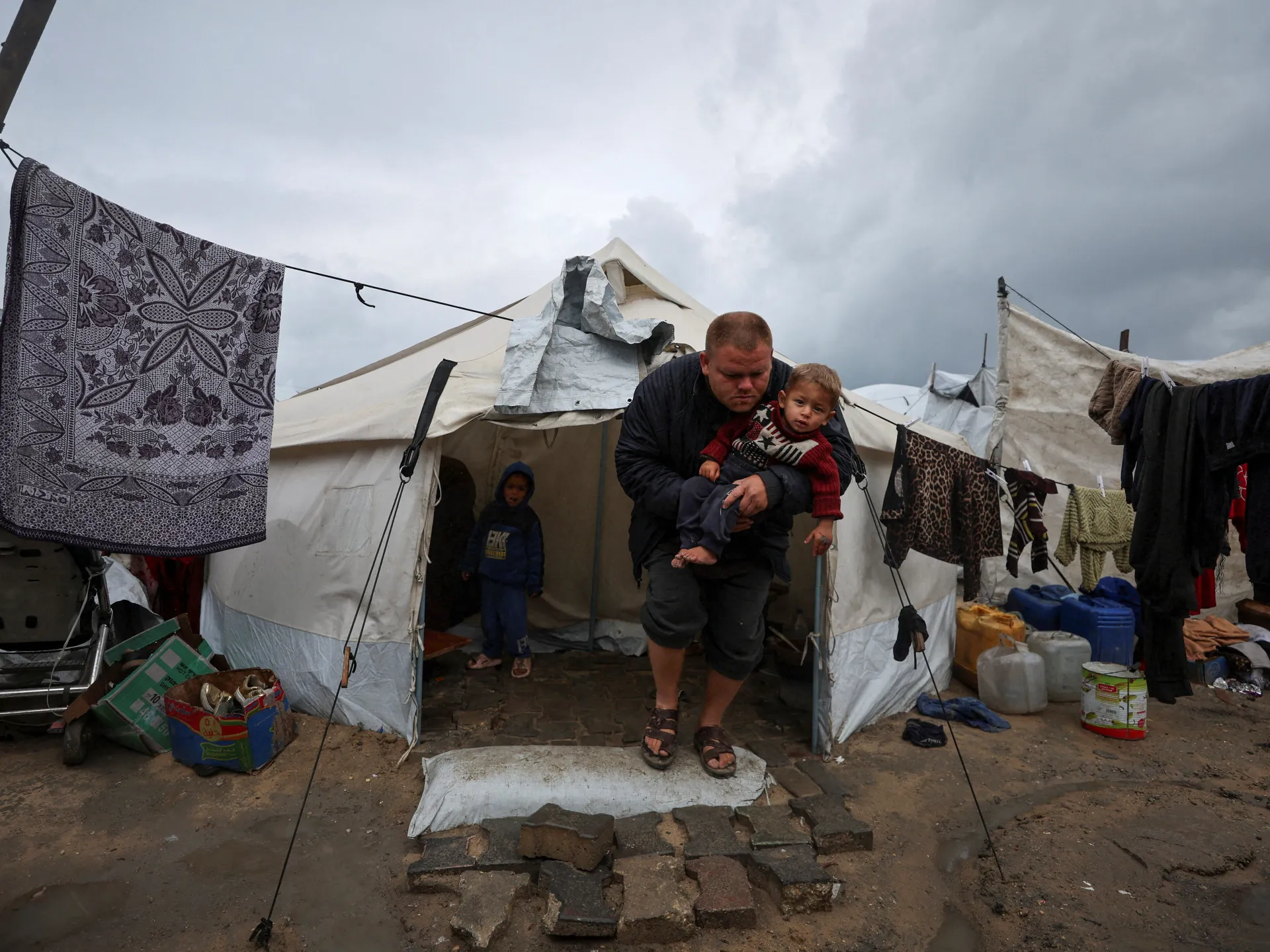
The humanitarian situation within Gaza is being significantly compounded by a surging outbreak of skin diseases across crowded displacement camps. Health organizations are raising alarms as the confluence of high population density, inadequate sanitation infrastructure, and approaching summer heat is creating ideal conditions for contagious illnesses. Reports indicate a dramatic escalation in infections such as scabies and chickenpox, placing immense strain on already overwhelmed local medical resources and demanding urgent external intervention.
Healthcare providers on the ground are noting alarming trends, with the incidence of these skin ailments reportedly tripling in recent months within UN-managed shelters. The challenge is magnified by severe logistical constraints. Efforts to manage outbreaks, which require vast supplies of hygiene materials, pesticides, and specialized medical equipment, are continuously hampered by restricted access and ongoing blockades affecting essential imports into the territory.
***
### What This Means: A Looming Health Emergency
The current spike in skin infections suggests a critical tipping point for public health in Gaza. Without immediate intervention supplying necessary prophylactic and treatment materials, the potential for the outbreak to worsen substantially—especially as temperatures rise—is extremely high. The reliance on makeshift remedies, as some displaced residents are forced to adopt, indicates a profound failure of routine public health systems. This escalating crisis underscores the dire need for unrestricted humanitarian access to medical supplies and sanitation chemicals to prevent a massive, widespread health emergency impacting thousands of vulnerable civilians.
### Background and Context: Cumulative Strain on Civilian Life
The population living in densely packed shelters faces multiple overlapping crises. Beyond the immediate health threat, the general living conditions—including proximity to waste management challenges and severe overcrowding—exacerbate the spread of all forms of disease. Past outbreaks have shown the extreme vulnerability of the population, with prior surges in skin conditions affecting hundreds of thousands of people. This ongoing difficulty is directly linked to the severe limitations placed on the region’s ability to secure and import vital necessities, meaning local health efforts, such as the mass disinfection of temporary shelters, are severely curtailed by material shortages, leaving vast areas untreated and susceptible to further transmission.
About the Author




