Assessing England’s Path to 2026: Talent, Tactics, and the Road to Wembley
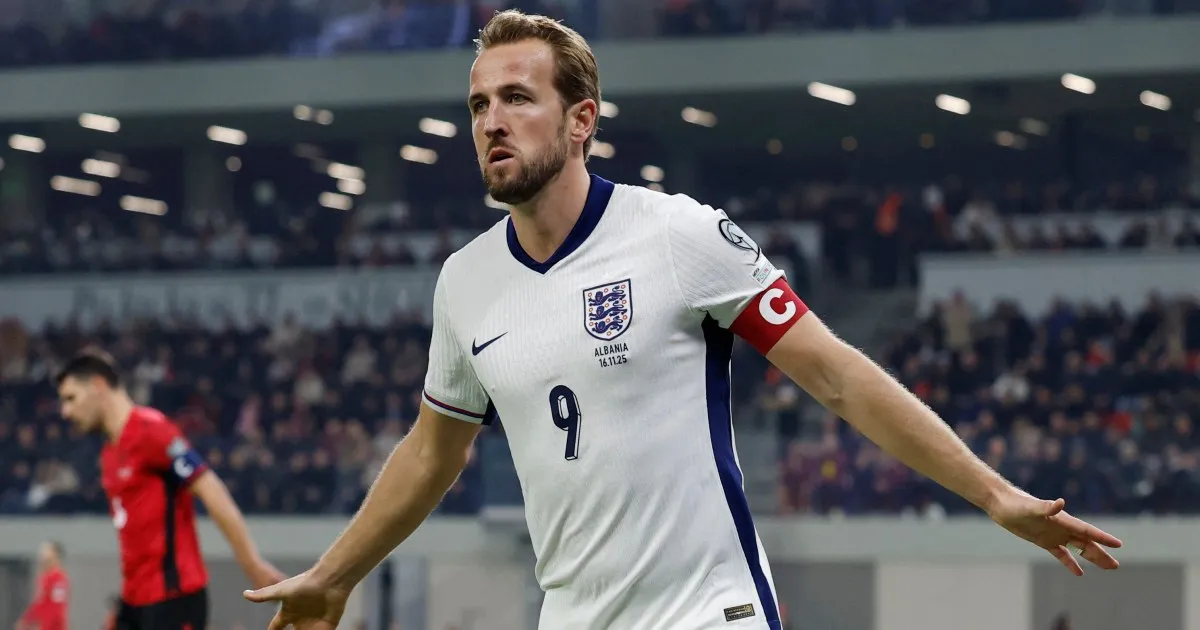
As the 2026 World Cup approaches, the focus on the England national team is intense. While the squad successfully navigated their qualifying campaign—becoming one of the first European nations to secure their place—the build-up has raised significant questions among observers. Concerns are emerging not just over the competitiveness of their recent group stages, but also over the tactical clarity and depth within the squad selection itself.
The management structure and player choices have generated considerable debate. Several high-profile, creative players, including figures from leading clubs, were notably absent from the final roster. Meanwhile, the inclusion of other names has prompted discussion regarding the balance between selecting established stars and emphasizing unit cohesion. These decisions signal a strategic pivot that the team will need to execute flawlessly under pressure to reclaim its status as a major footballing force.
The Significance of Squad Construction and Form
The preparation leading into a global tournament often reveals underlying team dynamics that are more crucial than individual talent. The pre-tournament friendlies, in particular, have been subject to scrutiny, suggesting that the team needs to recapture an element of attacking flair and consistent high performance. The challenge for the coaching staff is clearly to synthesize a cohesive unit that performs well under the immense pressure of a World Cup setting, blending star power with underlying tactical solidity.
This period of evaluation is vital, given England’s rich, though sometimes frustrating, history with the tournament. While the national team has experienced significant triumphs in the past, the current campaign requires finding a sustainable rhythm that translates from practice matches to high-stakes international competition.
Contextualizing the Build-Up
Footballing selection processes are rarely purely meritocratic; they often involve philosophical guiding principles for the coaching staff. In this instance, the stated priority has been establishing a unified core group rather than assembling a collection of every available top-tier athlete. Official statements have underlined the necessity of building a cohesive tactical framework first, suggesting that synergy and belief among the players are viewed as the most critical assets moving forward.
The upcoming fixtures are viewed as crucial litmus tests for the leadership and adaptability of the players. Success at the 2026 tournament will depend on how effectively the team manages the pressure, showcases its designated leaders, and integrates the diverse skill sets within the chosen 26-man complement.
About the Author