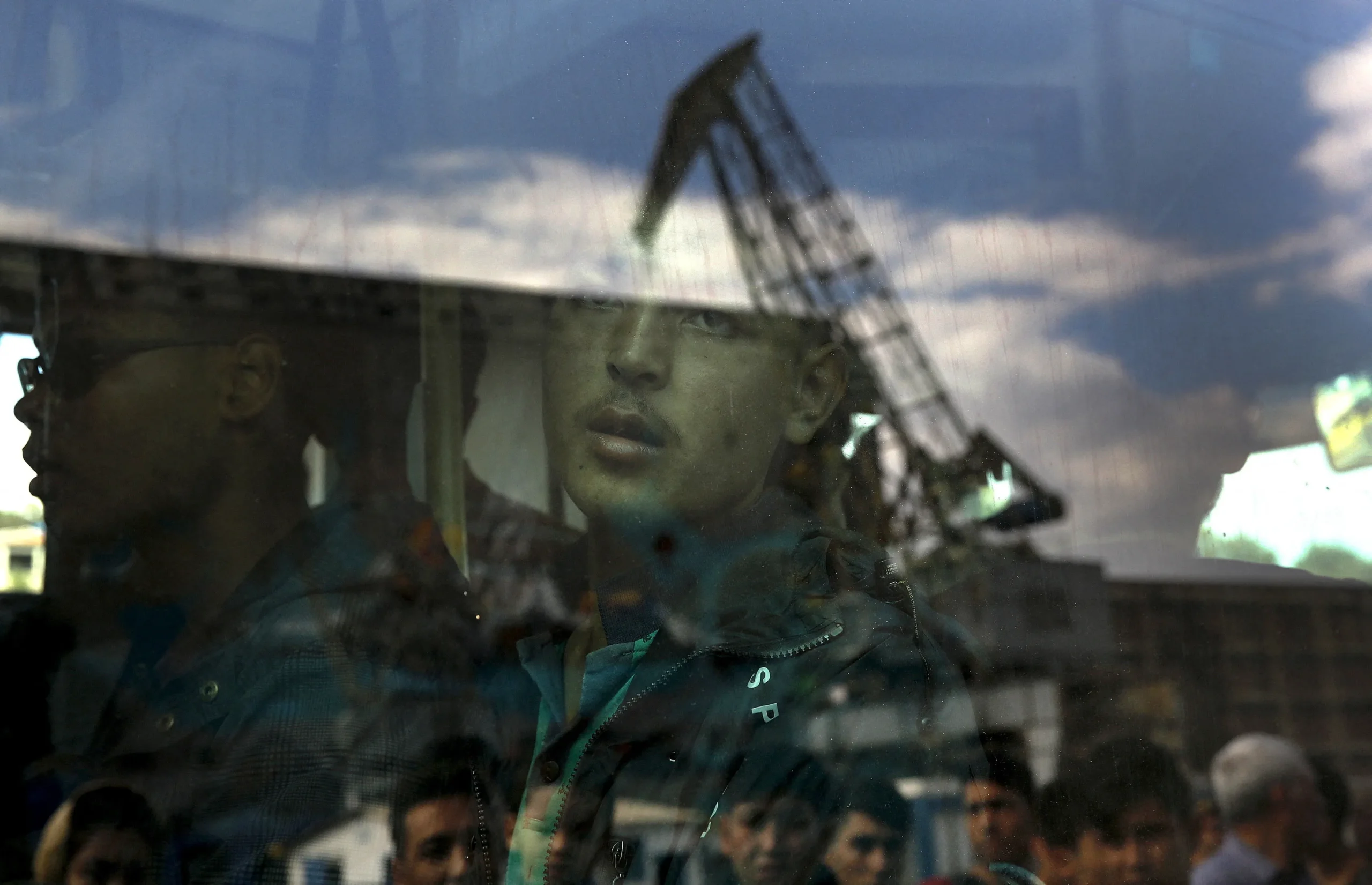
Altering Asylum Standards: Greece Reopens Cases for Syrians and Afghans Amid Return Pressures
Greek authorities have begun re-examining the asylum claims of individuals originally granted protection status from countries like Syria and Afghanistan. These actions suggest a significant shift in immigration policy, prompting concern among those who were previously sheltered in Greece. Individuals who had established lives, built careers, and formed families in Greece are now facing renewed scrutiny regarding their right to remain.
For many claimants, the process of rebuilding a life—through education, employment, and community integration—has marked a fragile period of stability. However, the reopening of these files indicates that Greece is revisiting the grounds upon which international protection was initially granted. This re-evaluation forces residents to rearticulate their reasons for seeking refuge, often when their initial claims were based on the conflict or instability that has since subsided in their home countries.
These policy changes are drawing attention to the precarious legal status of those reliant on international protection. Legal experts suggest that this tightening of criteria for specific nationalities reflects broader, potentially EU-influenced, pressures encouraging more voluntary repatriations. The policy appears to be narrowing the scope of who qualifies for long-term sanctuary, suggesting a move toward stricter adherence to return pathways for several groups.
Implications for Asylum Seekers
The immediate impact of these reopened cases is significant distress for those affected. For individuals like a Syrian national who settled and established a family in Greece following the civil war, the demand to justify their continued presence is emotionally and practically overwhelming. Beyond the personal toll, the legal ambiguity raises doubts about the credibility of safety assessments made by the authorities regarding these nations.
Skeptics point out that the conditions in both Syria and Afghanistan remain complex and concerning, despite any official indications of peace or stability. Reports indicate that localized violence persists, and geopolitical tensions remain high. Consequently, the push for returns is being viewed by many rights advocates as a potential deviation from established international protection norms, challenging the foundational commitment to safeguard those fleeing conflict.
Context of Policy Shift
The reassessment of asylum eligibility for Syrians and Afghans happens against a backdrop of global migration policy adjustments. Official statements suggest an increased emphasis on voluntary departures, creating an incentive for authorities to test the viability of return. This institutional focus on managing outflows appears to be tightening the overall framework of protection for these specific nationalities within the European bloc. The overall trend observed is one of fewer approvals and a higher rate of denials, signaling a palpable shift in the criteria required to maintain protected status.
About the Author




