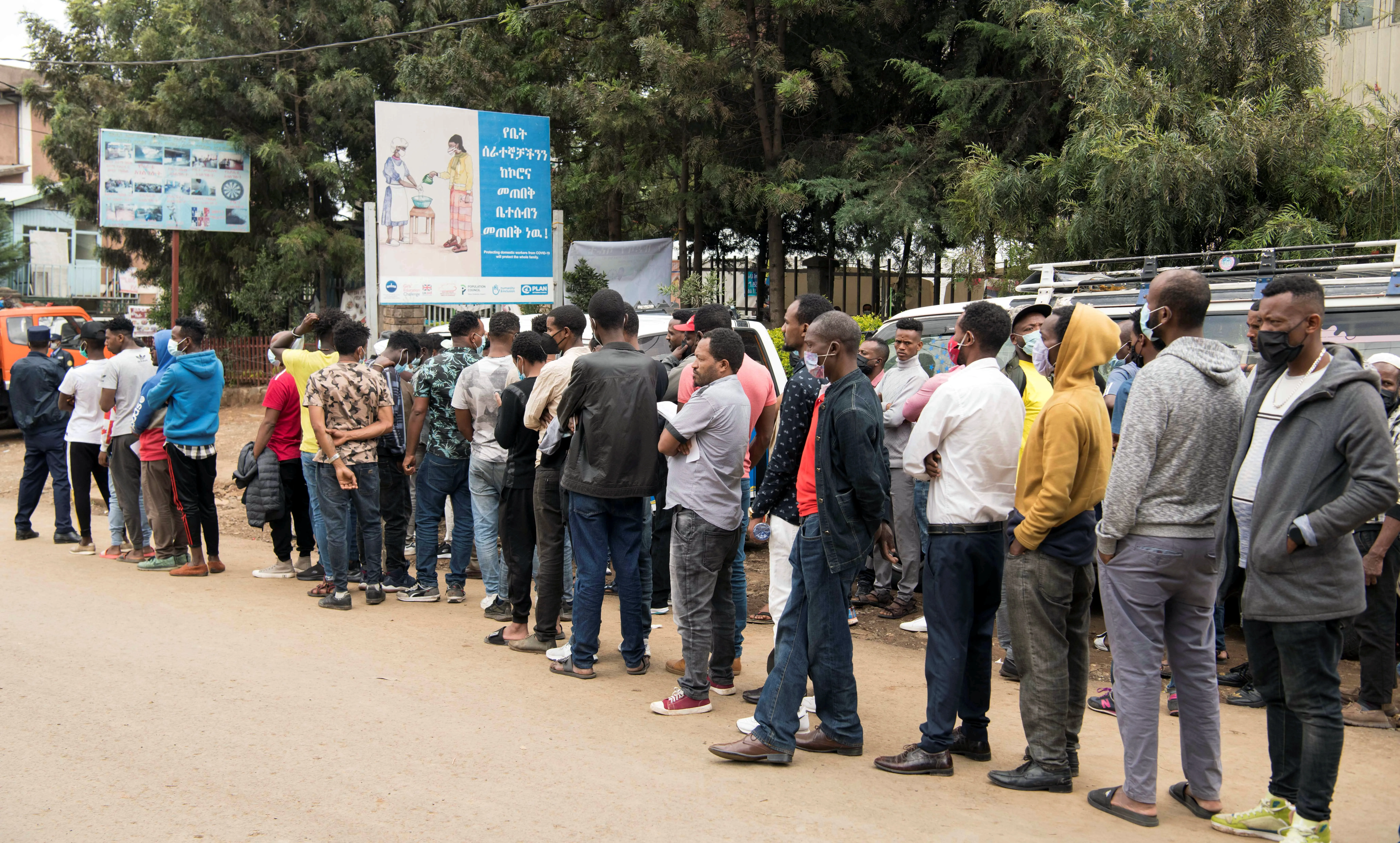
Ethiopia is currently at a critical juncture, attempting to conduct national elections while grappling with severe, persistent internal conflicts and documented patterns of human rights abuses. Despite the convening of a vote, international observers and human rights monitors are voicing substantial concern that the prevailing conditions do not support the principles of a truly free, fair, or credible electoral process. The country’s political journey has seen periods of immense hope, generating optimism across the populace for a transition toward a constitutional democracy, a sentiment that followed years of prolonged political unrest against previous regimes.
The early reforms implemented following the assumption of new leadership promised a marked shift in governance. These initial changes included the release of numerous political detainees, amendments to restrictive laws affecting media and civil society, and the normalization of diplomatic ties with neighboring nations. These advancements garnered considerable international praise and signaled a potential pivot toward stability and democratic norms. However, this initial wave of positive reform has been repeatedly overshadowed and challenged by escalating violence in various regions.
What This Means:
The juxtaposition of scheduled elections against a backdrop of active warfare in multiple fronts—including ongoing flare-ups between federal and regional forces—creates a volatile governance picture. The continued violence suggests that the underlying political tensions remain deeply unresolved. The failure to establish accountability for past and ongoing abuses severely undermines the faith required for a successful democratic transition. For the elections to hold any credibility, there must be demonstrable commitment from all sides to adherence to the rule of law and respect for human rights, a commitment that remains questionable given the reports from various conflict zones.
Background / Context:
The seeds of instability were sown through major clashes starting around 2020, which led to widespread loss of life and numerous reports of atrocities by state actors. Although a key peace agreement was reached in late 2022, bringing a temporary ceasefire to the most devastating conflict, localized tensions have re-emerged. Multiple regions have seen fresh outbreaks of conflict involving federal military elements and various opposition or militia groups. Reports detail specific instances of civilian casualties, executions, and systemic abuses occurring in areas like the Amhara region and within the Oromia region. Furthermore, the governing political structure has shown signs of retreating from earlier liberalizing measures, moving towards a consolidation of centralized, authoritative control. These elements—sporadic violence, documented abuses, and a tightening grip on political dissent—collectively paint a picture where electoral momentum is being critically challenged by humanitarian emergencies and unresolved political disputes.
About the Author




