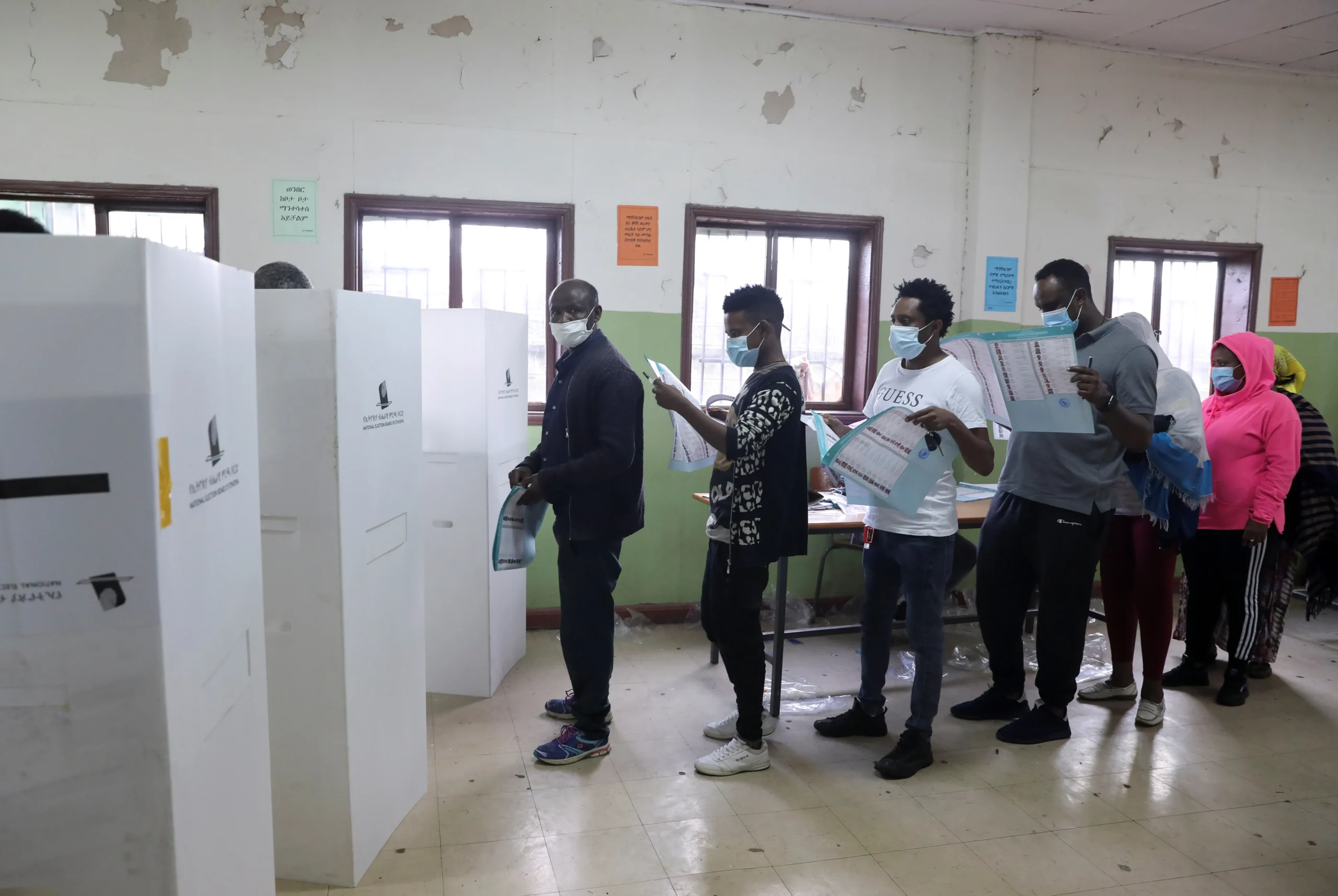
Ethiopia is preparing for a pivotal national vote, an event viewed by observers as more than a standard electoral exercise. With tens of millions of citizens set to cast their votes, the election represents a critical test case for a large, diverse, and rapidly evolving state attempting to solidify its democratic frameworks. The process is framed not simply as a change of leadership, but as a measure of the nation’s collective commitment to democratic principles in a complex global environment.
The electoral mechanics themselves are notable, differing from many regional models. Voters are not casting votes directly for a president; rather, the focus is on electing representatives to the national and regional parliaments. This structure, reminiscent of parliamentary systems, sees dozens of political entities competing across a vast pool of candidates. While the government’s recent performance has been highlighted by figures like robust economic expansion—with projected GDP growth rates surpassing ten percent—the electoral contest also carries the weight of unresolved societal pressures.
The anticipated election outcome is expected to be shaped by tangible signs of progress across the country. Visible urban development, advancements in critical infrastructure, and marked improvements in export earnings, particularly from agriculture and mining, all contribute to a narrative of sustained economic momentum. Furthermore, major national achievements, such as the completion of significant energy projects, bolster Ethiopia’s stature as a regional economic force, pointing toward continued momentum.
However, this backdrop of apparent growth is counterbalanced by persistent structural hurdles, namely unresolved economic and security concerns demanding continuous governmental attention. The opposition landscape presents its own complexity; numerous groups remain fragmented along ethnic and ideological lines. In a system where the plurality of votes often determines success, this division risks undermining collective opposition strength. In a sign of promoting broader participation, the ruling party has reportedly created openings by not fielding candidates in certain races, fostering a more multi-faceted parliamentary arena.
The significance of this vote extends beyond the political parties involved. It mirrors global trends where even mature democracies struggle with issues like intense polarization and the spread of misinformation. In Ethiopia’s case, these international pressures interact with deep-seated historical divisions. Nevertheless, efforts toward inclusivity are evident, with expectations that the political agreements following the vote will continue the pattern of integrating opposition voices into executive functions, signaling an ongoing institutional effort to build a more comprehensive political culture.
About the Author




