Japan’s Road to Glory: Analyzing Squad Strength for World Cup 2026
Japan enters the 2026 FIFA World Cup boasting a squad that represents a significant leap forward for the nation’s footballing history. While they have achieved impressive recent victories against top-tier nations such as Germany, Brazil, England, and Spain since 2022, the question remains whether their current elite lineup can maintain peak performance across the grueling schedule of a major global tournament. Despite past limitations, the collective talent of the players available today marks a substantial high point for the national team.
The team’s recent form has been notably impressive, highlighted by key victories in international friendlies against highly regarded opponents. These results suggest that the squad possesses the capability to perform on their best day against any opposition. However, the challenge for the coaching staff will be transitioning this strong, localized momentum into consistent, tournament-wide success while managing the workload of such a deep, professional group of athletes.
The Impact of Elite Personnel
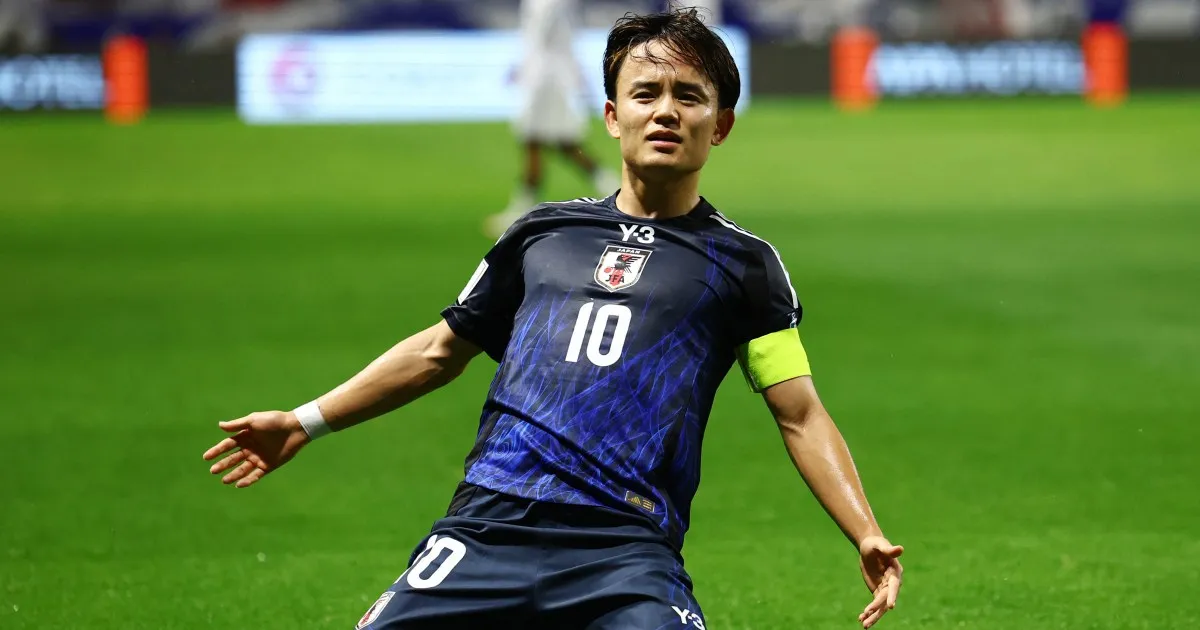
The squad’s composition is bolstered by players operating at an international, often European, level, fundamentally changing the perception of the national side. This elevated quality means Japan is no longer seen as a wildcard contender but rather as a serious, established force on the global stage. The depth and quality provided by key players are viewed as central to any sustained title challenge. Furthermore, the emergence of talent like right-winger Takefusa Kubo is noted as a crucial element capable of filling potential voids left by unavailable key members.
The fixture schedule leading up to the tournament provides a final proving ground, pitting the squad against varied opposition from June to late June. These matches are essential for building rhythm and tactical cohesion, giving the team an opportunity to test their synergy under competitive, international match conditions before the main event.
Historical Context and Future Outlook
In terms of historical context, Japan has a rich but challenging lineage in World Cups, reaching the knockout stages multiple times. While they have faced setbacks, the modern roster possesses resources and individual skill levels not seen in previous generations. This generation of players represents the culmination of decades of development within Japanese football.
While the path to championship glory is inherently difficult, the combination of recent match-winning performances and the sheer caliber of the current playing pool suggests a confident and ambitious outlook for the 2026 tournament. The focus for the coming months will be on capitalizing on the established strong foundations to realize championship potential.
About the Author