Diplomatic Efforts Intensify Amid Tensions Between the United States and Iran
Negotiations between the United States and Iran appear to be progressing through intense, mediated discussions. Sources covering the diplomatic arena suggest that both nations are actively exchanging initial drafts of proposals, signaling a concerted effort to construct a formal, mutually acceptable agreement. This exchange indicates a move toward tangible diplomatic resolutions following sustained periods of high tension.
International mediators, including those from Pakistan, have reportedly been deeply involved in facilitating these talks, guiding the respective parties toward common ground. The optimism surrounding these discussions was highlighted by officials who indicated observing positive indicators suggesting a potential breakthrough. However, the process remains characterized by stark differences in stance, with continued diplomatic pressure being exerted across various fronts.
The Significance of Ongoing Dialogue
The persistent diplomatic engagement underscores a global push to de-escalate regional hostilities. The exchange of draft frameworks suggests that stakeholders are moving beyond mere dialogue to the practical steps of treaty drafting. The viability of these discussions hinges on resolving deep-seated disputes regarding regional stability and international norms. Any breakthrough would signify a major recalibration of geopolitical dynamics in the Middle East, potentially reshaping alliances and security postures for years to come.
Contextual Geopolitical Flashpoints
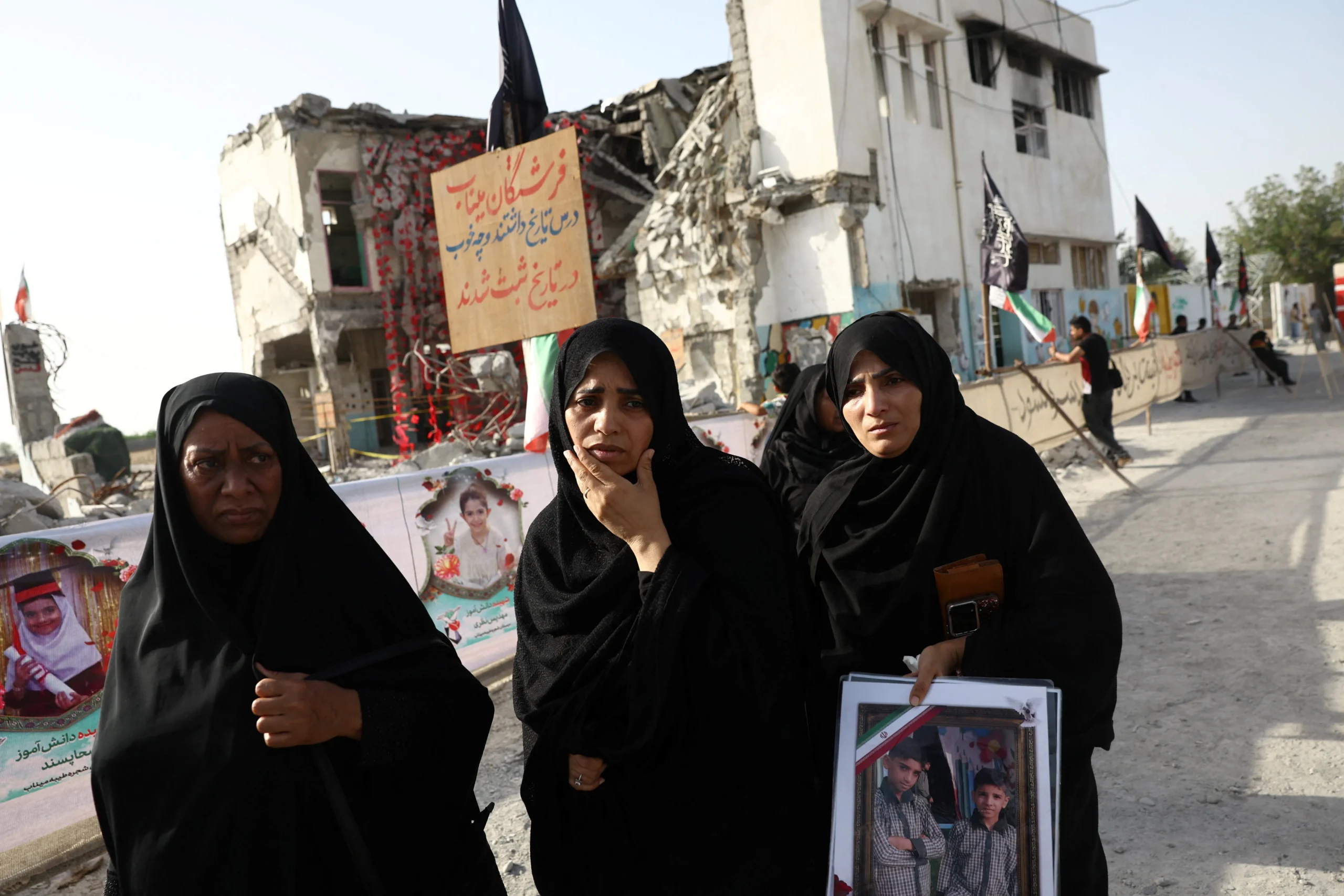
Beyond the bilateral talks, other significant regional issues are drawing international attention. Reports have surfaced detailing accusations from Iran regarding attacks on its medical infrastructure, labeling such actions as violations of international humanitarian law. Simultaneously, international envoys are continuing to raise alarms regarding humanitarian crises, specifically pointing to severe blockades and ongoing instability affecting civilian populations. This confluence of high-stakes diplomatic negotiation alongside grave humanitarian concerns defines the current volatile landscape.
The underlying tension between global powers continues to be managed under a backdrop of military preparedness. Major naval and air assets in the region have reportedly maintained high levels of readiness, reflecting the ongoing strategic rivalry and the perceived need to safeguard international interests amidst the complex mediation efforts.
About the Author




